LANGUAGE
 中文简体
 русский
 Français
 Español
 Português
 عربى

Content
- 1 1. The Role of Extrusion in Cable Manufacturing
- 2 2. Product Overview and Core Technical Positioning
- 3 3. PP, PVC, and PE Processing Flexibility
- 4 4. Efficiency Advantages Compared with Conventional Extruders
- 5 5. High-Output Performance for Industrial Cable Production
- 6 6. Mechanical Design and Transmission Reliability
- 7 7. Precision Plasticization and Melt Quality
- 8 8. Intelligent Power Regulation and Process Control
- 9 9. Manufacturing Strengths and Engineering Capability
- 10 10. Application Areas
- 11 11. Integration into a Complete Cable Production Line
- 12 12. Quality, Standards, and Verification
- 13 13. Maintenance and Long-Term Operating Value
- 14 14. How the Machine Compares with Conventional Models
- 15 15. Recommended Evaluation Process for Buyers
- 16 16. Frequently Asked Questions
- 16.1 Q1: What materials can this cable extruder process?
- 16.2 Q2: What is the maximum stated output?
- 16.3 Q3: How does the machine help reduce material costs?
- 16.4 Q4: Can the extruder switch between PP and PVC?
- 16.5 Q5: Why is a hardened helical gear reducer important?
- 16.6 Q6: What is the purpose of precision plasticization?
- 16.7 Q7: Does the machine include a complete cable production line?
- 16.8 Q8: What standards are referenced for the product?
- 16.9 Q9: Is the machine suitable for manufacturers with multiple cable products?
- 16.10 Q10: What should be confirmed before ordering?
- 17 17. Conclusion
- 18 References
- 19 Product: High-Efficiency PP PVC PE Cable Extruder
Modern wire and cable manufacturers are under constant pressure to improve output, reduce material waste, control energy consumption, and maintain consistent insulation and jacket quality. These requirements become even more demanding when a production facility must process several different thermoplastic materials on the same line. Polypropylene (PP), polyvinyl chloride (PVC), and polyethylene (PE) each have different melting behavior, flow characteristics, thermal requirements, and processing demands. A cable extrusion machine designed for only one material may struggle when production schedules change.
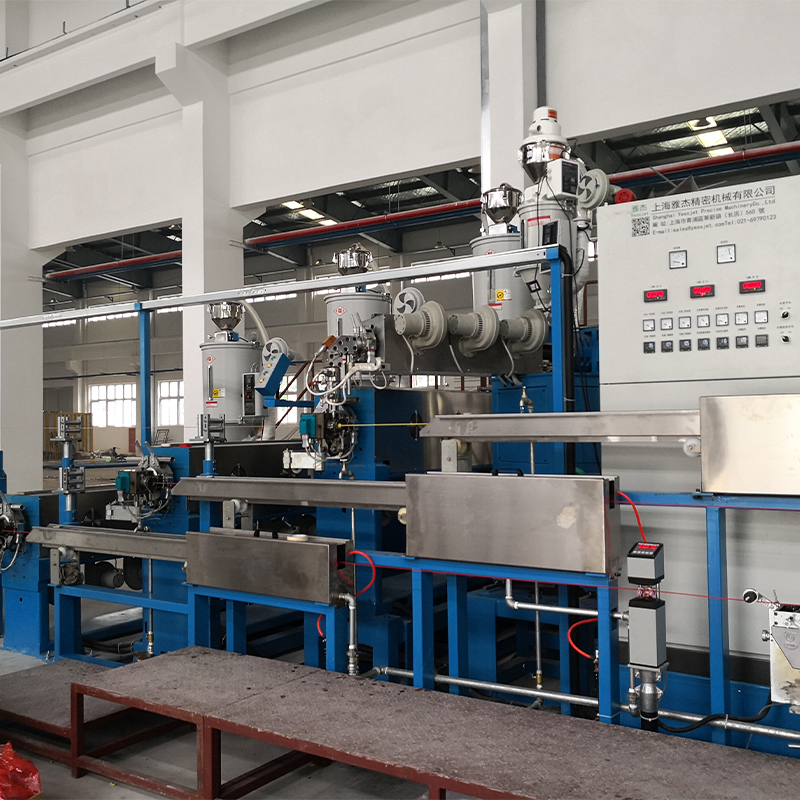
The High-Efficiency PP PVC PE Cable Extruder is developed as a multifunctional core machine for cable insulation and sheathing operations. It is designed to process PP, PVC, and PE materials while supporting stable, high-yield extrusion for a wide range of cable manufacturing applications. With advanced torque transmission, precision plasticization, intelligent power regulation, and a hardened helical gear reducer, the machine is positioned as an efficient solution for manufacturers seeking dependable multi-material production.
According to the supplied product specifications, the extruder can achieve a maximum output of up to 240 kilograms per hour for large-caliber cable applications. Its material utilization can be improved by 15 percent compared with conventional models, helping reduce raw material consumption and production costs. The machine is also described as compliant with IEC 60228 and ASTM D2240 requirements, supporting manufacturers that need a more structured approach to cable quality and process control.
This article examines the machine’s working role, principal design advantages, material-processing capabilities, manufacturing strengths, quality considerations, application value, and selection criteria. It also explains why a modern extrusion system should be evaluated not only by its nominal output, but by its ability to deliver stable performance, efficient material use, operational flexibility, and reliable integration into a complete cable production line.
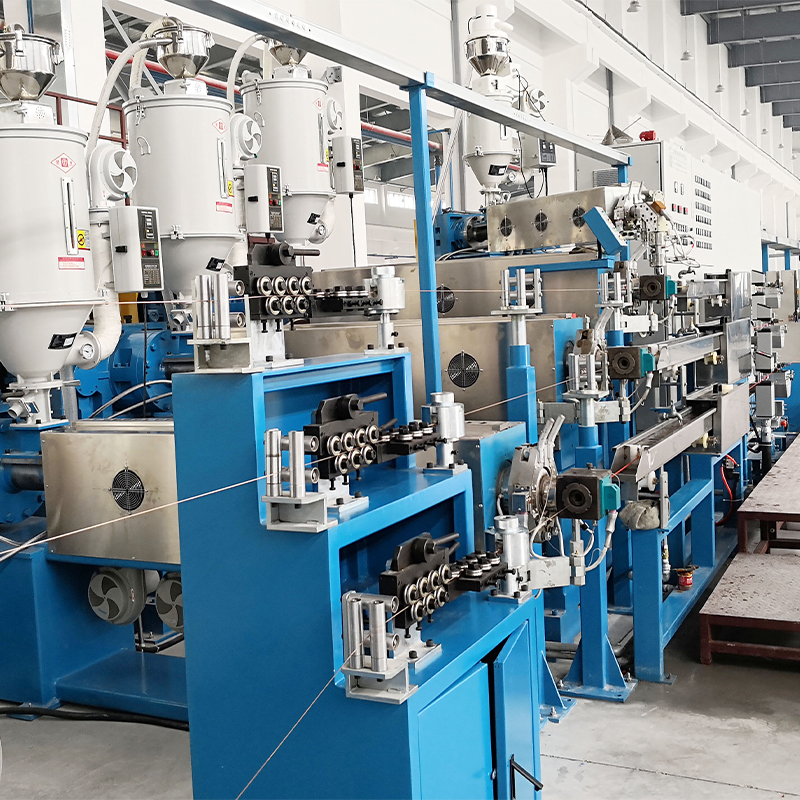
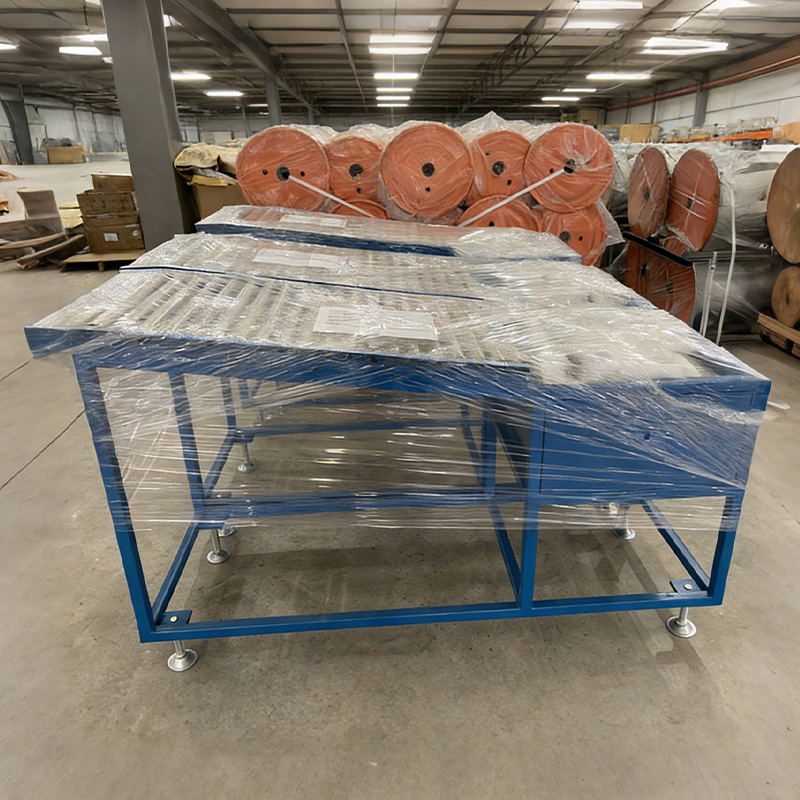
High-Efficiency PP PVC PE Cable Extruder
1. The Role of Extrusion in Cable Manufacturing
Cable extrusion is the process through which a thermoplastic material is melted, homogenized, shaped, and applied around a conductor or cable core. The resulting insulation or outer jacket protects the conductive element from mechanical damage, moisture, electrical contact, chemicals, abrasion, and environmental exposure. The quality of the extrusion process directly influences cable diameter, insulation thickness, surface appearance, dimensional stability, electrical performance, and service life.
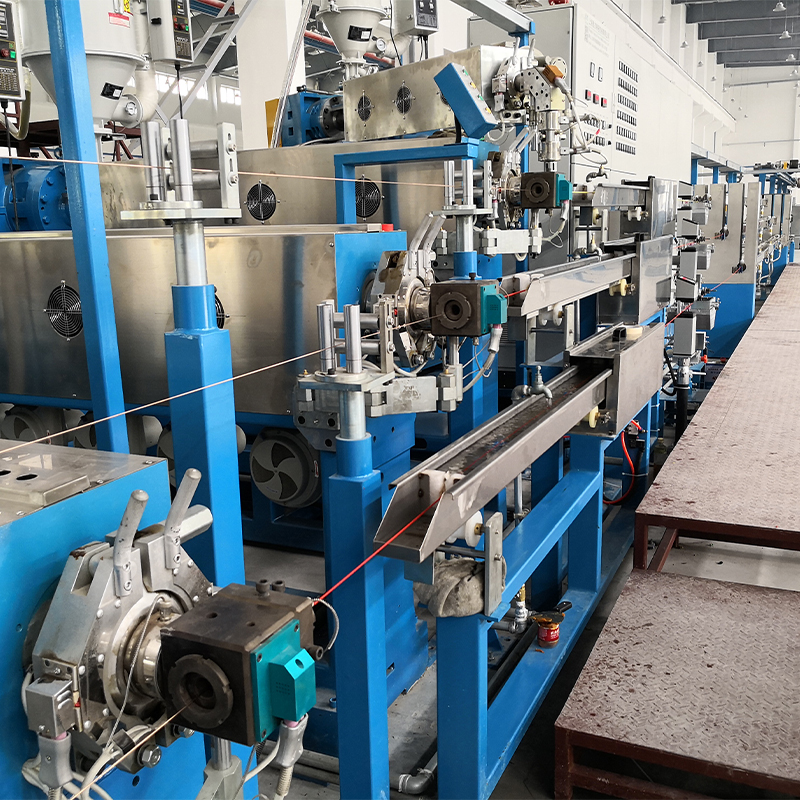
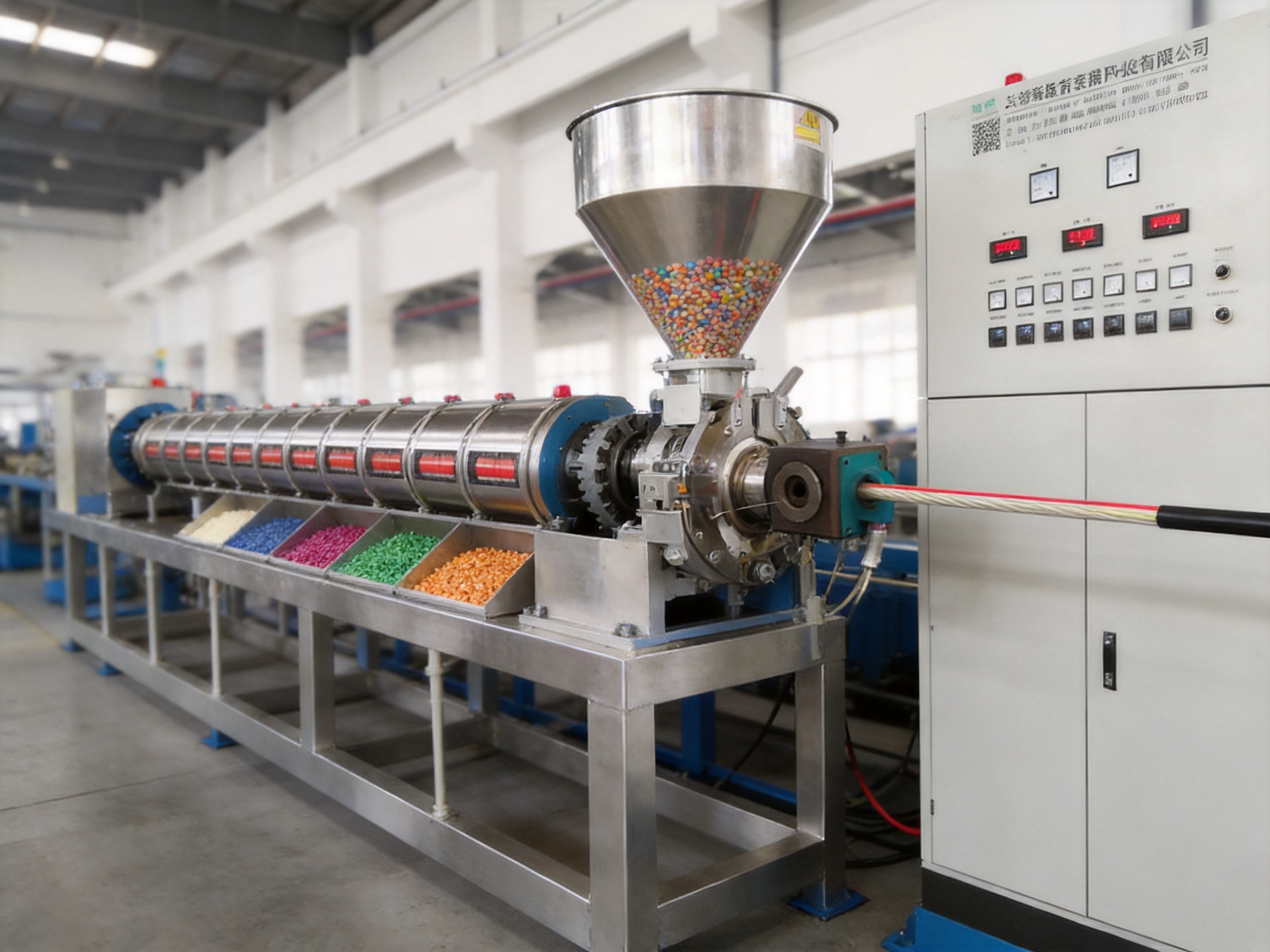
A typical extrusion process begins with the preparation of polymer pellets or compound. The material is fed into a heated barrel, where a rotating screw conveys it through several temperature zones. As the material travels forward, it is gradually heated, compressed, mixed, and plasticized. The homogeneous melt then passes through a screen pack, breaker plate, crosshead, and die. In cable production, the crosshead applies the molten polymer concentrically around the conductor or cable core.
After leaving the die, the insulated or jacketed cable enters a cooling system. Water cooling or other controlled cooling methods stabilize the polymer layer and help maintain the required diameter. The cable is then measured, pulled, collected, coiled, or transferred to a downstream take-up system. Every stage must work together. A high-output extruder cannot deliver a high-quality product if the feeding, temperature control, crosshead, cooling, or take-up systems are poorly matched.
For this reason, the extruder serves as more than a heating and conveying device. It is the central process engine of the line. Its torque capacity affects conveying stability. Its screw and barrel design influence plasticization quality. Its reducer affects mechanical reliability. Its temperature control determines whether the polymer is processed within a suitable thermal range. Its control system influences the operator’s ability to respond to changes in material, cable size, and production speed.
The High-Efficiency PP PVC PE Cable Extruder is designed around this integrated view of cable manufacturing. Rather than focusing only on maximum screw speed, the machine combines mechanical transmission, plasticization, power management, and multi-material adaptability. This approach is particularly valuable for cable factories that need to handle varied customer orders without installing a separate extruder for every polymer family.
2. Product Overview and Core Technical Positioning
The High-Efficiency PP PVC PE Cable Extruder is intended for insulation and jacket extrusion in wire and cable production. Its stated material compatibility includes PP, PVC, and PE, covering several of the most widely used thermoplastic materials in cable manufacturing. Depending on the formulation and application, these materials may be used for electrical insulation, protective sheathing, communication cables, control cables, power cables, and other specialized products.
The product’s central value is its combination of multi-material capability and high production efficiency. Traditional extrusion equipment may be optimized for a particular material or a narrow range of operating conditions. When the same equipment is used for different polymers, operators can encounter inconsistent melt pressure, unstable output, longer changeover times, or unnecessary scrap during adjustment. A machine designed with material flexibility in mind can reduce these difficulties and improve equipment utilization.
The machine incorporates an advanced torque transmission system and a hardened helical gear reducer. Torque transmission is important because the screw must maintain steady rotation under changing material loads and pressure conditions. A reducer with hardened helical gears is intended to provide efficient power transfer, resistance to wear, and stable operation during extended production periods. These characteristics are especially useful when processing high-viscosity compounds or operating at elevated throughput.
Precision plasticization is another important feature. Plasticization refers to the controlled transformation of solid polymer pellets into a uniform melt. Incomplete melting, poor mixing, excessive shear, or uneven temperature distribution can produce surface defects, weak insulation, dimensional variation, and unstable extrusion pressure. A precision plasticization system helps create a more consistent melt before the material reaches the crosshead.
The machine also uses intelligent power regulation. Instead of operating with a fixed power demand regardless of production conditions, an intelligent power system can adjust machine operation according to load, speed, heating requirements, and process status. This supports more efficient energy use and may help maintain stable operation when the production line changes speed or when the material transitions between different processing behaviors.
With a stated maximum output of 240 kilograms per hour for large-caliber cables, the extruder is suitable for manufacturers that require meaningful production capacity. Actual output will depend on material formulation, cable diameter, insulation or jacket thickness, screw configuration, die design, cooling conditions, line speed, and quality requirements. Nevertheless, the stated capacity indicates that the equipment is intended for industrial production rather than small-scale laboratory or sample use.
Key Product Characteristics
| Item | Specification or Benefit | Production Significance |
|---|---|---|
| Compatible materials | PP, PVC, and PE | Supports multi-material cable insulation and jacketing |
| Maximum stated output | Up to 240 kg/h for large-caliber cables | Suitable for high-yield industrial production |
| Material utilization | Up to 15% improvement compared with conventional models | Helps reduce material waste and raw material cost |
| Transmission system | Advanced torque transmission with hardened helical gear reducer | Supports stable conveying and long-term mechanical operation |
| Plasticization | Precision plasticization system | Promotes melt uniformity and dimensional consistency |
| Power management | Intelligent power regulation | Improves energy management during changing production conditions |
| Standards reference | IEC 60228 and ASTM D2240 | Supports structured quality and performance evaluation |
3. PP, PVC, and PE Processing Flexibility
One of the most important advantages of this cable extruder is its ability to support three distinct thermoplastic material families. PP, PVC, and PE are not interchangeable in their processing behavior. A successful multi-material extrusion system must accommodate differences in crystallinity, melt viscosity, thermal sensitivity, cooling behavior, and final performance.
Processing Polypropylene
Polypropylene is a crystalline thermoplastic known for its low density, chemical resistance, and useful electrical properties. Its crystalline structure affects how it melts, flows, and solidifies. Processing conditions must be controlled carefully to obtain a stable melt and consistent cable dimensions. If the thermal profile is poorly matched, the material may experience incomplete melting, excessive degradation, unstable pressure, or uneven surface finish.
The extruder’s torque transmission and precision plasticization features are relevant when processing PP because the machine must maintain controlled conveying and mixing through the barrel. Consistent residence conditions help reduce variations in the melt before it enters the cable crosshead. Intelligent power regulation can also assist in managing changing load conditions associated with material flow and production speed.
For PP insulation or jacketing, manufacturers should still determine the correct screw configuration, temperature profile, die dimensions, cooling conditions, and line speed for the specific compound. The machine provides a processing platform, but final results depend on the relationship between equipment settings and the selected PP formulation.
Processing Polyvinyl Chloride
PVC is widely used in cable production because it can offer a balance of insulation performance, flexibility, flame behavior, mechanical protection, and cost. However, PVC is an amorphous material with processing requirements that differ significantly from those of crystalline PP. It can be sensitive to excessive heat and excessive residence time, especially when compound stabilization and formulation are not properly controlled.
A cable extruder for PVC must provide accurate temperature management, stable screw rotation, effective melt homogenization, and reliable pressure control. The equipment should also support clean and repeatable transitions between production orders. The High-Efficiency PP PVC PE Cable Extruder is designed to remain stable when switching between the crystalline structure of PP and the amorphous properties of PVC. This multi-material stability is a significant advantage for factories that need to process both materials on one production platform.
In practical production, operators should establish separate process recipes for each PVC formulation. These recipes may include barrel-zone temperatures, screw speed, line speed, cooling-water temperature, crosshead settings, and startup procedures. The ability to store or reproduce stable settings can reduce setup time and help minimize scrap when changing from one product specification to another.
Processing Polyethylene
PE is used in many cable applications because of its electrical insulation performance, moisture resistance, chemical resistance, and flexible processing range. Different PE grades can have substantially different melt flow behavior and density. High-density, low-density, and specialized cable compounds may require different extrusion conditions.
The extruder’s controlled plasticization and torque transmission systems help provide the mechanical foundation for processing PE compounds. A uniform melt is essential for producing a smooth, concentric layer around the conductor. If the melt is unstable, the cable may show variations in wall thickness, surface roughness, diameter, or insulation integrity.
Processing flexibility should not be understood as a reason to use one universal setting for all PE compounds. Instead, the equipment gives the manufacturer the capability to establish appropriate conditions for each grade while using the same core extruder. This can simplify equipment planning and reduce the need for multiple dedicated production machines.
4. Efficiency Advantages Compared with Conventional Extruders
The stated 15 percent improvement in material utilization is one of the product’s strongest economic advantages. In cable manufacturing, raw material often represents a substantial portion of total production cost. Even a small reduction in waste can produce meaningful savings when a factory processes large quantities of polymer every day.
Material utilization depends on several factors, including startup scrap, shutdown scrap, dimensional stability, concentricity, process fluctuation, over-extrusion, and rejected cable. A machine that maintains stable output can help operators run closer to the target insulation or jacket thickness. When the actual polymer layer is consistently close to specification, manufacturers do not need to add excessive material as a safety margin.
The extruder’s precision plasticization system supports this objective by helping produce a homogeneous melt. A stable melt can contribute to more consistent pressure at the die and more uniform coating around the conductor. When combined with accurate crosshead adjustment and reliable downstream cooling, this may reduce the tendency to overcompensate with additional polymer.
Energy efficiency is another important consideration. Intelligent power regulation is intended to match power consumption more closely to actual operating requirements. Heating zones, drive systems, and auxiliary equipment consume energy throughout the production cycle. A system that manages power more intelligently can help limit unnecessary consumption during stable operation, speed changes, or partial-load conditions.
The hardened helical gear reducer contributes to mechanical efficiency and operational durability. Gear transmission losses, vibration, and wear can influence both energy consumption and maintenance requirements. A well-designed reducer supports smoother screw drive operation, which is important for stable extrusion and consistent production over long working periods.
The machine’s multi-material design can also improve efficiency at the factory level. If one extruder can process PP, PVC, and PE, a manufacturer may be able to schedule a broader range of products without moving every order to a different line. This can improve equipment utilization, reduce idle capacity, and simplify production planning. The value is especially clear for custom cable producers and contract manufacturers handling frequent product changes.
Efficiency Benefits at Different Production Stages
| Production Stage | Potential Efficiency Contribution | Expected Operational Result |
|---|---|---|
| Material feeding | Stable conveying and controlled loading | More consistent feed rate and fewer interruptions |
| Plasticization | Uniform melting and mixing | Improved melt stability and surface quality |
| Extrusion | Stable torque and pressure control | More consistent insulation or jacket thickness |
| Material changeover | Multi-material processing capability | Greater flexibility for mixed production schedules |
| Startup and adjustment | Repeatable process conditions | Reduced setup scrap and shorter stabilization time |
| Continuous operation | Hardened gear transmission and power regulation | Reliable operation and better energy management |
5. High-Output Performance for Industrial Cable Production
The stated maximum output of 240 kilograms per hour positions this extruder for demanding industrial applications. High output is important for manufacturers that need to produce long cable runs, large-caliber cables, or substantial volumes of insulation and jacket material within a defined production schedule.
However, high output must be considered together with product quality. Increasing the feed rate without maintaining sufficient melting, mixing, pressure stability, and cooling can lead to defects. An industrial extruder must therefore provide both throughput and control. The High-Efficiency PP PVC PE Cable Extruder is designed to combine production capacity with a precision plasticization system and stable drive arrangement.
Large-caliber cables require a high and consistent volume of polymer. The crosshead must distribute the melt evenly around the core, while the cooling system must remove heat without creating excessive shrinkage or deformation. Any fluctuation in melt pressure may become visible as changes in diameter or eccentricity. Stable screw torque and a properly selected die are therefore essential.
Actual performance should always be confirmed through a technical evaluation using the customer’s specific conductor size, polymer compound, insulation thickness, jacket thickness, and target line speed. A responsible equipment selection process should include material trials, output verification, dimensional measurement, surface inspection, and, where required, electrical and mechanical testing.
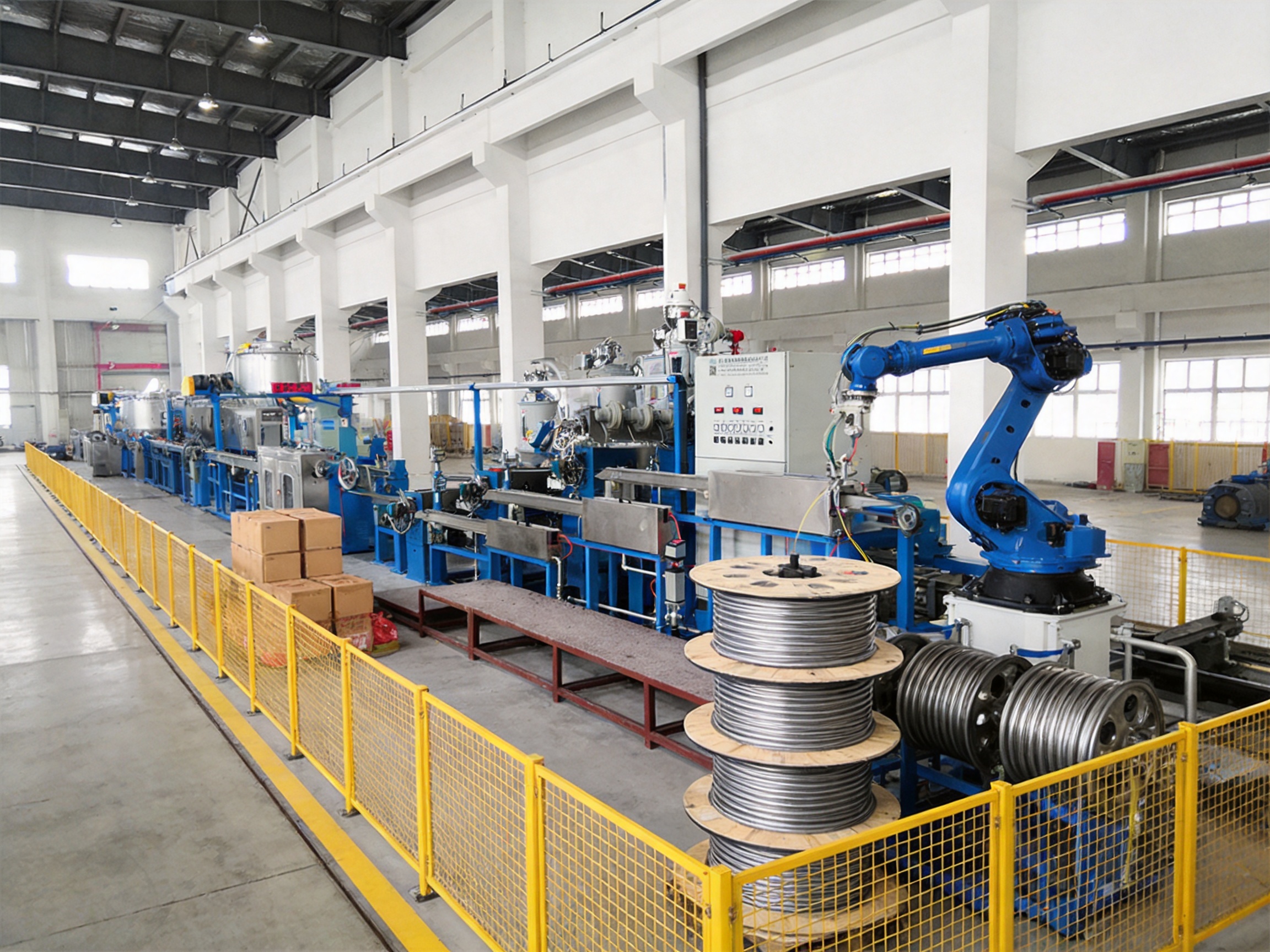
For manufacturers expanding capacity, the machine can serve as a central extrusion unit within a broader turnkey cable production line. It may be connected with motorized pay-off equipment, cooling systems, spark testers, diameter control devices, motorized take-up equipment, coiling machines, packaging systems, and intelligent robot stackers. This allows the extruder to operate as part of a coordinated workflow rather than as an isolated machine.
6. Mechanical Design and Transmission Reliability
The transmission system is a fundamental part of an extrusion machine. The screw must rotate with sufficient torque to convey and compress polymer consistently. If the drive system experiences excessive vibration, backlash, overheating, or wear, extrusion quality may decline and maintenance costs may increase.
The use of a hardened helical gear reducer is intended to improve the durability and efficiency of the mechanical drive. Helical gears generally provide smooth engagement and continuous tooth contact, while hardening improves resistance to wear under load. These characteristics are valuable in applications involving long operating hours, high material throughput, and repeated production cycles.
Stable torque transmission also supports process consistency during material changes. PP, PVC, and PE may place different demands on the screw. A drive system that maintains steady torque helps prevent sudden speed drops or unstable conveying when the material load changes. This contributes to more predictable melt pressure and reduces the likelihood of irregular extrusion.
Mechanical reliability is not limited to the reducer. It also depends on screw and barrel alignment, bearing quality, coupling design, cooling and lubrication arrangements, frame rigidity, and assembly accuracy. Advanced manufacturing practices should address the complete transmission path so that the machine can operate smoothly under continuous load.
For the user, reliable mechanical design offers several practical benefits. It can reduce unplanned stoppages, protect production schedules, simplify preventive maintenance, and extend the useful service period of major components. It may also support more stable product quality because the screw speed and conveying behavior remain consistent throughout the production run.
7. Precision Plasticization and Melt Quality
Plasticization quality is one of the clearest differences between a basic extruder and a high-performance cable extruder. The polymer must be heated gradually and mixed sufficiently to form a uniform melt. If the material contains unmelted particles or poorly dispersed additives, the cable may suffer from weak points, surface defects, inconsistent color, poor insulation properties, or reduced mechanical performance.
A precision plasticization system typically depends on the coordinated design of the screw geometry, barrel heating zones, cooling arrangements, compression ratio, feed section, metering section, and screen assembly. These elements determine how efficiently the machine transfers heat and mechanical energy into the polymer.
For cable production, melt uniformity is particularly important because the polymer layer is often relatively thin compared with the overall cable length. Small variations can continue over many meters of product. A stable melt helps the crosshead produce a consistent layer around the conductor, reducing the risk of local thin spots or excessive thickness.
Precision plasticization also supports the processing of different material types. PP may require effective melting and controlled crystallization behavior. PVC requires attention to thermal stability and residence time. PE requires consistent melt flow and cooling control. A flexible extruder must allow the operator to adjust conditions while maintaining a dependable foundation for all three material groups.
The result is not only improved appearance. Uniform plasticization can contribute to better electrical insulation, more predictable mechanical strength, improved adhesion where applicable, and more stable downstream handling. These benefits must be validated through production testing, but they begin with the quality of the melt leaving the screw.
8. Intelligent Power Regulation and Process Control
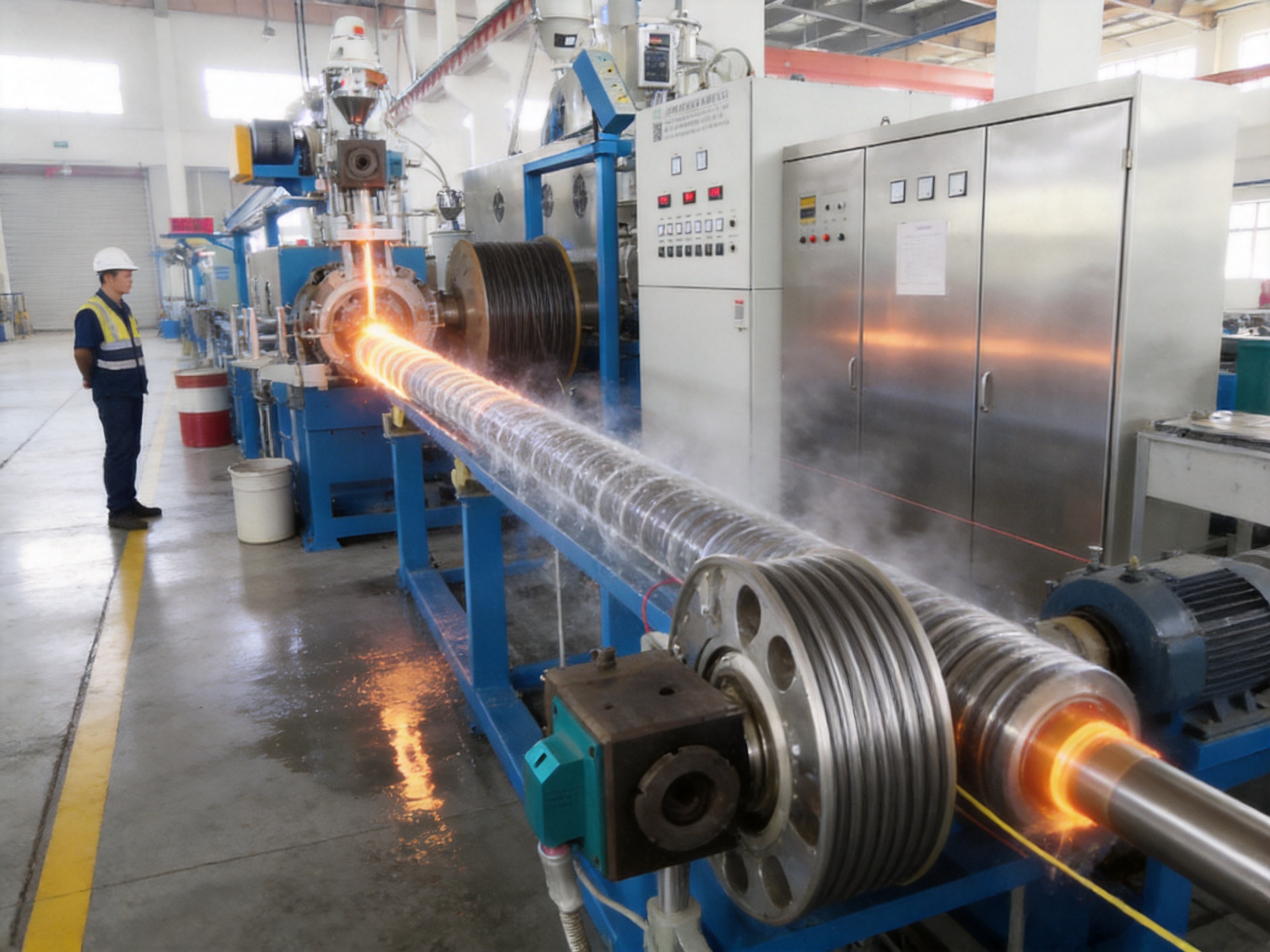
Power management has a direct influence on operating cost and process stability. In an extrusion line, energy is consumed by the main motor, barrel heaters, cooling systems, auxiliary drives, and control equipment. The actual demand changes during startup, material loading, speed adjustment, steady-state production, and shutdown.
Intelligent power regulation is designed to respond to these changing conditions. By coordinating power delivery with machine load and process requirements, the system can avoid operating every component at a fixed maximum level. This supports a more balanced use of energy and may reduce unnecessary heating or drive demand.
Process control also helps operators manage the differences between PP, PVC, and PE. Each material should be processed using an appropriate temperature profile, screw speed, feed rate, pressure range, and line speed. A controlled system gives operators a better basis for recording, repeating, and refining these conditions.
Repeatability is particularly valuable in multi-order production. Cable factories may produce several specifications in a single shift, with each order requiring different cable dimensions or polymer compounds. A repeatable control strategy can reduce dependence on trial-and-error adjustment. This can lower startup waste and help new operators follow established production recipes.
Although automation cannot replace skilled process management, it can make production decisions more visible and consistent. Operators can monitor key values, compare current operation with target values, and respond more quickly to abnormal conditions. For manufacturers focused on long-term efficiency, this combination of machine capability and disciplined process control is more valuable than high speed alone.
9. Manufacturing Strengths and Engineering Capability
The product is offered by Shanghai Yessjet Precise Machinery Co., Ltd., a Chinese manufacturer focused on wire and cable machinery and turnkey cable production solutions. The supplied company information identifies a production and business address in Yixing City, Jiangsu Province, China, while the company name includes Shanghai. This industrial region is associated with machinery manufacturing, electrical equipment, and industrial supply chains, providing access to engineering resources and component support.
The company’s stated product range extends beyond a single extruder. It includes wire and cable extrusion lines, fully automatic coiling and packaging equipment, intelligent robot stackers, coiling machines, motorized pay-off equipment, motorized take-up equipment, accessory equipment, and cable extrusion machines. This broad range is important because cable production performance depends on the interaction of multiple machines.
A manufacturer that can supply both the extrusion core and related line equipment can help customers plan a more coordinated production system. Pay-off, take-up, coiling, packaging, and stacking functions must match the speed, tension, product diameter, and handling requirements of the extrusion line. Incompatible equipment can create bottlenecks even when the extruder itself is capable of high output.
The company’s turnkey orientation also supports a more complete project approach. Instead of purchasing unrelated machines from several suppliers, a customer may work with one equipment partner to define the production route, select suitable auxiliaries, coordinate interfaces, and establish a unified operating concept. This can simplify communication during equipment selection, installation, commissioning, and service.
Advanced Manufacturing Processes That Matter
Advanced machinery manufacturing begins with engineering design. The extruder must be designed around the required cable materials, output range, screw performance, torque demand, temperature control, crosshead compatibility, and downstream line speed. Proper design reduces the risk of choosing components that are individually adequate but poorly matched as a complete system.
Component machining is another important process. Screw and barrel accuracy, reducer assembly, coupling alignment, frame fabrication, and heating-zone installation all influence final machine performance. Dimensional accuracy and alignment help reduce vibration and ensure that the drive system transfers power efficiently.
Assembly quality is equally significant. Electrical wiring, sensor installation, control cabinet organization, heater connections, motor integration, safety devices, and operator interfaces must be completed carefully. A well-assembled machine is easier to commission, maintain, and troubleshoot.
Factory testing should include no-load checks, drive operation, temperature-zone verification, control response, emergency-stop testing, and, where practical, material extrusion trials. For a multi-material machine, testing should reflect the intended application as closely as possible. Customers benefit when key operating conditions are verified before shipment rather than discovered only during installation.
These manufacturing practices support the product’s main selling points: stable transmission, precise plasticization, intelligent regulation, multi-material compatibility, and industrial output. The machine’s performance is therefore the result of coordinated engineering rather than one isolated feature.
10. Application Areas
The High-Efficiency PP PVC PE Cable Extruder can support a variety of wire and cable applications. Its most direct role is the extrusion of insulation layers and protective jackets. Depending on the selected material, compound, crosshead, and line configuration, it may be used for power cables, control cables, communication cables, building wires, industrial cables, and other thermoplastic-insulated products.
For building wire manufacturers, PVC processing capability can support common insulation and sheath applications. The production line must maintain stable dimensions, smooth surface quality, and reliable electrical performance. Accurate extrusion is especially important when cable is supplied in long continuous lengths.
For communication and data-related cable applications, PE may be selected for its electrical and moisture-resistance characteristics. The equipment must be operated with suitable compound and die conditions to protect dimensional consistency and signal-related requirements.
For specialized insulation or lightweight cable applications, PP may provide useful density and performance characteristics. Because PP processing behavior differs from PVC and PE, a flexible multi-material extruder allows manufacturers to expand their product range without necessarily adding a completely separate extrusion platform.
The machine may also be valuable for contract cable manufacturers. Such companies frequently handle different customer materials, product sizes, and production quantities. An extruder with multi-material capability can make it easier to accept varied orders, schedule jobs efficiently, and use production capacity more effectively.
11. Integration into a Complete Cable Production Line
An extrusion machine reaches its full value when properly integrated with upstream and downstream equipment. A motorized pay-off supplies the conductor or cable core to the extrusion section. The pay-off must maintain appropriate tension and prevent tangling, twisting, or uncontrolled acceleration.
The extruder and crosshead apply the insulation or jacket. Cooling equipment then stabilizes the polymer layer. Depending on the product, a spark tester or other inspection device may verify insulation integrity. Diameter measurement and process monitoring can provide additional feedback for quality control.
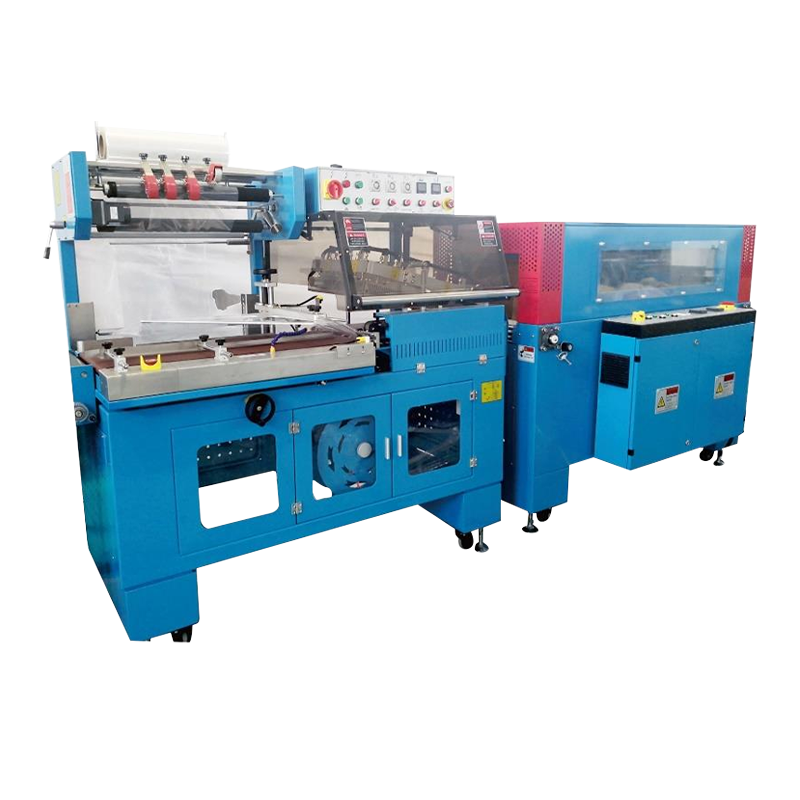
A motorized take-up receives the finished cable at a controlled tension and speed. For shorter products or flexible cable formats, a coiling machine may prepare the product into manageable coils. Fully automatic coiling and packaging equipment can then reduce manual handling and support consistent package dimensions.
For larger production facilities, an intelligent robot stacker can automate the movement and arrangement of coils, reels, or packages. This helps reduce labor requirements and improves workplace organization. The extrusion machine therefore functions as one element in a broader production ecosystem that extends from conductor pay-off to final packaging.
When specifying a complete line, manufacturers should consider speed synchronization, tension control, communication interfaces, floor layout, safety zones, cable diameter range, package format, and operator access. The compatibility of all equipment is essential. A high-output extruder paired with a slow or poorly synchronized take-up will not deliver its full production potential.
12. Quality, Standards, and Verification
The supplied product information references IEC 60228 and ASTM D2240. IEC 60228 is associated with conductors of insulated cables, including conductor construction and resistance-related requirements. ASTM D2240 is associated with the measurement of rubber and plastic hardness using durometer methods. These references indicate attention to established technical evaluation frameworks.
Standards references should be interpreted correctly. Compliance is not created by the extruder alone. Final conformity depends on the conductor, polymer compound, formulation, die and crosshead, process settings, cooling, inspection methods, and finished cable testing. The machine provides a production platform that can support controlled manufacturing, but manufacturers remain responsible for verifying the final product against the applicable standard and customer specification.
For cable extrusion, routine quality checks may include conductor diameter, finished cable diameter, insulation or jacket thickness, eccentricity, surface appearance, tensile strength, elongation, hardness where relevant, electrical resistance, spark test performance, and dimensional stability. The exact test program depends on the cable category and governing standard.
Process documentation is also important. Operators should record material batch information, machine settings, line speed, melt temperature, pressure, cooling conditions, startup observations, and inspection results. This creates traceability and makes it easier to identify the cause of a deviation.
The extruder’s stable mechanical and plasticization systems can support this quality program by reducing process variation. However, quality improvement is strongest when the machine is combined with calibrated instruments, trained operators, preventive maintenance, and consistent raw-material control.
13. Maintenance and Long-Term Operating Value
Preventive maintenance protects the performance of any extrusion machine. Operators should regularly inspect the reducer, lubrication system, motor, screw drive, barrel heaters, cooling circuits, sensors, electrical cabinet, feed system, and safety devices. Early detection of abnormal noise, vibration, temperature, or pressure can prevent larger failures.
The hardened helical gear reducer should be maintained according to the supplier’s lubrication and inspection recommendations. Gearbox oil condition, oil level, seal integrity, and bearing temperature are important indicators. A clean and correctly lubricated reducer can operate more efficiently and reduce the risk of premature wear.
The screw and barrel should be cleaned appropriately when changing materials or colors. This is particularly important when moving between PVC, PP, and PE, because residues from one material may affect the next production run. A controlled purging and changeover procedure can reduce contamination and shorten stabilization time.
Heating zones and temperature sensors should be checked for correct response. A failed heater or inaccurate sensor can create local overheating or incomplete melting. Operators should also monitor cooling water flow and temperature because insufficient cooling can affect cable dimensions and surface quality.
Maintenance has a direct relationship with product cost. Unplanned downtime can interrupt delivery schedules, create material waste, and require emergency repairs. A well-maintained extruder is more likely to provide stable output, predictable energy consumption, and longer component life.
14. How the Machine Compares with Conventional Models
The product’s main competitive advantages can be summarized in four areas: material flexibility, efficient material utilization, stable high-output performance, and integrated engineering design.
First, conventional extruders may be configured primarily for one material or one narrow application. The ability to process PP, PVC, and PE on a common platform gives manufacturers greater scheduling flexibility. This can be particularly beneficial when customer orders vary frequently.
Second, the stated 15 percent material-utilization improvement addresses one of the largest cost areas in cable production. More consistent extrusion can help reduce over-extrusion, startup scrap, and rejected product. Actual savings will depend on the operating environment, but the design objective is clearly aligned with cost control.
Third, the stated output of up to 240 kilograms per hour supports high-yield production. The value of this capacity is strengthened by the machine’s torque transmission and precision plasticization systems, which are intended to maintain stable processing rather than simply increase speed.
Fourth, the combination of a hardened helical gear reducer, intelligent power regulation, and a wider cable machinery portfolio provides a more complete equipment proposition. Customers can evaluate the extruder as part of a turnkey production solution that includes pay-off, take-up, coiling, packaging, and stacking equipment.
These advantages do not eliminate the need for technical matching. A competing machine may be suitable for a specialized product, a smaller output range, or a particular polymer formulation. The correct comparison should therefore include total production cost, output at the required quality level, material waste, energy consumption, changeover time, maintenance requirements, automation compatibility, and supplier support.
15. Recommended Evaluation Process for Buyers
Before purchasing a cable extruder, manufacturers should define the complete product range. This includes conductor size, cable diameter, insulation and jacket materials, compound grades, layer thickness, target line speed, annual production volume, and packaging format.
The second step is to review material compatibility. PP, PVC, and PE should not be treated as identical. The supplier should confirm suitable screw and barrel configurations, temperature ranges, output expectations, and changeover procedures for each material.
The third step is to evaluate output under realistic conditions. Maximum output figures are useful for capacity planning, but buyers should also request practical output data for their specific cable sizes and material compounds. Stable quality at the required throughput is more important than a theoretical peak figure.
The fourth step is to examine the complete line. Pay-off, crosshead, cooling, testing, take-up, coiling, packaging, and stacking equipment should be considered together. The supplier should clarify speed synchronization, control communication, tension management, floor space, utilities, and safety requirements.
The fifth step is to assess service and support. Installation guidance, commissioning, operator training, spare parts, maintenance instructions, and technical response all influence long-term equipment value. A turnkey supplier with a broad product range may simplify communication and system coordination.
Finally, buyers should request appropriate documentation, including technical specifications, electrical drawings, operating manuals, maintenance schedules, recommended spare parts, inspection records, and acceptance criteria. Clear documentation helps protect both the equipment investment and the consistency of future production.
16. Frequently Asked Questions
Q1: What materials can this cable extruder process?
The machine is designed for PP, PVC, and PE cable insulation and jacket extrusion. Because these materials have different thermal and flow characteristics, production settings should be adjusted for the selected compound and cable specification.
Q2: What is the maximum stated output?
The supplied product information states a maximum output of up to 240 kilograms per hour for large-caliber cable applications. Actual output depends on material grade, cable size, layer thickness, screw configuration, die design, line speed, and quality requirements.
Q3: How does the machine help reduce material costs?
The machine is described as improving material utilization by up to 15 percent compared with conventional models. More stable plasticization and extrusion can help reduce over-extrusion, startup waste, dimensional variation, and rejected cable.
Q4: Can the extruder switch between PP and PVC?
Yes. The machine is designed to remain stable when processing the crystalline structure of PP and the amorphous properties of PVC. Each material still requires its own process recipe, temperature profile, cleaning procedure, and quality checks.
Q5: Why is a hardened helical gear reducer important?
A hardened helical gear reducer supports smooth torque transmission, wear resistance, and stable screw drive operation. These characteristics are useful during continuous production and when processing materials with different load and flow behavior.
Q6: What is the purpose of precision plasticization?
Precision plasticization helps transform polymer pellets into a uniform, well-mixed melt. A stable melt supports consistent cable diameter, insulation or jacket thickness, surface quality, and downstream process control.
Q7: Does the machine include a complete cable production line?
The product is the core cable extrusion machine. The manufacturer also supplies related equipment, including motorized pay-off and take-up machines, coiling machines, packaging equipment, intelligent robot stackers, and accessory equipment. A complete line can therefore be configured according to the customer’s requirements.
Q8: What standards are referenced for the product?
The supplied information references IEC 60228 and ASTM D2240. Final compliance depends on the complete cable design, raw materials, process conditions, testing program, and applicable customer or regulatory requirements.
Q9: Is the machine suitable for manufacturers with multiple cable products?
Yes. Its PP, PVC, and PE compatibility makes it suitable for manufacturers that need to process different thermoplastic materials. This can improve scheduling flexibility and reduce the need for separate dedicated extruders.
Q10: What should be confirmed before ordering?
Buyers should confirm material grades, cable dimensions, target output, insulation or jacket thickness, required crosshead and die configuration, line layout, automation level, downstream equipment, utilities, installation conditions, testing requirements, and service arrangements.
17. Conclusion
The High-Efficiency PP PVC PE Cable Extruder is designed to address the central challenges of modern cable manufacturing: efficient material use, high production capacity, multi-material flexibility, stable plasticization, and reliable mechanical operation. Its compatibility with PP, PVC, and PE enables manufacturers to handle a broader product portfolio on one extrusion platform.
The machine’s stated advantages include up to 240 kilograms per hour of output for large-caliber cable applications and a material-utilization improvement of up to 15 percent compared with conventional models. Advanced torque transmission, a hardened helical gear reducer, precision plasticization, and intelligent power regulation support the product’s focus on stable, efficient production.
Its value is further strengthened by the manufacturer’s broader wire and cable machinery portfolio. By supplying extrusion lines together with pay-off equipment, take-up equipment, coiling machines, packaging systems, robot stackers, and accessories, the company can support customers seeking a more coordinated turnkey production solution.
For manufacturers evaluating new equipment, the most important question is not simply how fast an extruder can run. The more meaningful question is whether it can deliver stable quality, efficient material consumption, dependable operation, and flexible production over the full range of intended products. With appropriate material selection, process control, maintenance, and line integration, this cable extruder provides a strong foundation for streamlined and cost-conscious wire and cable manufacturing.
References
1. International Electrotechnical Commission. IEC 60228: Conductors of Insulated Cables.
2. ASTM International. ASTM D2240: Standard Test Method for Rubber Property—Durometer Hardness.
3. Technical product information supplied for the High-Efficiency PP PVC PE Cable Extruder.
4. Technical company information supplied for Shanghai Yessjet Precise Machinery Co., Ltd.
5. General engineering principles for thermoplastic wire and cable extrusion, polymer plasticization, and cable production-line integration.