LANGUAGE
 中文简体
 русский
 Français
 Español
 Português
 عربى

Content
- 1 1. The Role of Automatic Coiling in Wire and Cable Production
- 2 2. Main Functions of the Automatic Coiling Machine
- 3 3. Technical Specifications and Model Selection
- 4 4. Advantages Over Conventional and Competing Solutions
- 5 5. Manufacturing Strengths and Engineering Approach
- 6 6. Applications for Different Wire and Cable Products
- 7 7. Operating Workflow
- 8 8. Installation, Maintenance, and Safety
- 9 9. How to Choose the Correct Configuration
- 10 10. Economic and Production Benefits
- 11 11. Why an Integrated Supplier Matters
- 12 12. Frequently Asked Questions
- 12.1 Q1: What types of wire and cable can the machine coil?
- 12.2 Q2: Can the machine receive cable directly from an extrusion line?
- 12.3 Q3: Does the machine wrap the coil after winding?
- 12.4 Q4: Is manual adjustment needed when changing coil sizes?
- 12.5 Q5: How many coil recipes can be stored?
- 12.6 Q6: Does the machine include an automatic labeling system?
- 12.7 Q7: How does the servo traversing system improve the coil?
- 12.8 Q8: What happens if the machine develops a fault?
- 12.9 Q9: Which model is suitable for high-speed small-diameter wire?
- 12.10 Q10: Which model is suitable for larger cable coils?
- 12.11 Q11: Can the machine be used as a stand-alone unit?
- 12.12 Q12: What information should be supplied for a quotation?
- 12.13 Q13: Is sample testing recommended?
- 12.14 Q14: Can the system be expanded later?
- 13 13. Purchasing and Project Implementation Considerations
- 14 14. Conclusion
- 15 References
- 16 Product: Automatic Coiling Machine
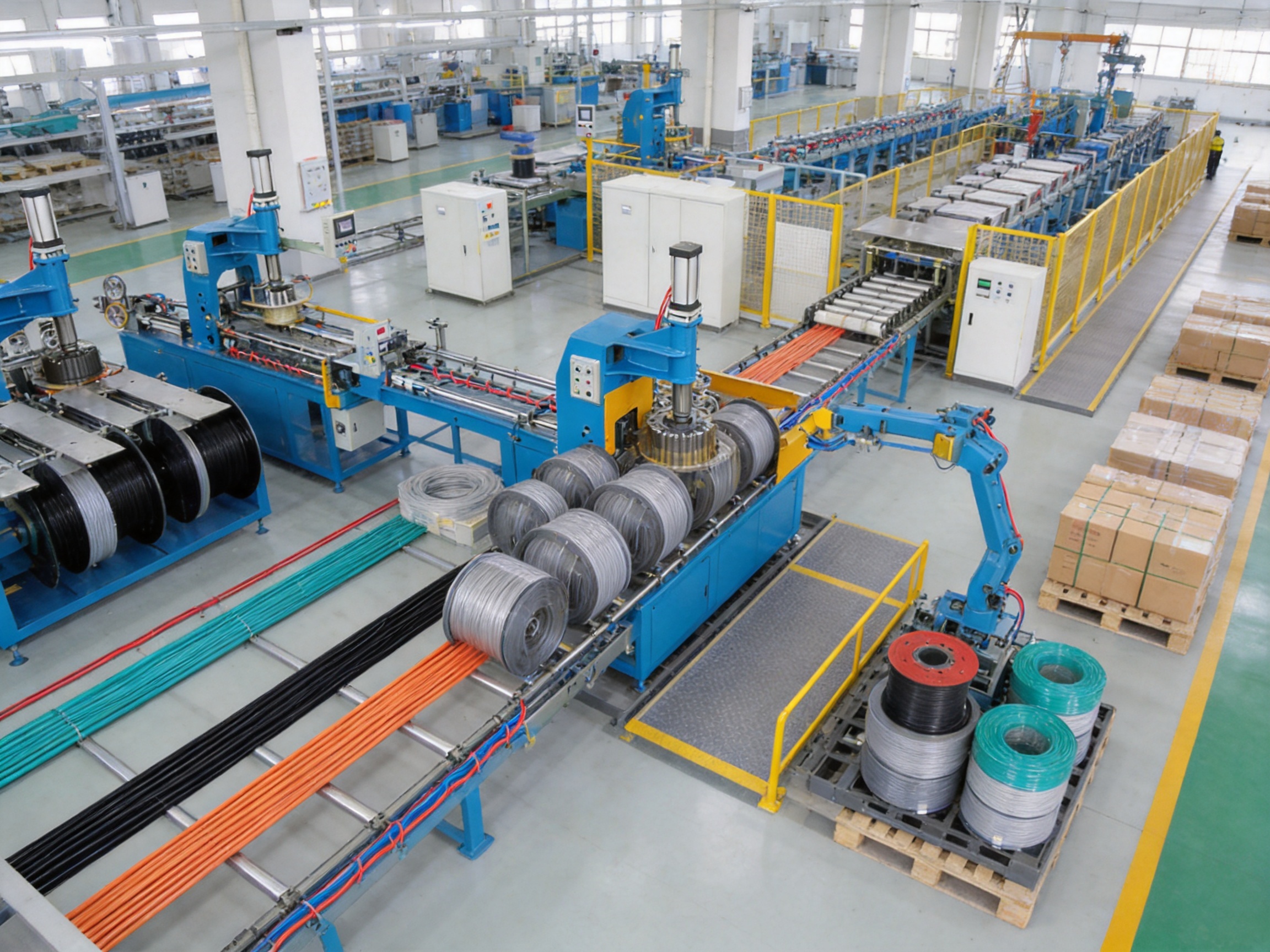
In modern wire and cable manufacturing, coiling and packaging are no longer secondary operations. They directly influence production speed, finished-product appearance, handling efficiency, storage, transportation, and customer satisfaction. A cable may meet all electrical and mechanical requirements, yet still create problems if it is poorly wound, loosely packaged, incorrectly labeled, or difficult to remove from the coil. For this reason, manufacturers increasingly require automatic coiling equipment that can coordinate winding, cable arrangement, labeling, error detection, and wrapping in one integrated production process.
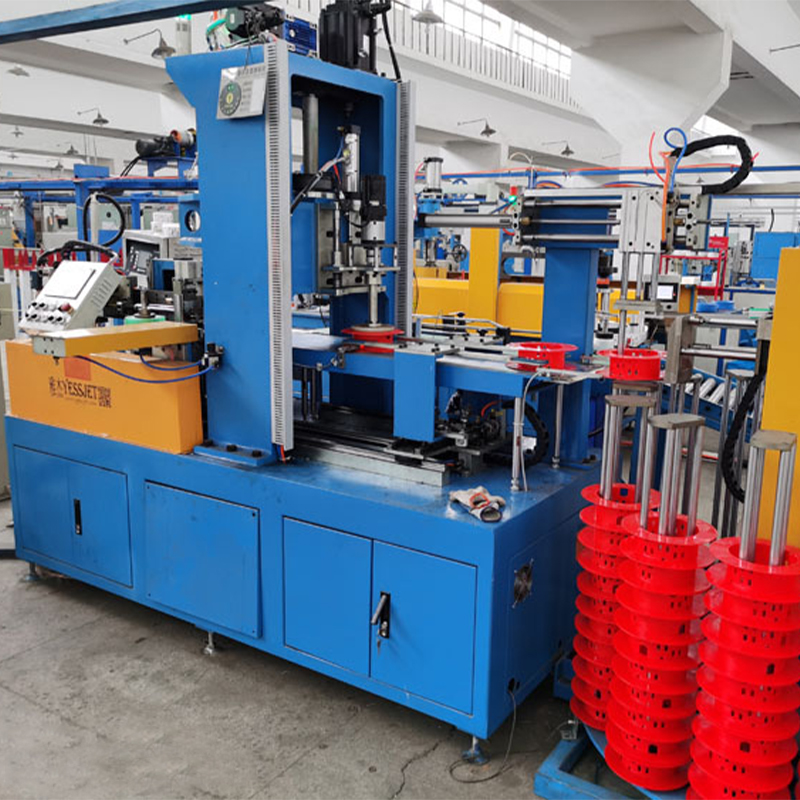
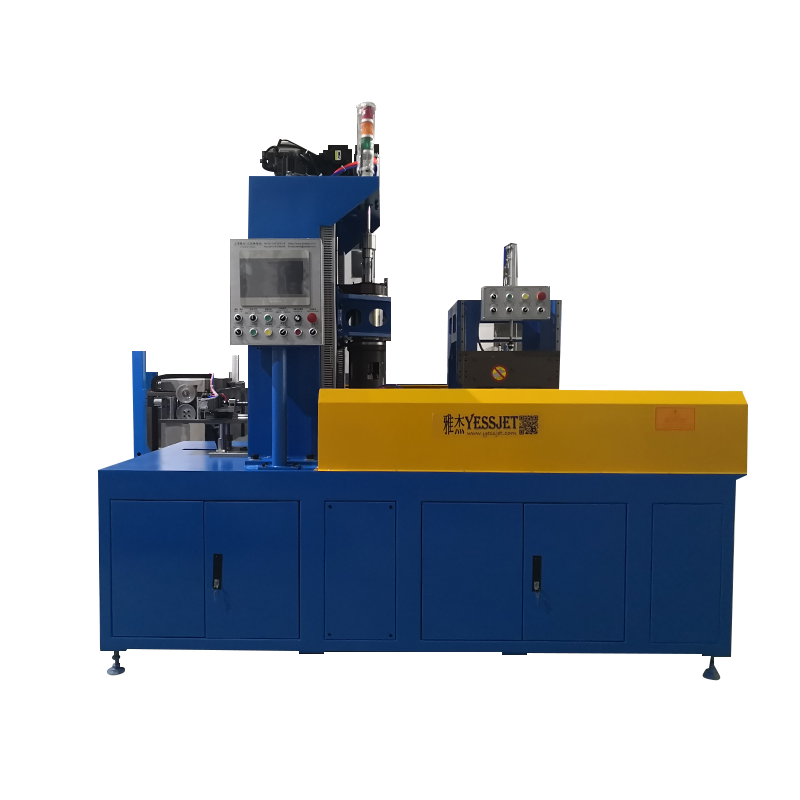
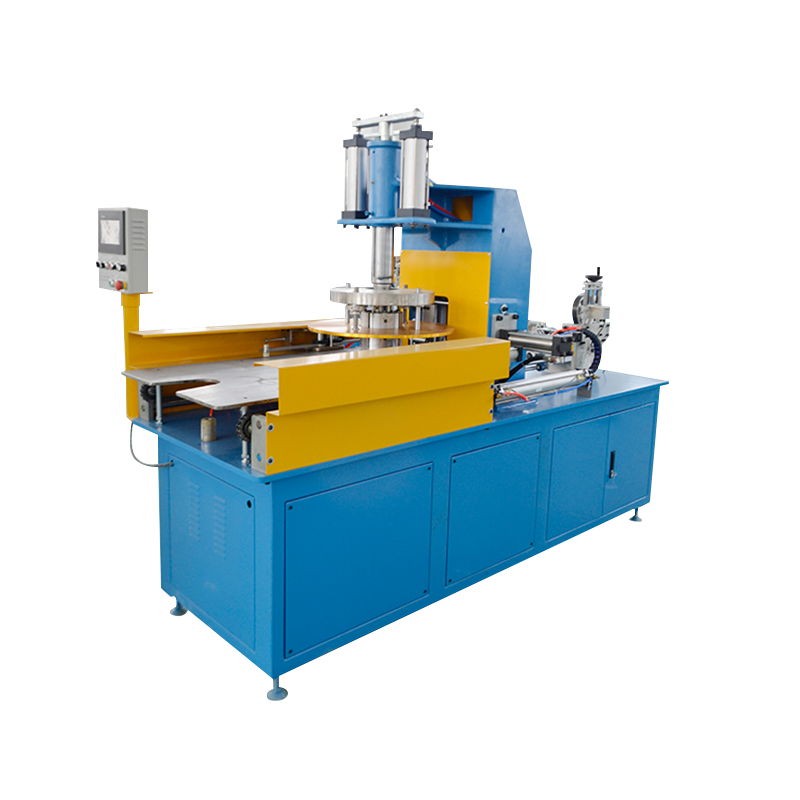
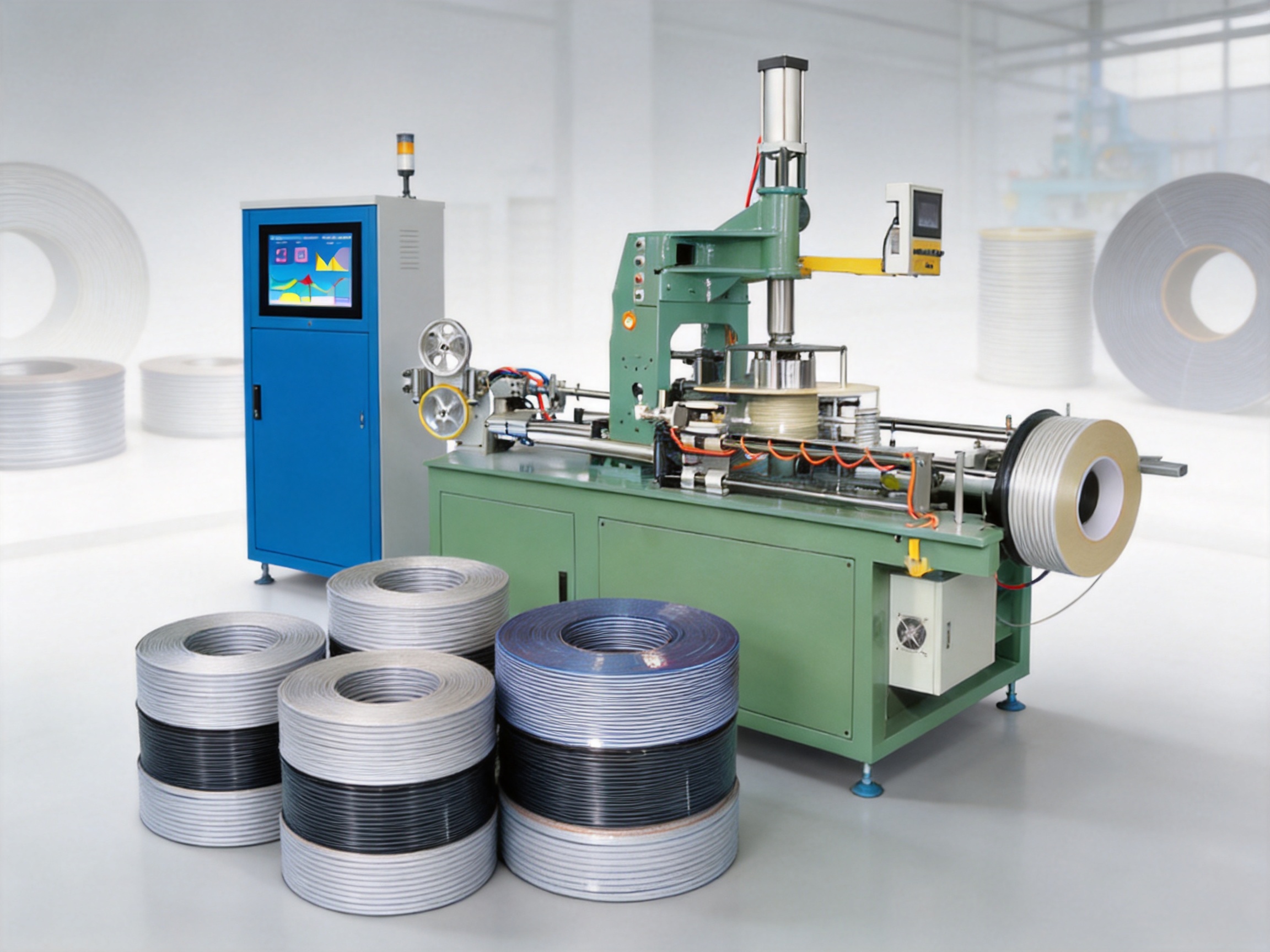
The Automatic Coiling Machine is designed to meet these requirements. It automatically winds wires and cables into accurately formed coils and can wrap them after winding. Depending on the application, packaging materials may include PP tape, paper tape, woven tape, and other suitable materials. The machine is engineered for continuous production and can receive cable directly from an extrusion line or from a motorized pay-off machine.
With automatic thread holding, servo-controlled cable traversing, automatic label feeding, recipe storage, touch-screen operation, and fault alarms, the equipment provides a practical solution for manufacturers seeking higher productivity and lower labor dependence. It is suitable for a broad range of wire and cable products, including BV, BVR, RVV, UL electronic wires, flower wires, and other similar cable types.
This article examines the machine’s working principles, technical advantages, available models, manufacturing strengths, application value, and selection considerations. It also explains why an integrated automatic coiling and wrapping system can offer important advantages over conventional manual or semi-automatic equipment.
Automatic Coiling Machine
1. The Role of Automatic Coiling in Wire and Cable Production
Wire and cable production normally includes conductor preparation, insulation or sheathing extrusion, cooling, diameter control, spark testing, meter counting, take-up, coiling, labeling, and final packaging. Each stage affects the next. If the cable is not delivered from the extrusion line at a stable speed, the coiling process may become uneven. If the coil diameter is inconsistent, packaging quality can suffer. If the label must be applied manually, production continuity may be interrupted.
An automatic coiling machine connects the final stages of production into a more coordinated system. It receives the cable, controls its movement, forms the required coil, applies or prepares the label, and completes wrapping operations. This reduces the need for operators to repeatedly measure, guide, stop, tie, label, and package each finished coil.
Traditional manual coiling usually depends on operator experience. The operator must maintain an appropriate winding tension, guide the cable evenly, control the final coil size, secure the coil, and apply packaging material. The result can vary between shifts and between operators. Semi-automatic equipment may improve the winding process but still require manual adjustment when the product specification changes.
The Automatic Coiling Machine addresses these limitations through programmable control. Coil data can be entered and stored in the PLC memory, allowing operators to select a previously prepared production recipe. Up to 99 types of coil data can be retained. When changing from one coil size to another, the machine is designed to avoid repeated manual adjustment of every mechanical device. This saves setup time and helps maintain consistent production conditions.
The machine is particularly valuable for manufacturers producing multiple cable specifications. A flexible production line may need to handle different outside diameters, coil heights, coil inside diameters, and finished coil outside diameters during a single working day. A programmable automatic system makes these changes more manageable and reduces the possibility of setup errors.
2. Main Functions of the Automatic Coiling Machine
2.1 Automatic cable winding
The primary function is to wind wire or cable into a controlled circular coil. The winding motion, cable feeding speed, traversing movement, and coil dimensions are coordinated by the control system. This helps produce a smooth and orderly coil surface rather than a loose or irregular bundle.
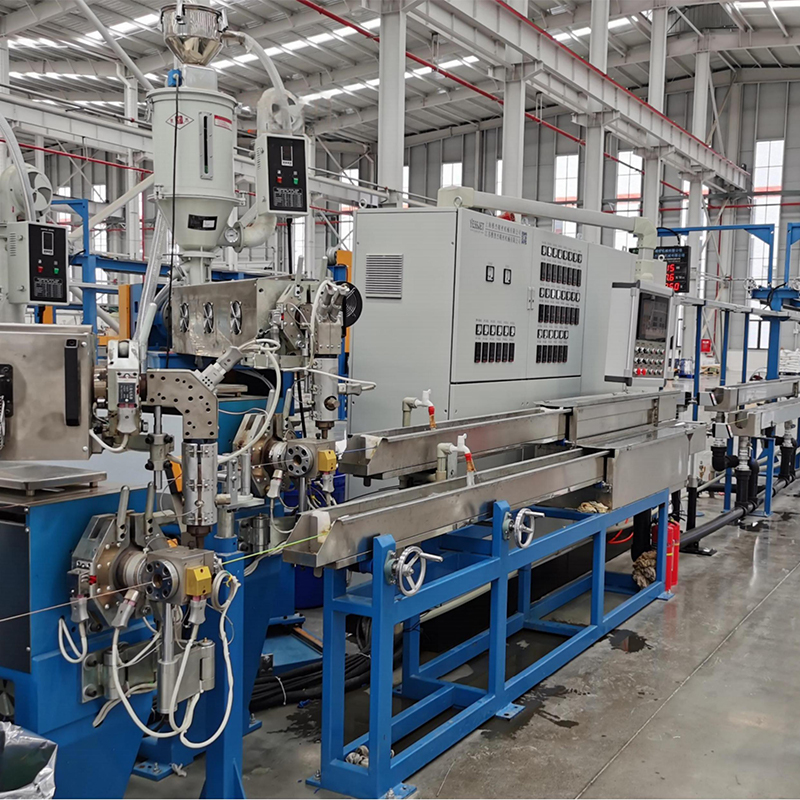
Automatic winding is suitable for cable supplied from an extrusion line, a take-up system, or a separate motorized pay-off machine. This flexibility allows the coiler to be incorporated into a complete wire and cable production line or used as an independent downstream packaging machine.
2.2 Servo motor cable arrangement
The servo motor cable arrangement system is one of the machine’s most important quality features. During winding, the cable must be distributed evenly across the coil width. If the cable arrangement is uncontrolled, the coil may become uneven, develop raised sections, or have an unattractive surface.
The servo-controlled traversing system guides the cable with precise and repeatable movement. It produces a smoother surface and a more organized cable arrangement. This is especially important for products sold in retail packaging, where visual appearance affects customer perception. It also improves coil stability during storage and transportation.
Compared with basic mechanical guiding systems, servo control provides better responsiveness and more flexible adjustment. It can coordinate cable movement with the winding speed and adapt to different coil dimensions through programmed parameters. This contributes to improved repeatability when the same product is manufactured in different batches.
2.3 Automatic thread holding arm
The automatic adjustable thread holding arm helps secure the cable during the winding process. It is designed to adjust automatically, eliminating the need for frequent manual positioning. This makes operation safer and more convenient while reducing the setup burden on the operator.
Manual thread holding can create several problems. The operator may position the arm too tightly, causing cable deformation, or too loosely, causing the cable end to move during winding. Automatic adjustment supports a more stable process and reduces dependence on individual operating habits.
2.4 Automatic labeling
The integrated automatic label feeder applies labels without requiring a worker to stop the line and attach each label manually. Labels may contain information such as product type, length, production batch, customer reference, or other manufacturing data, depending on the user’s configuration.
Automatic labeling improves consistency and reduces the risk of missing or misplaced labels. It also allows the finished coil to move more quickly from the winding station to final inspection, boxing, palletizing, or shipment preparation.
2.5 Wrapping and packaging
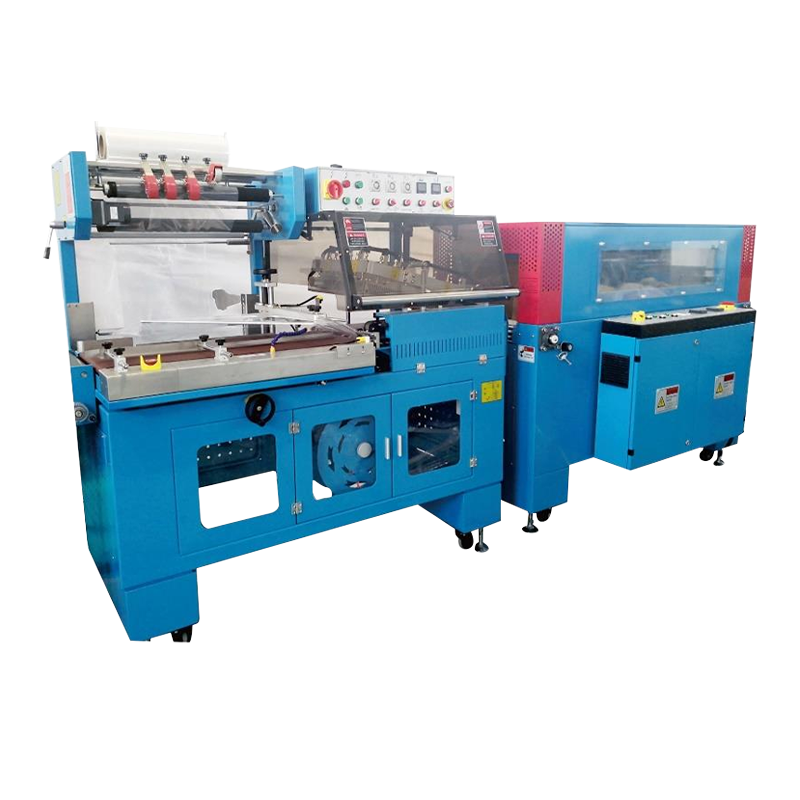
After winding, the coil can be wrapped using PP tape, paper tape, woven tape, or other packaging materials. The wrapping function helps maintain the coil’s shape and protects it during handling. The appropriate wrapping material depends on cable type, coil size, packaging appearance, storage conditions, and customer requirements.
Combining winding and wrapping in one production solution has a major practical advantage. The coil does not need to be transferred to a separate manual packaging station immediately after formation. This reduces handling, saves floor space, and lowers the possibility of damage or deformation during transfer.
2.6 Automatic fault detection
The machine automatically detects faults and sends an alarm to the operator. This function supports rapid troubleshooting and helps prevent prolonged abnormal operation. An alarm may indicate a problem associated with machine movement, cable feeding, winding conditions, or another monitored operating parameter.
Automatic fault detection is particularly useful in continuous production. Without an alarm function, a minor issue may remain unnoticed until many coils have been produced with poor quality. An immediate warning allows the operator to inspect the machine and take corrective action before the problem affects a larger production quantity.
2.7 Touch-screen graphical operation
The screen touch graphical operation terminal provides a clear interface for machine control. Operators can select coil recipes, view production parameters, monitor machine status, and respond to alarms through the terminal.
A graphical interface is easier to understand than a collection of separate switches and manual adjustment scales. It can also help standardize operation between different workers. After training, operators can select an approved recipe instead of manually recalculating and adjusting several mechanical settings.
3. Technical Specifications and Model Selection
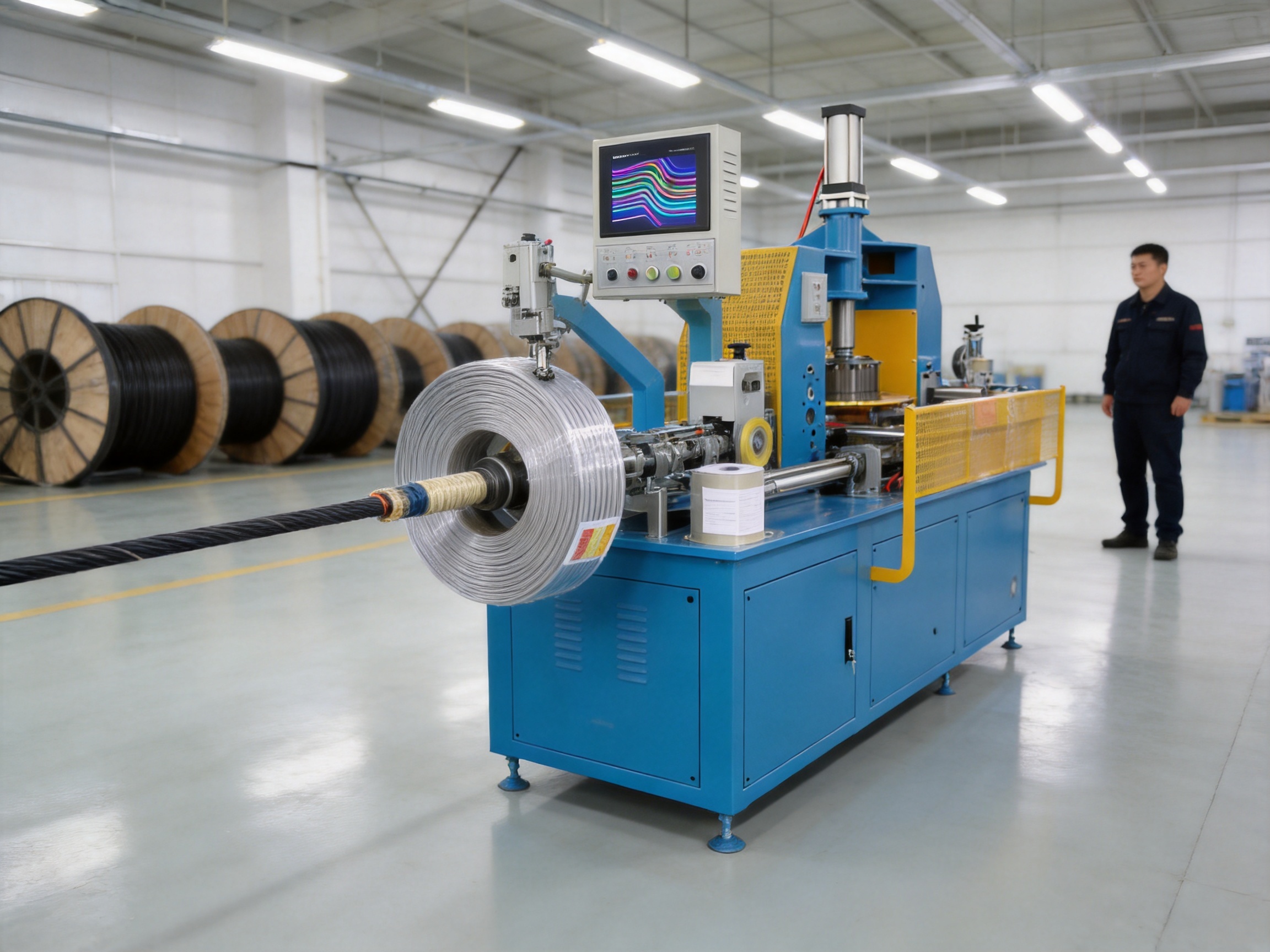
The Automatic Coiling Machine is available in several models to accommodate different coil sizes and cable diameters. The following table summarizes the principal specifications provided for the C1246, C1860, C2060, and C2480 models.
| Model | Coil Height (mm) | Coil Outside Diameter (mm) | Coil Inside Diameter (mm) | Applicable Wire Diameter (mm) | Maximum Speed (RPM) |
|---|---|---|---|---|---|
| C1246 | 50–120 | 180–460 | 120–220 | 1–12 | 900 |
| C1860 | 60–180 | 220–600 | 180–250 | 5–15 | 300 |
| C2060 | 60–200 | 220–600 | 180–250 | 5–15 | 300 |
| C2480 | 80–240 | 250–800 | 250–320 | 10–25 | 150 |
The C1246 model is designed for smaller wire and cable diameters and provides the highest listed rotational speed. It is suitable for applications requiring compact coils and high-speed processing. The C1860 and C2060 models support larger coil dimensions and cable diameters. The C2480 model is intended for larger and heavier cable products, with a coil outside diameter range extending to 800 millimeters.
Model selection should not be based on cable diameter alone. The manufacturer should also consider the required coil height, inside diameter, outside diameter, production speed, packaging material, cable flexibility, cable surface, and connection method with the upstream extrusion or pay-off equipment.
In some applications, the required output may be limited not by the coiler’s rotational speed but by extrusion speed, cable weight, packaging time, or the maximum allowable tension. Therefore, the complete production line should be evaluated as a system rather than by selecting a machine solely on the basis of its maximum RPM.
3.1 Understanding coil height
Coil height describes the axial width of the finished coil. The correct height depends on the cable diameter, the number of winding layers, the customer’s packaging requirements, and the available storage or display space. A suitable height range allows the cable to be arranged neatly without excessive compression or instability.
3.2 Understanding coil inside and outside diameter
The coil inside diameter affects how easily the finished coil can be handled, tied, wrapped, or placed on a support. The outside diameter determines the overall package size. A larger outside diameter may reduce the number of coils needed for a specific cable length, while a smaller outside diameter may be more suitable for retail handling or compact transportation.
3.3 Understanding wire diameter range
The wire diameter range indicates the cable sizes for which a model is designed. Smaller cables may require higher winding speeds and more delicate tension control. Larger cables require greater mechanical stability and suitable winding torque. Choosing a model within its recommended diameter range helps protect cable quality and supports reliable operation.
3.4 Understanding rotational speed
RPM is an important performance indicator, but it should be interpreted together with cable diameter and coil dimensions. A high rotational speed is beneficial for smaller products, while larger or heavier cables generally require lower speed and higher controlled torque. The correct production speed must always protect the cable from stretching, twisting, flattening, or surface damage.
4. Advantages Over Conventional and Competing Solutions
4.1 Continuous production capability
One of the most important advantages is continuous in-line coiling. The machine can automatically coil cable from an extrusion line or pay-off equipment, reducing the need to stop production for each coil. Continuous operation increases output and helps manufacturers use the full capacity of upstream equipment.
In a manual process, time is lost when operators cut the cable, form the coil, secure the coil, apply packaging, and prepare the next winding cycle. The automatic solution minimizes these interruptions. This can be especially valuable in high-volume production, where even a short delay repeated hundreds of times per day can reduce overall productivity.
4.2 Reduced labor requirements
The machine reduces manual work in winding, guiding, labeling, and wrapping. Operators can focus on monitoring, material replenishment, quality verification, and exception handling rather than performing repetitive physical tasks.
Labor reduction is not limited to the number of workers. It also includes lower training requirements, less dependence on individual skill, and reduced physical fatigue. A standardized automated process can provide more consistent results across different shifts.
4.3 Consistent coil appearance
The servo motor traversing system creates a smooth coil surface and controlled cable arrangement. This gives the finished product a more professional appearance than irregular hand-wound coils. Consistent appearance is particularly important for cable sold in retail channels or delivered to customers with strict packaging expectations.
A well-arranged coil is also easier to wrap and secure. It is less likely to shift during transportation and can be stacked or stored more efficiently. Improved coil geometry may therefore contribute to both product presentation and logistics performance.
4.4 Faster product changeover
The ability to store up to 99 coil data types in the PLC memory allows operators to prepare multiple product recipes. When the production schedule changes, the operator can select the relevant recipe instead of making extensive manual adjustments.
This is a significant advantage over equipment that requires mechanical recalibration whenever coil size changes. Faster changeover is especially beneficial for manufacturers with many orders, multiple cable constructions, or frequent small-batch production.
4.5 Improved labeling accuracy
Manual labeling can result in missing labels, incorrect placement, inconsistent orientation, or production records that are difficult to trace. Automatic label feeding creates a more repeatable labeling process and helps connect the finished coil with its production information.
Accurate labeling is important for quality control, inventory management, customer identification, and after-sales service. It can also help prevent the shipment of different cable specifications in visually similar packages.
4.6 Better use of factory space
Because winding and packaging functions are integrated, the machine can reduce the need for separate manual workstations. This saves installation space and can make the material flow more direct.
A compact and organized production layout may reduce unnecessary movement of cable coils, packaging materials, and operators. It can also improve workplace safety by limiting the accumulation of loose cable and partially packaged products around the production line.
4.7 Automatic alarms and process protection
Automatic fault detection improves production awareness. Instead of relying entirely on visual observation, the control system informs the operator when an abnormal condition occurs. Faster reaction helps reduce waste, protect equipment, and maintain consistent product quality.
This function also supports preventive maintenance. Repeated alarms can reveal areas that require inspection, adjustment, cleaning, or replacement. Over time, alarm information can help the production team identify recurring causes of downtime.
4.8 Flexible integration
The machine can operate with an extrusion line or a motorized pay-off machine. This makes it suitable for both new production lines and upgrades to existing factories. Manufacturers can integrate the coiler into a larger turnkey wire and cable production solution or use it as a specialized downstream unit.
Flexible integration is an advantage when a factory has already invested in extrusion, cooling, testing, or take-up equipment. Instead of replacing the entire line, the manufacturer may add an automatic coiling and packaging station to improve the final production stage.
5. Manufacturing Strengths and Engineering Approach
Shanghai Yessjet Precise Machinery Co., Ltd. specializes in wire and cable machinery, including extrusion lines, coiling equipment, motorized pay-off systems, motorized take-up systems, intelligent robot stackers, accessory equipment, and cable production solutions. This product range gives the company a broader understanding of the complete manufacturing process rather than treating the coiler as an isolated machine.
A supplier with experience across multiple stages of wire and cable production can better evaluate line speed, cable tension, product handling, machine synchronization, and downstream packaging requirements. This system-level knowledge is important because a coiler must work reliably with the equipment before and after it.
5.1 Precision-oriented machine development
The machine’s servo traversing system, automatic thread holding arm, PLC recipe storage, and touch-screen terminal indicate a design approach focused on repeatability and controlled operation. Precision in this context does not refer only to individual mechanical parts. It also involves the coordination of winding speed, cable position, coil dimensions, labeling, and packaging timing.
For wire and cable manufacturers, coordinated movement is essential. A machine may have a strong mechanical frame, but if its control logic does not respond correctly to cable speed or product changes, finished coil quality can still vary. The integration of motion control and programmable production data is therefore a central engineering strength.
5.2 Support for customized production
Different cable manufacturers may require different coil sizes, wrapping patterns, label formats, line speeds, or material handling arrangements. A standard machine platform with programmable controls can be adapted to these requirements more easily than a fixed-purpose manual system.
Customization may involve the selected model, coil dimensions, cable feeding arrangement, wrapping materials, label system, line interface, operating language, safety configuration, and production data management. The suitability of each option should be confirmed during technical communication and sample testing.
5.3 Complete line perspective
Because the company supplies equipment for wire and cable extrusion and material handling, it can approach projects from the perspective of a complete production line. This may include upstream extrusion, cooling, testing, pay-off, take-up, coiling, wrapping, and palletizing.
A complete-line perspective can simplify project coordination. The customer may communicate production requirements to one specialized machinery partner instead of coordinating many unrelated suppliers. It can also help reduce compatibility risks between machines supplied by different manufacturers.
5.4 Practical automation
The Automatic Coiling Machine does not rely on automation for appearance alone. Its features are connected to practical production goals: lower labor cost, faster changeover, continuous operation, improved coil quality, easier operation, and more reliable packaging.
Practical automation is important for factories that need a clear return on investment. A machine should not merely add complexity. It should make a measurable contribution to production output, quality stability, operator efficiency, and overall operating cost.
5.5 Manufacturing and quality considerations
Reliable coiling equipment depends on accurate mechanical assembly, stable electrical control, suitable servo configuration, correct sensor positioning, and careful testing before delivery. A professional manufacturing process should verify winding movement, cable arrangement, label feeding, fault alarms, recipe changes, and packaging functions.
Customers should request confirmation of testing procedures, documentation, spare parts support, installation guidance, and operator training. These factors influence the long-term value of the equipment as much as the initial machine specifications.
6. Applications for Different Wire and Cable Products
The machine is suitable for high-speed automatic coiling and winding packaging of various wires and cables. Typical applications include building wires, flexible insulated wires, electronic wires, control cables, decorative or flower wires, and other products within the machine’s recommended diameter and coil-size ranges.
6.1 Building wires
BV and BVR wires are widely used in electrical installation applications. Their production often requires efficient meter counting, consistent coil dimensions, secure packaging, and clear identification. Automatic coiling can help prepare these products for distribution, warehouse storage, and retail sales.
6.2 Flexible cables
RVV and similar flexible cables can be more difficult to arrange consistently because their construction allows greater bending movement. Controlled cable traversing and appropriate tension settings help maintain a compact and orderly coil while reducing loose sections.
6.3 UL electronic wires
UL electronic wires and related small-diameter products often require high-speed production and accurate labeling. The C1246 model, with its listed wire diameter range and high maximum rotational speed, may be considered for suitable small or medium wire applications after technical confirmation.
6.4 Decorative and special-purpose wires
Flower wires and other flexible or visually oriented products may benefit from smooth winding and attractive packaging. The servo arrangement system helps create a consistent surface that is appropriate for products where appearance is important.
6.5 Customized cable products
For products outside standard applications, the customer should provide cable diameter, construction, flexibility, insulation material, target coil dimensions, production speed, and packaging requirements. Testing with actual cable samples is recommended before final model confirmation.
7. Operating Workflow
The typical operating workflow begins with cable feeding from the extrusion line or pay-off machine. The operator selects the required coil recipe through the touch-screen terminal. The machine then controls the winding and traversing movement according to the stored parameters.
During winding, the automatic thread holding arm supports stable cable positioning. The servo motor arrangement system distributes the cable across the required coil width. Sensors and programmed controls monitor machine status and identify abnormal conditions.
When the target coil dimensions or programmed length are reached, the winding cycle proceeds to the next stage. The label feeder supplies the required label, and the wrapping unit applies the selected packaging material. The finished coil can then be removed, inspected, boxed, or transferred to a stacking and palletizing system.
The exact workflow may vary according to the production line configuration and packaging method. Some customers may use the coiler as a stand-alone machine, while others may integrate it with take-up equipment, automatic wrapping equipment, or an intelligent robot stacker.
7.1 Initial setup
Before production, the operator should confirm that the cable specification matches the selected recipe. The cable path, packaging material, label supply, emergency stop devices, and machine guards should be checked. The operator should also verify that the coil dimensions are within the selected model’s working range.
7.2 Recipe selection
When a product has already been configured, the operator can select its stored recipe. If the product is new, the required parameters should be entered according to the manufacturer’s instructions and verified by a trial coil.
7.3 Production monitoring
During automatic operation, the operator should monitor cable feeding, coil appearance, label position, wrapping quality, and alarm messages. Even with automatic control, routine observation remains important for maintaining product quality and identifying changes in upstream conditions.
7.4 Changeover
For a new cable specification, the operator selects the relevant coil data or creates a new recipe. The machine is designed to avoid manual adjustment of every device when changing coil size, which can shorten the changeover process. A first-piece inspection should be completed before full production begins.
8. Installation, Maintenance, and Safety
Correct installation is essential for reliable operation. The machine should be placed on a stable foundation with sufficient space for cable feeding, finished coil removal, packaging material replacement, and operator access. The layout should also allow safe maintenance and emergency response.
Electrical installation should be completed by qualified personnel. Power requirements, grounding, control connections, communication interfaces, and upstream or downstream synchronization should be checked before commissioning. The equipment should not be operated until guards, emergency stops, and safety functions have been verified.
8.1 Routine maintenance
Routine maintenance may include cleaning cable debris, checking the cable path, inspecting guides and holding components, verifying sensor condition, examining belts or transmission parts, and checking the label and wrapping mechanisms. The exact maintenance schedule should follow the machine manual and actual production conditions.
Servo-driven systems require attention to mechanical alignment and electrical connections. Unusual noise, vibration, inconsistent traversing, or repeated alarms should be investigated promptly. Early maintenance can prevent minor issues from developing into extended downtime.
8.2 Packaging material management
PP tape, paper tape, woven tape, and other materials should be stored in a clean and dry environment. Incorrect material tension, damaged rolls, or unsuitable material dimensions may affect wrapping quality. Operators should confirm that packaging material specifications match the machine configuration.
8.3 Operator training
Operators should receive training in recipe selection, machine startup and shutdown, cable threading, label replacement, packaging material replacement, alarm response, emergency stop operation, and basic cleaning. Training should also cover the limits of each model so that the machine is not used outside its recommended range.
9. How to Choose the Correct Configuration
Before purchasing an automatic coiling machine, the customer should prepare a detailed product and production specification. The following questions can help define the correct configuration.
- What cable diameters will be produced?
- What coil outside diameter, inside diameter, and height are required?
- What cable length should each coil contain?
- What is the upstream extrusion or pay-off speed?
- Which wrapping materials will be used?
- Is automatic labeling required?
- Will the machine operate continuously or in batch production?
- Will the machine be connected to a take-up, packaging, or stacking system?
- What factory power supply and available installation space are provided?
- What level of data recording or recipe management is needed?
Accurate information helps the supplier recommend the right model and avoid under-sizing or over-sizing the equipment. A machine that is too small may reduce production speed or cause excessive wear. A machine that is unnecessarily large may increase investment and occupy more space than required.
Actual cable samples are valuable during technical evaluation. They allow the supplier to assess flexibility, surface friction, bending behavior, minimum bending radius, and winding stability. Sample testing can also confirm whether the selected packaging material and label method produce the required finished appearance.
10. Economic and Production Benefits
The economic value of automatic coiling comes from several combined improvements rather than one single feature. Continuous operation can increase output. Lower manual involvement can reduce labor expense. Faster product changes can improve equipment utilization. More consistent winding can reduce rejected or reworked coils. Integrated packaging can reduce internal transport and floor-space requirements.
Manufacturers should evaluate these benefits over the expected service life of the machine. The analysis may include current labor costs, production volume, average changeover time, packaging consumption, scrap rate, warehouse handling, and planned production growth.
For high-volume production, the reduction in repeated manual operations can provide a substantial improvement. For multi-product factories, recipe storage and flexible sizing may be more important than maximum speed. For retail-oriented products, consistent coil appearance and reliable labeling may produce the greatest commercial benefit.
Automation also supports production planning. Because the machine can maintain stored coil data, production teams can standardize product settings and reduce variation between orders. This makes it easier to repeat a customer’s specification after a long interval.
11. Why an Integrated Supplier Matters
Purchasing a coiling machine from a supplier familiar with wire and cable production can simplify technical coordination. The supplier can evaluate the relationship between extrusion speed, cable tension, take-up, coiling, wrapping, and stacking. This is particularly important when a project requires several connected machines.
Shanghai Yessjet Precise Machinery Co., Ltd. provides wire and cable machinery and related production equipment for customers seeking individual machines or complete production solutions. Its product scope includes wire and cable extrusion lines, fully automatic coiling and packaging equipment, intelligent robot stackers, coiling machines, motorized pay-off equipment, motorized take-up equipment, accessory equipment, and cable extrusion machines.
This range allows the company to support different stages of the production process. Customers may require only an automatic coiler, or they may need a more comprehensive solution that combines extrusion, pay-off, take-up, coiling, wrapping, and stacking. A supplier with experience in these connected systems can help identify interface requirements before installation.
Customization is another important strength. Wire and cable factories often have different floor plans, product ranges, packaging standards, and automation goals. A configurable solution can be developed around the customer’s actual production conditions instead of forcing every factory to adopt the same fixed arrangement.
12. Frequently Asked Questions
Q1: What types of wire and cable can the machine coil?
The machine is suitable for various wires and cables within its specified working ranges. Typical examples include BV, BVR, RVV, UL electronic wires, flower wires, and other similar products. The final suitability depends on cable diameter, flexibility, surface characteristics, coil dimensions, and production speed.
Q2: Can the machine receive cable directly from an extrusion line?
Yes. The machine can automatically coil wire from an extrusion line or from a motorized pay-off machine. The complete line should be configured so that cable speed, tension, signaling, and material handling are compatible.
Q3: Does the machine wrap the coil after winding?
Yes. The machine can wind the cable into a coil and wrap it using PP tape, paper tape, woven tape, or other suitable packaging materials, depending on the selected configuration and customer requirements.
Q4: Is manual adjustment needed when changing coil sizes?
The machine is designed so that it is unnecessary to adjust every device manually when changing from one coil size to another. Stored recipes and programmable control simplify changeover. The operator should still verify the first finished coil after a change.
Q5: How many coil recipes can be stored?
Up to 99 types of coil data can be entered and retained in the PLC memory. This is useful for manufacturers with multiple product specifications and frequent order changes.
Q6: Does the machine include an automatic labeling system?
The equipment includes an automatic label feeder. This reduces the need for manual labeling and helps improve production consistency, traceability, and operating convenience.
Q7: How does the servo traversing system improve the coil?
The servo motor cable arrangement system guides the cable evenly across the coil width. It helps produce a smoother surface, more consistent winding, and a more attractive finished coil than uncontrolled or manually guided winding.
Q8: What happens if the machine develops a fault?
The machine automatically detects faults and sends an alarm to remind the operator. The operator can then inspect the indicated condition, stop the machine if necessary, and complete corrective maintenance.
Q9: Which model is suitable for high-speed small-diameter wire?
The C1246 model has a listed wire diameter range of 1 to 12 millimeters and a maximum speed of 900 RPM. It may be suitable for high-speed applications within this range, subject to confirmation of the actual cable and production requirements.
Q10: Which model is suitable for larger cable coils?
The C2480 model supports a listed wire diameter range of 10 to 25 millimeters, coil heights from 80 to 240 millimeters, and coil outside diameters from 250 to 800 millimeters. It is intended for larger coil applications, but final selection should be based on complete product data.
Q11: Can the machine be used as a stand-alone unit?
Yes. It can be used with a separate pay-off or other feeding arrangement. It can also be integrated into an extrusion line or a broader automatic production system.
Q12: What information should be supplied for a quotation?
The customer should provide cable diameter, cable type, required coil dimensions, cable length per coil, production speed, packaging material, label requirements, upstream equipment details, power supply, factory layout, and the desired level of automation.
Q13: Is sample testing recommended?
Yes. Sample testing is recommended for new cable types, unusual flexibility, special surface materials, large cable diameters, or demanding packaging requirements. Testing helps verify winding quality, coil stability, wrapping performance, and production speed.
Q14: Can the system be expanded later?
Expansion depends on the original configuration and control architecture. Customers planning future automation should discuss potential additions such as automatic wrapping, take-up equipment, robot stacking, data management, or additional cable specifications during the initial project design.
13. Purchasing and Project Implementation Considerations
A successful equipment project involves more than selecting a model. It requires technical confirmation, layout planning, production testing, installation, commissioning, training, and after-sales support.
During technical confirmation, the customer and supplier should agree on cable specifications, coil dimensions, production targets, packaging methods, control interfaces, safety requirements, and acceptance criteria. Clear specifications reduce the risk of misunderstanding and provide a practical basis for final testing.
Factory layout should include the machine footprint, cable entry and exit, operator access, finished coil handling, packaging material storage, electrical cabinet location, maintenance clearance, and connection to other production equipment. Adequate space contributes to safe and efficient operation.
Commissioning should verify the machine under realistic production conditions. Important checks include winding accuracy, cable arrangement, speed stability, coil dimensions, label placement, wrapping strength, changeover performance, alarm operation, and integration with upstream equipment.
After commissioning, production staff should receive operating and maintenance guidance. Documentation should explain the control interface, recipe management, alarm messages, recommended maintenance, spare parts, and safety procedures.
14. Conclusion
The Automatic Coiling Machine provides an integrated solution for winding, cable arrangement, labeling, wrapping, and production monitoring. Its automatic functions reduce repetitive labor and help manufacturers maintain a continuous and standardized production process.
The servo motor cable arrangement system supports smooth coil surfaces and attractive finished products. The automatic adjustable thread holding arm reduces manual setup. The label feeder improves identification consistency. The PLC can store up to 99 coil data types, making product changeover faster and more convenient. Automatic fault detection and touch-screen operation further improve usability and production control.
With models covering different coil dimensions, wire diameters, and operating speeds, the equipment can serve a wide range of wire and cable applications. Its ability to connect with extrusion lines and motorized pay-off equipment also makes it suitable for both stand-alone use and complete production-line integration.
Shanghai Yessjet Precise Machinery Co., Ltd. combines automatic coiling technology with a broader portfolio of wire and cable machinery. This gives customers access to customized equipment and complete production solutions based on their cable products, output targets, factory layouts, and packaging requirements.
For manufacturers seeking higher efficiency, more consistent coil quality, reduced labor expense, improved labeling, and better use of production space, an automatic coiling and packaging system can be a valuable investment. The correct model and configuration should be selected through detailed technical consultation and, where appropriate, testing with actual cable samples.
References
1. Shanghai Yessjet Precise Machinery Co., Ltd., Automatic Coiling Machine Product Information and Technical Specifications.
2. Shanghai Yessjet Precise Machinery Co., Ltd., Wire and Cable Machinery Product Range and Production Solution Materials.
3. International Electrotechnical Commission, General Principles for Electrical Cable Manufacturing and Testing.
4. International Organization for Standardization, Quality Management Principles for Industrial Manufacturing.
5. Cable manufacturing engineering references concerning automated winding, cable tension control, product identification, and industrial packaging.