LANGUAGE
 中文简体
 русский
 Français
 Español
 Português
 عربى

Content
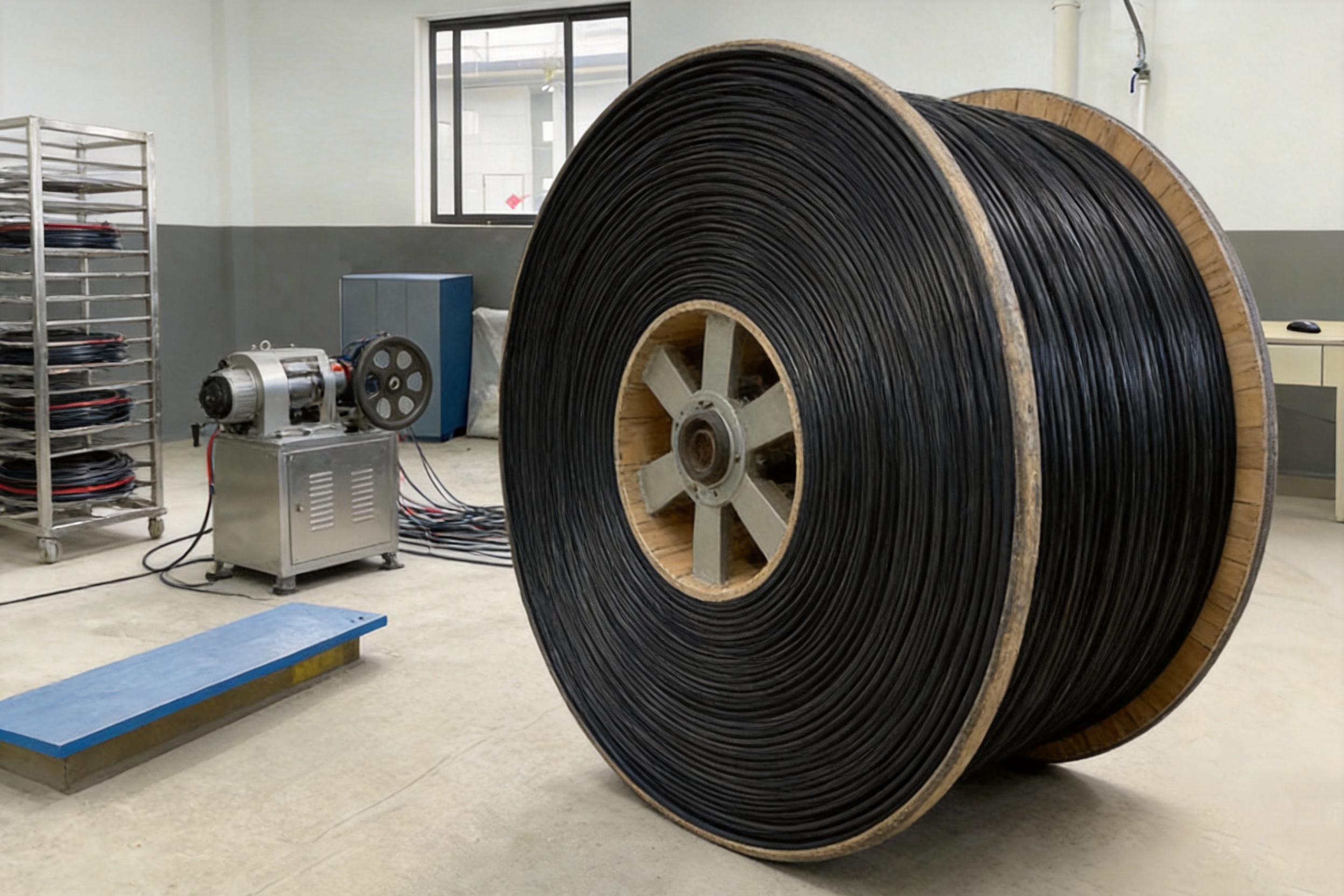
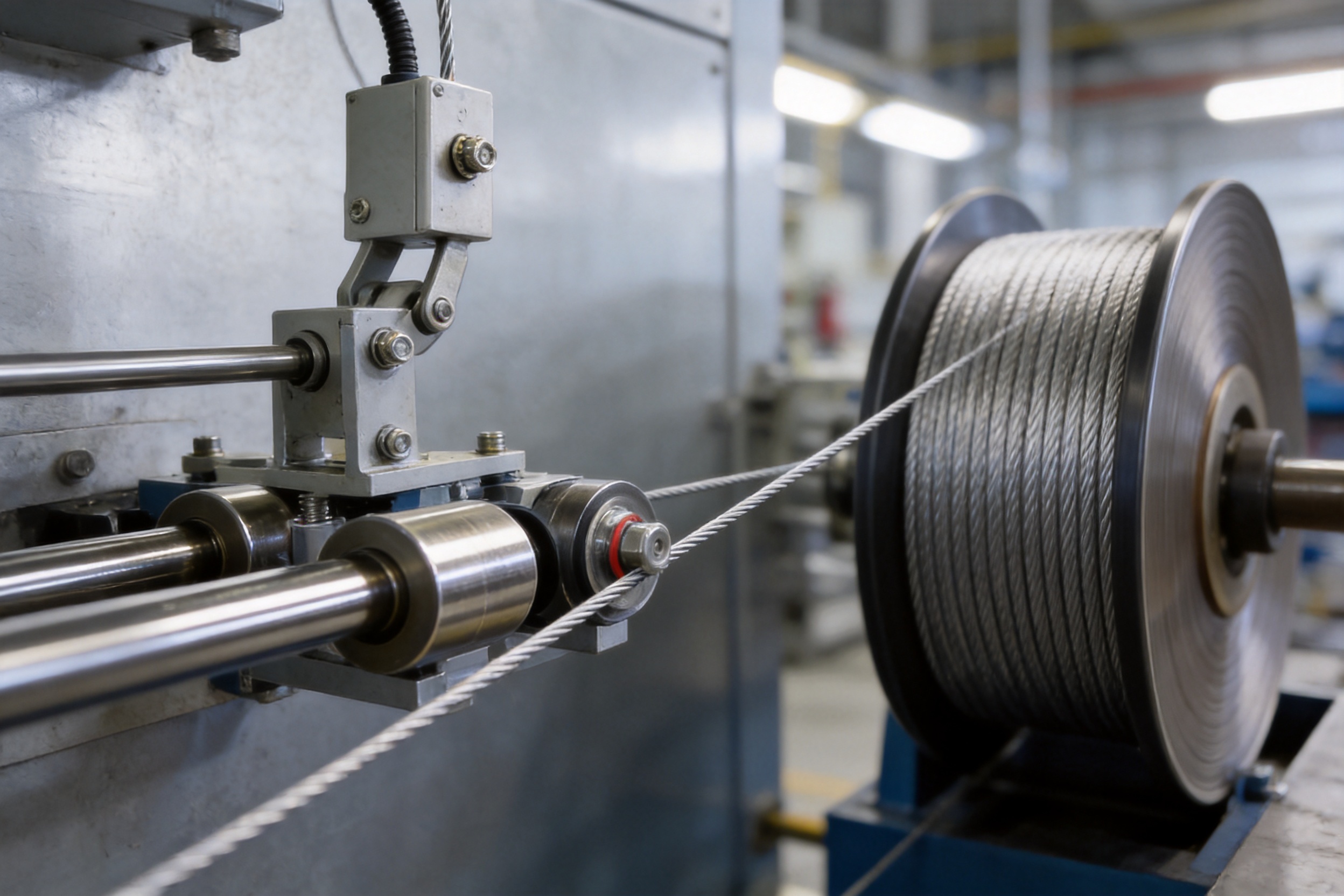
Wire and cable manufacturing depends on control. Conductor quality, insulation performance, dimensional accuracy, winding order, and production speed all influence whether a finished cable meets customer expectations. Among these factors, tension control is especially important because even a well-designed cable can be damaged or poorly packaged when the pulling force is unstable during winding, rewinding, storage, or take-up operations.
Wire Cable Tension Control Systems provide a practical solution for maintaining stable cable tension throughout winding processes. Their primary function is to adjust and regulate the tension applied to a cable in real time. By preventing excessive force and insufficient force, the system helps protect cable structure, improve winding uniformity, reduce material waste, and support consistent production output.
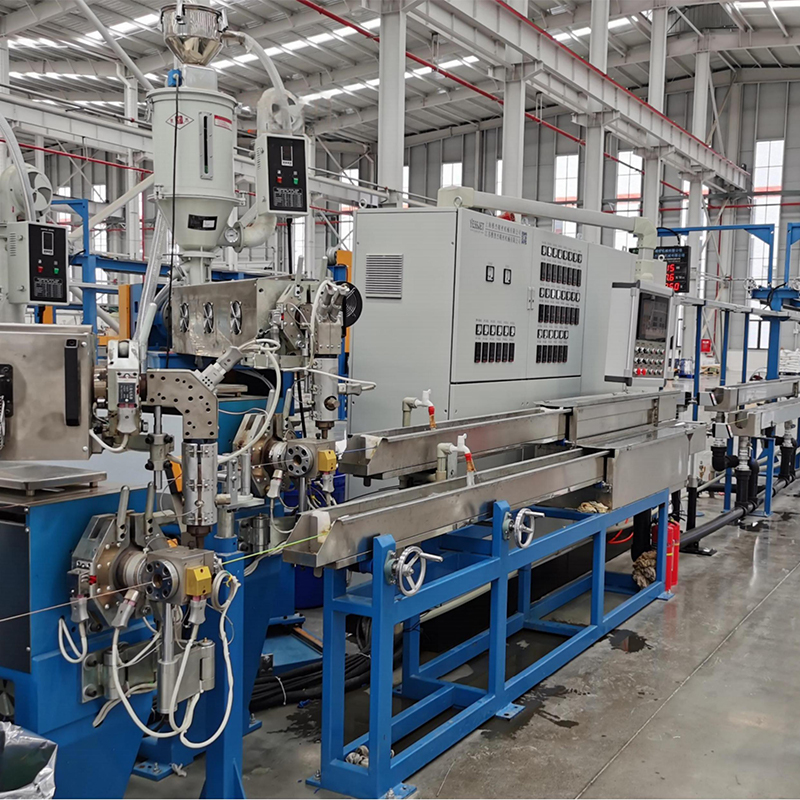
As an accessory equipment solution for cable manufacturing lines, this system can be integrated with storage racks, coiling machines, motorized pay-off equipment, motorized take-up equipment, and other cable-processing machinery. The result is a more coordinated material-handling workflow in which the cable moves smoothly from one process to the next without unnecessary slack, sudden pulling, or uncontrolled accumulation.
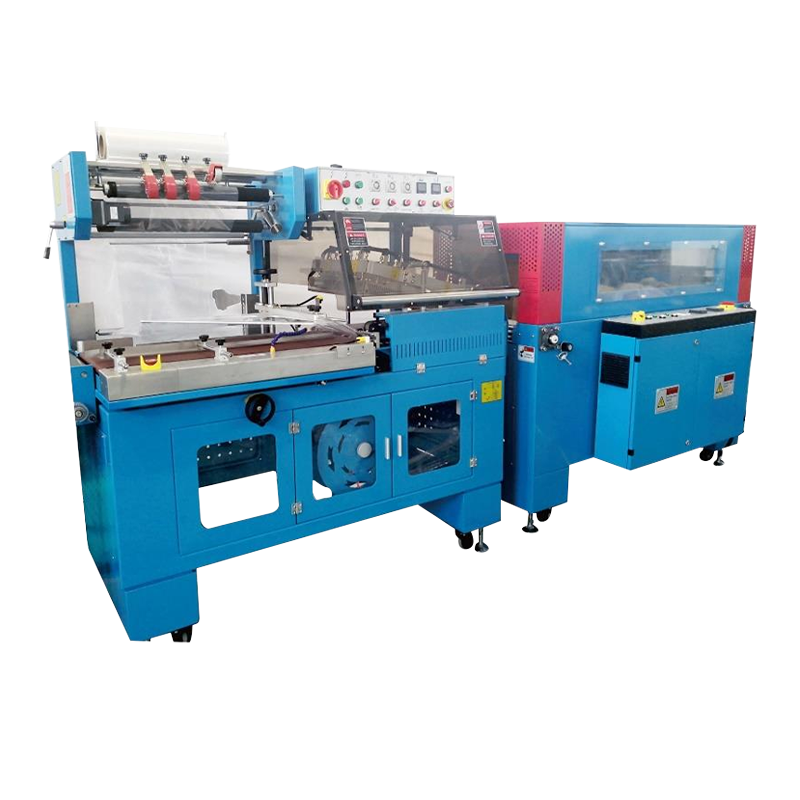
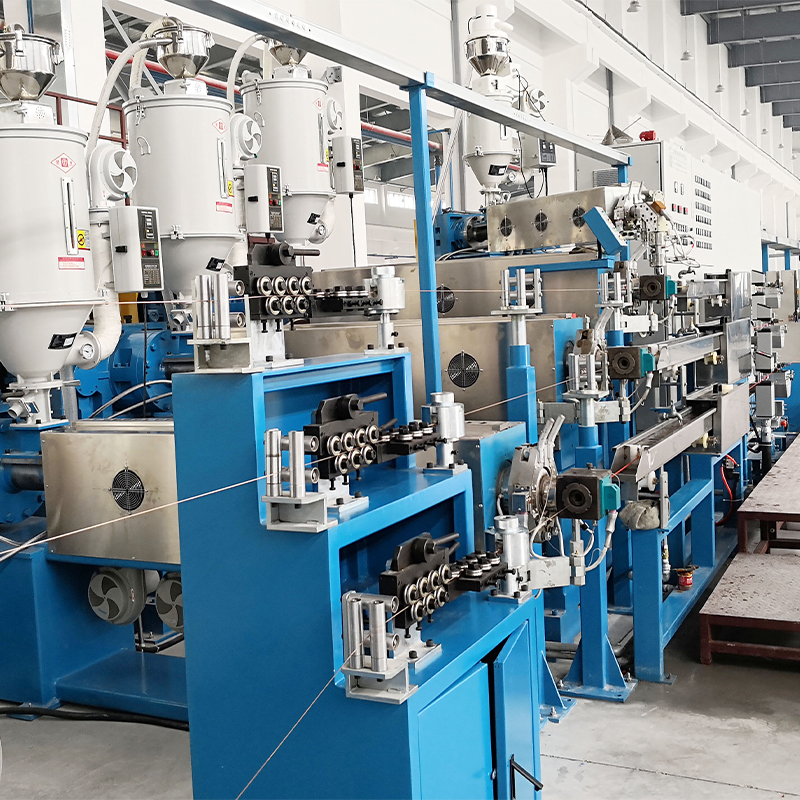
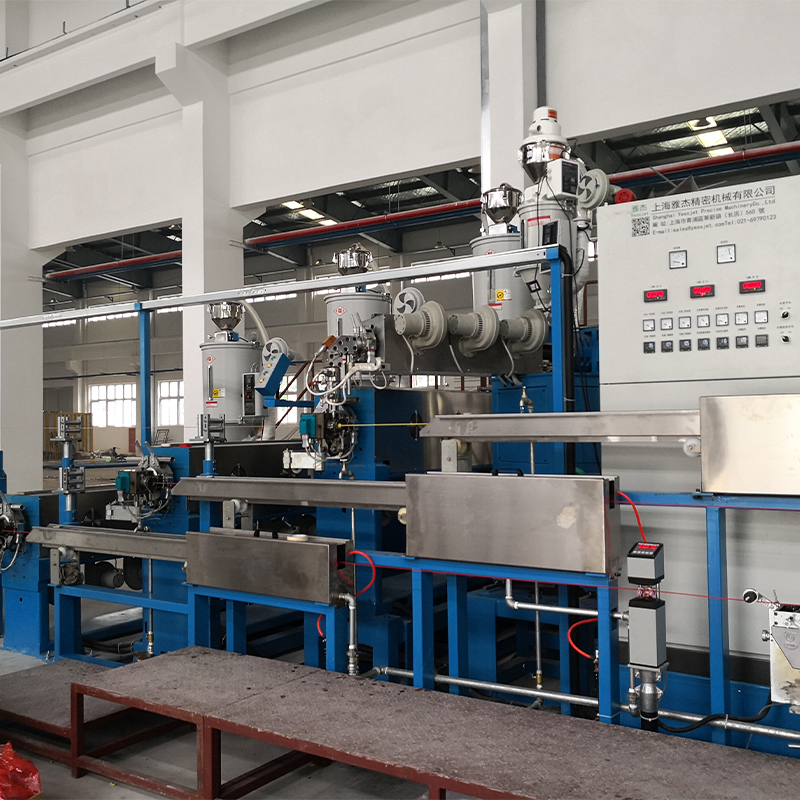
Shanghai Yessjet Precise Machinery Co., Ltd. develops equipment for wire and cable production, including wire and cable extrusion lines, fully automatic coiling and packaging equipment, intelligent robot stackers, coiling machines, motorized pay-off equipment, motorized take-up equipment, accessory equipment, and cable extrusion machines. Within this broader equipment portfolio, its Wire Cable Tension Control Systems are designed to address one of the most common causes of winding defects: unstable tension.
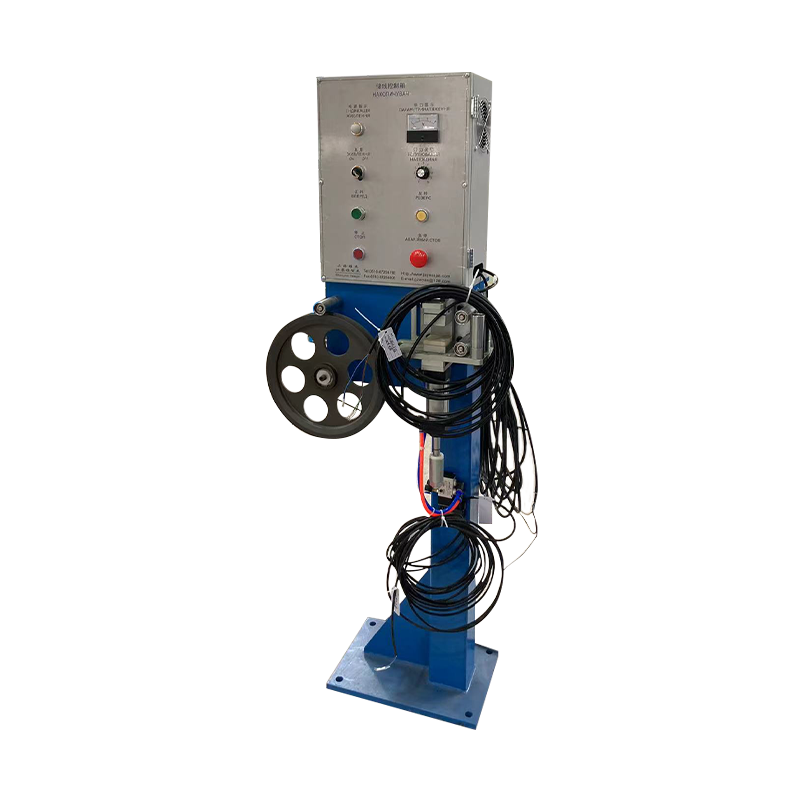
Wire Cable Tension Control Systems
The Role of Tension in Cable Manufacturing
Cable tension is the pulling force applied to a wire or cable as it travels between machines, storage locations, guide components, winding stations, and take-up equipment. The force must be strong enough to keep the cable controlled, but not so strong that the cable is stretched, deformed, or damaged.
If the tension is too high, the conductor may be subjected to unnecessary mechanical stress. Insulation can be compressed, marked, or stretched, particularly when the cable includes delicate protective layers. Fine wires and flexible cables are also more vulnerable to changes in shape when excessive pulling force is applied. Over time, these effects may influence electrical performance, outer diameter, flexibility, and finished-product appearance.
If the tension is too low, the cable may become loose during winding. Loops can form, adjacent turns may overlap irregularly, and the cable may move sideways across the reel or coil. Loose winding makes the finished package unstable and can create difficulties during transportation, storage, unwinding, or installation. In serious cases, a poorly organized coil may require rework or may be rejected by the customer.
Stable tension creates a controlled middle point between these two problems. The cable remains sufficiently taut for orderly winding while avoiding unnecessary stress. This balance is not always easy to maintain manually because line speed, cable diameter, material flexibility, reel fill level, and upstream or downstream equipment conditions can change during operation.
A dedicated tension control system helps compensate for these changes. It provides a structured method for monitoring and adjusting the cable’s pulling force, supporting more repeatable results than a basic uncontrolled winding arrangement.
How Wire Cable Tension Control Systems Work
The system is installed within the cable path and works together with the relevant winding or storage equipment. As the cable moves, the system responds to variations in resistance and cable movement. Its purpose is to keep the tension within a practical operating range selected for the product and production process.
Depending on the complete line configuration, tension regulation may be coordinated with cable guides, storage racks, pay-off units, take-up units, coiling machinery, or other auxiliary devices. The system can help prevent sudden tension peaks when the cable accelerates, reduce slack when the cable slows, and support a more even flow of material between process stages.
The exact configuration can be adapted to the cable type, line layout, operating speed, reel dimensions, and required winding quality. A heavy industrial cable may require a different tension range from a small flexible wire. Likewise, a short coiling operation may have different requirements from a continuous extrusion and take-up line.
The practical working principle is straightforward. The cable passes through a controlled route, the system detects or responds to changes in cable movement and resistance, and the tension is adjusted so that the cable remains stable. This controlled movement reduces the chance of uncontrolled slack or excessive pulling during winding.
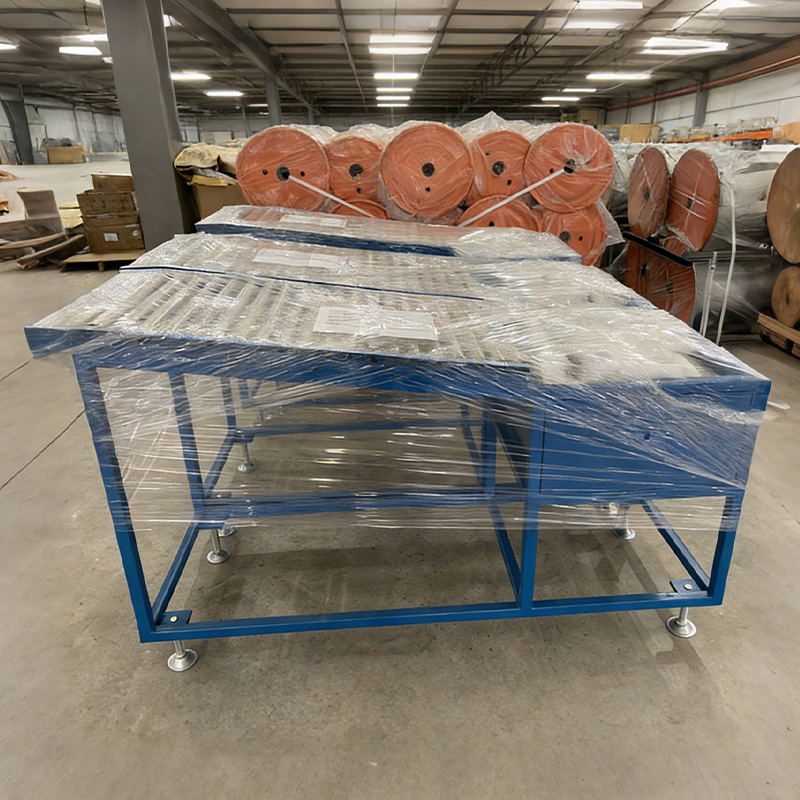
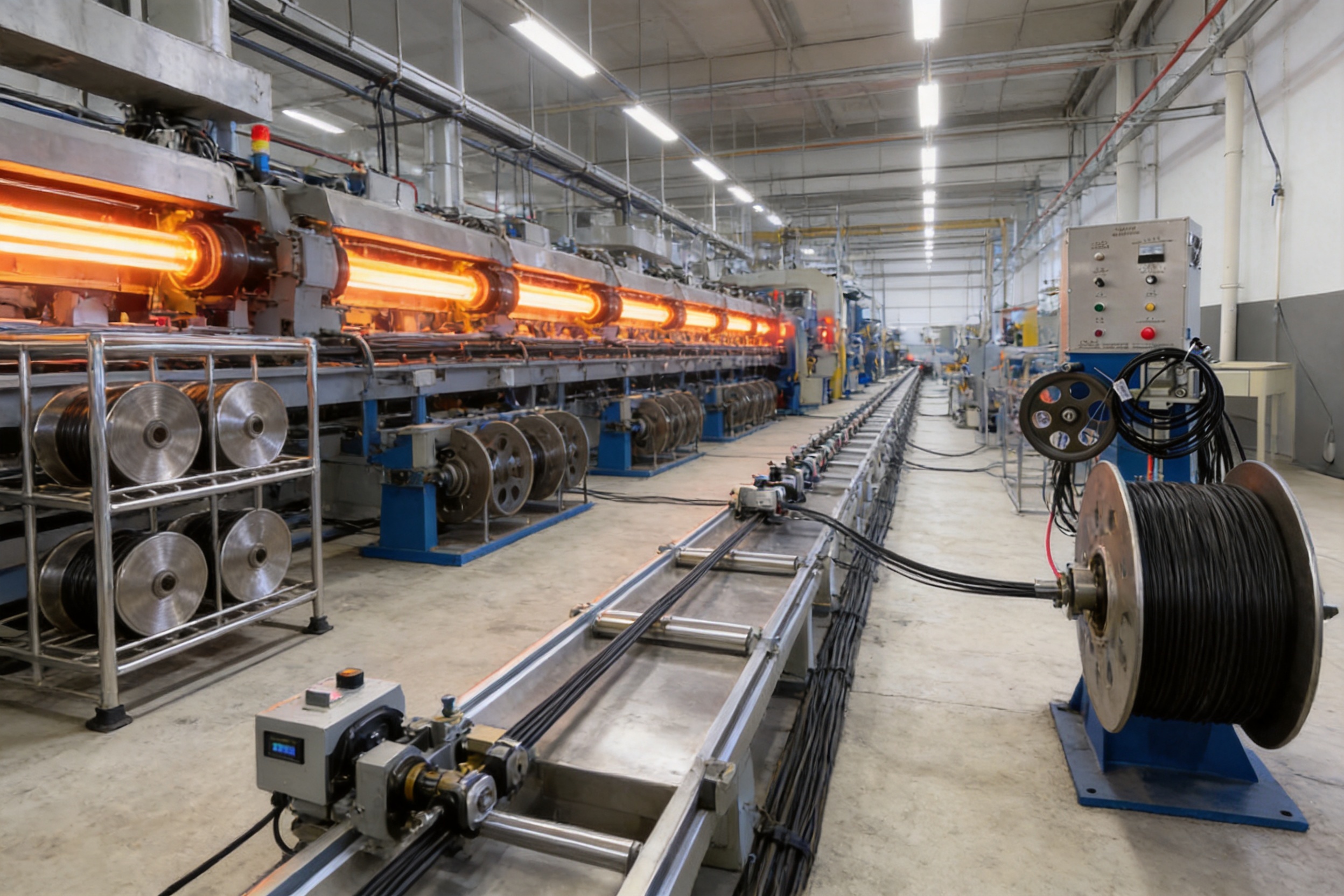
When paired with a storage rack, the tension control system also supports temporary cable accumulation. Storage racks can provide a buffer between production stages, while tension regulation helps prevent the cable from becoming tangled, over-pulled, or loosely arranged within the storage area. This makes the overall workflow more orderly and easier to manage.
Main Advantages of the Equipment
Precise Regulation of Cable Tension
The central advantage of the Wire Cable Tension Control System is its ability to regulate cable