LANGUAGE
 中文简体
中文简体 русский
 Français
 Español
 Português
 عربى
عربى
Content
- 1 What Is a Fully Automatic Coiling, Binding and Wrapping Machine?
- 2 Main Applications in Wire, Cable and Flexible Product Manufacturing
- 3 Working Principle and Automatic Production Sequence
- 4 Key Technical Specifications
- 5 Advantages Compared with Manual and Partially Automated Equipment
- 6 Advantages Compared with Conventional Competitor Solutions
- 7 Advanced Manufacturing and Engineering Strengths
- 8 How the Machine Supports Factory Automation
- 9 Installation and Production Planning Considerations
- 10 Maintenance and Long-Term Reliability
- 11 Quality, Safety and Production Benefits
- 12 Economic Value and Return on Investment
- 13 Recommended Selection Process
- 14 Frequently Asked Questions
- 14.1 What products can this machine coil and bind?
- 14.2 What is the working range of the CB1040 model?
- 14.3 Can the machine operate continuously?
- 14.4 What binding materials can be used?
- 14.5 Can it be connected to a heat-shrink packaging machine?
- 14.6 Does automatic operation eliminate the need for workers?
- 14.7 How does this equipment improve packaging consistency?
- 14.8 Is the machine suitable for a new cable production line?
- 14.9 What should be confirmed before purchasing?
- 14.10 Why is integrated equipment preferable to separate machines?
- 15 Conclusion
- 16 References
- 17 Product: Fully Automatic Coiling Binding & Wrapping Machine
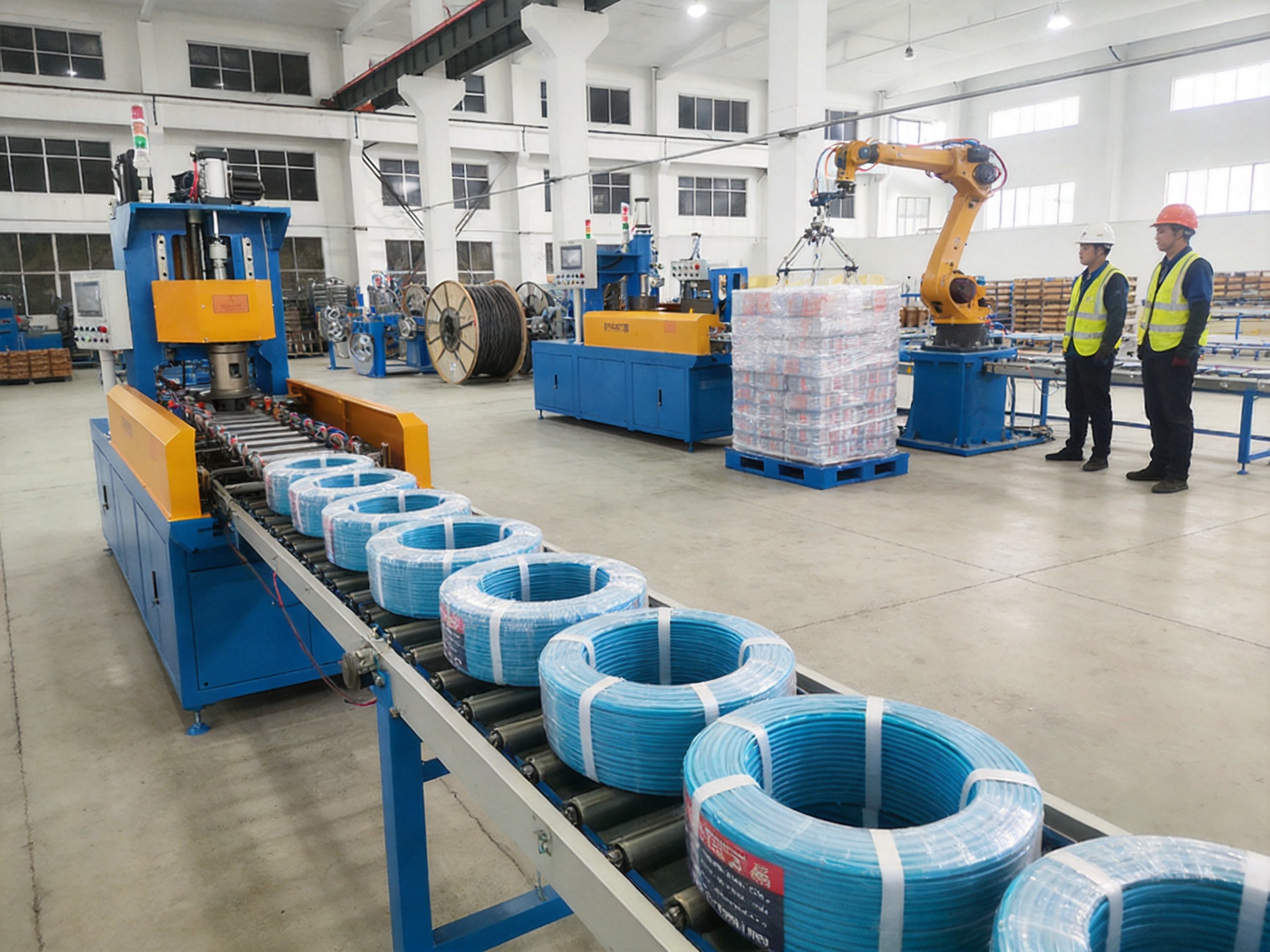
Modern wire and cable manufacturers are under constant pressure to increase output, improve product consistency, reduce labor dependence and maintain reliable packaging quality. As cable products become more diverse and production volumes continue to rise, manual coiling and binding operations can become a serious limitation. Operators must repeatedly form coils, control the coil diameter, position the cable, apply binding material, cut the finished product and transfer it to the next packaging stage. These tasks require time, physical effort and careful attention, yet they may still produce inconsistent results when performed manually or with partially automated equipment.
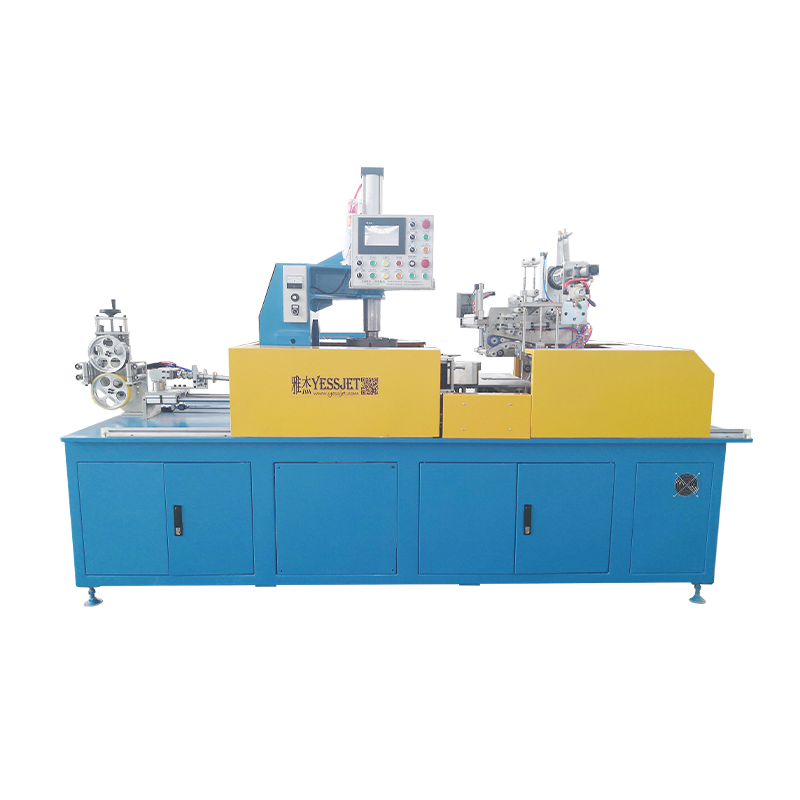
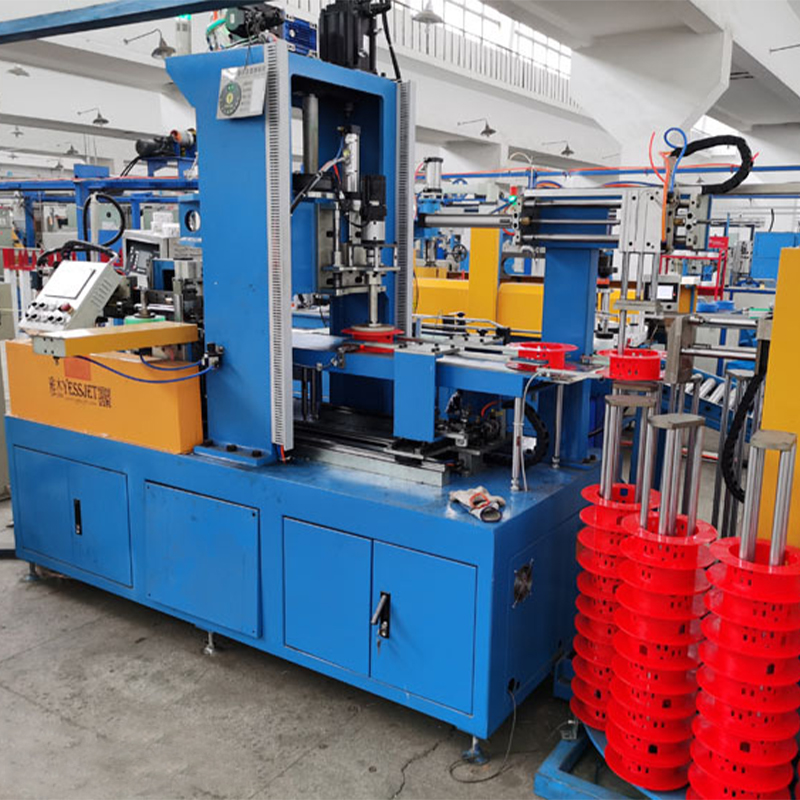
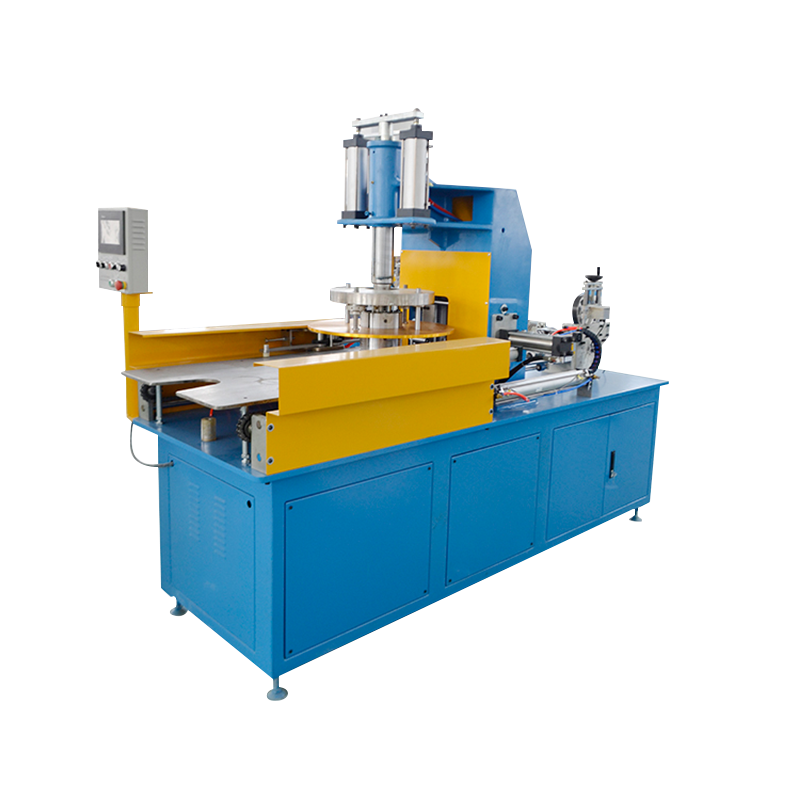
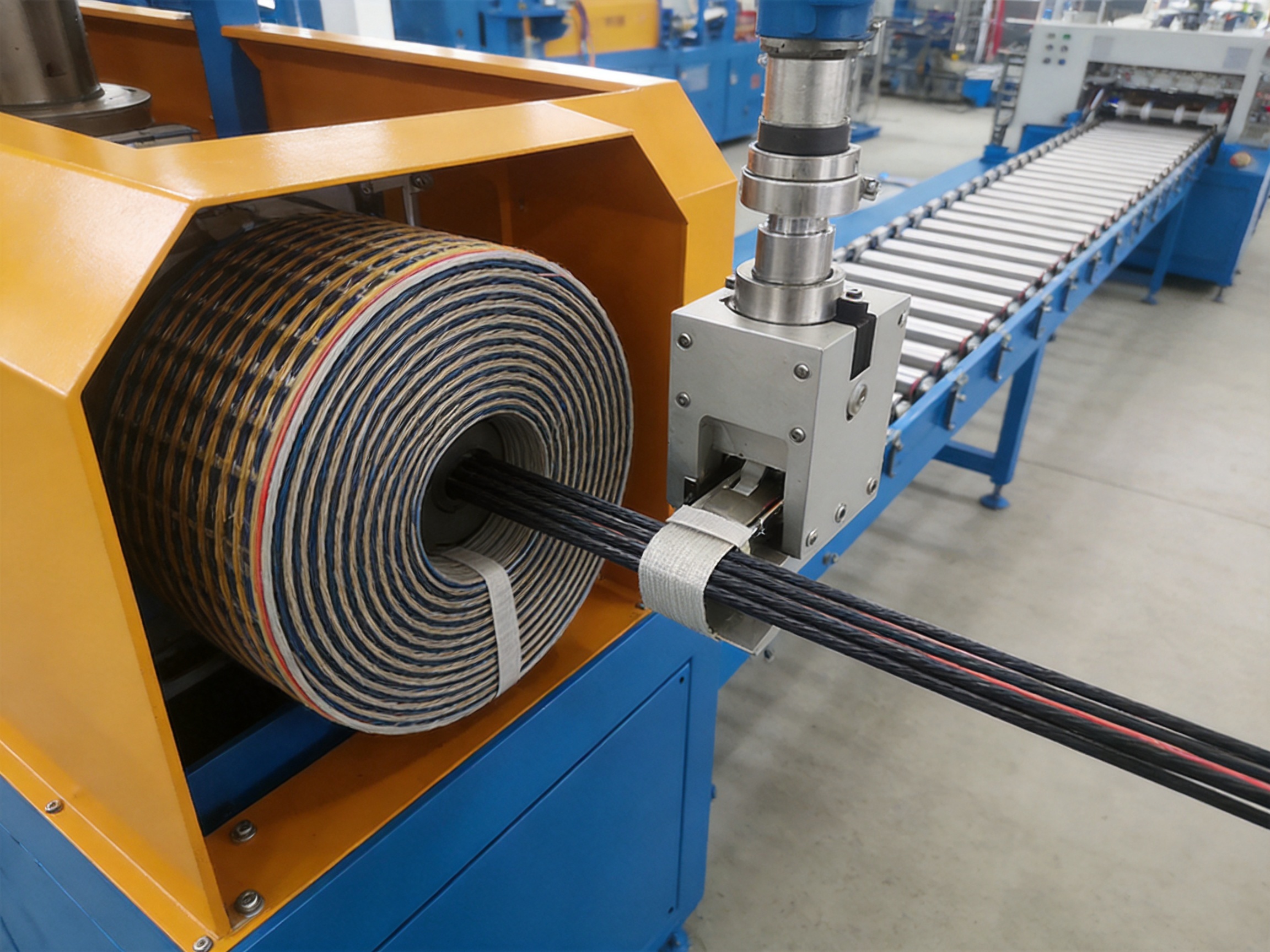
The fully automatic coiling, binding and wrapping machine is designed to address these challenges by combining several production steps in one coordinated system. The equipment automatically coils wires, cables, hoses and other flexible products, moves the coil into the correct position, applies binding material, completes cutting and transfers the finished coil for collection or further packaging. By integrating these functions, the machine helps manufacturers establish a more continuous, efficient and controlled production process.
This equipment is suitable for cable processing plants, wire harness manufacturers, electronics factories, electrical component producers and other industrial operations that require repeatable coil formation and secure product bundling. Its compact structure, continuous working capability and compatibility with downstream heat-shrink packaging equipment make it a practical solution for high-volume manufacturing environments.
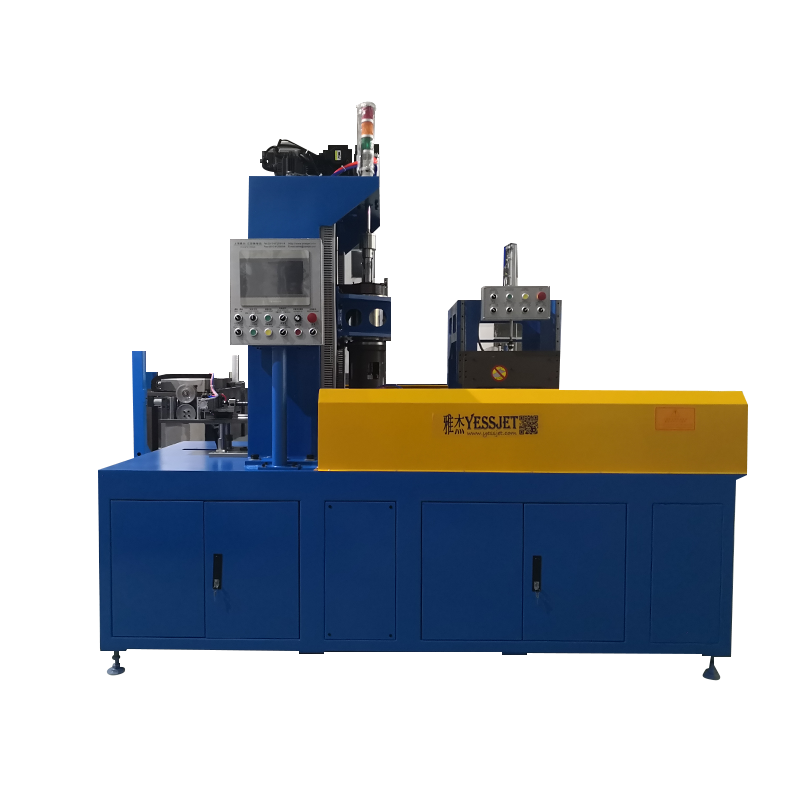
Fully Automatic Coiling Binding & Wrapping Machine
What Is a Fully Automatic Coiling, Binding and Wrapping Machine?
A fully automatic coiling, binding and wrapping machine is an industrial automation system used to form flexible products into coils and secure them with binding or wrapping materials. Depending on the production configuration, the binding material may include adhesive tape, cable ties, straps or other suitable securing media. The machine performs the major stages of coil packaging without requiring an operator to manually arrange and tie each individual coil.
The basic operating sequence begins when the wire or cable enters the coiling mechanism. The machine controls the coiling movement to form a coil with the required inner diameter, outer diameter and height. After the coil reaches the preset size or length, the system automatically transfers or positions it for binding. The binding unit then applies the selected securing material at the programmed location. The material is cut, the finished coil is released and the product is sent to the collection or packaging area.
This integrated approach is important because coiling and binding are closely related operations. When these processes are separated, workers or additional handling systems must transfer the coil between stations. Such transfers can cause deformation, tangling, inconsistent binding positions or unnecessary production interruptions. By combining the functions in one machine, the equipment can reduce handling and help preserve the shape of the coil from formation through final output.
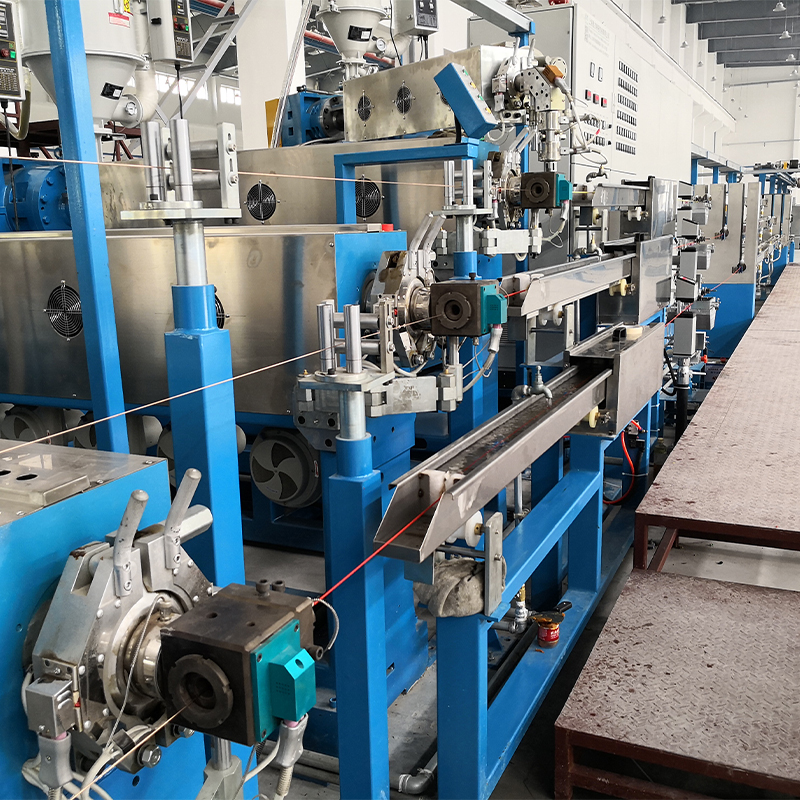
The machine is particularly valuable for products that are produced continuously and need to be packaged immediately after extrusion, drawing, insulation, jacketing or other cable manufacturing stages. It can be installed as an independent packaging machine or connected with related production equipment, including heat-shrink packaging systems and cable extrusion lines.
Main Applications in Wire, Cable and Flexible Product Manufacturing
The equipment is primarily intended for wires and cables, but its working principle can also be applied to many flexible industrial products. Typical applications include power cables, control cables, electrical wires, communication cables, data cables, automotive wires, appliance wires, flexible tubes and hoses. The exact application depends on the product diameter, flexibility, surface condition, coil dimensions and selected binding method.
In cable processing, the machine can be placed after an extrusion or measuring stage. Once a predetermined cable length has been produced, the cable is directed into the coiling mechanism. The machine forms the coil, secures it and prepares it for shipment or additional packaging. This arrangement is especially useful for cable products sold in standard coil lengths, where uniform appearance and consistent package dimensions are important.
Wire harness manufacturers can use the system to organize groups of flexible conductors or finished harness components before storage and transport. Electronics manufacturers may benefit from the machine when producing large quantities of small-diameter wires that must be packaged quickly and consistently. Hose and tubing manufacturers can also use similar coiling principles, provided that the product characteristics fall within the machine’s working range.
In high-volume factories, packaging speed can determine the overall production capacity of the line. A fast extrusion process is of limited value if operators must manually coil and bind the finished cable. Automatic packaging equipment helps balance the production line by allowing the final packaging stage to keep pace with upstream manufacturing equipment.
Working Principle and Automatic Production Sequence
Automatic Cable Feeding
The production cycle begins with controlled cable feeding. The incoming wire or cable is guided toward the coiling unit through a suitable entrance path. Stable feeding is important because irregular tension, sudden changes in speed or poor alignment can affect the final coil shape. The machine is designed to coordinate the incoming product with its coiling movement, helping produce an orderly package.
Depending on the production arrangement, the cable may be supplied directly from an extrusion line, a measuring system, a take-up machine or another upstream device. The machine can therefore be incorporated into a broader wire and cable production solution rather than operating only as an isolated piece of equipment.
Controlled Coiling
During the coiling stage, the machine forms the cable into a circular or organized coil. The product is guided and arranged according to the selected size parameters. The CB1040 model, for example, is specified for coil heights from 50 to 100 millimeters, outer diameters from 180 to 400 millimeters, inner diameters from 140 to 200 millimeters and wire diameters from 1 to 8 millimeters. Its listed operating speed reaches up to 1,000 revolutions per minute, subject to product conditions and production settings.
Accurate coiling is essential for both appearance and downstream handling. A poorly formed coil may become loose, cross over itself or occupy more space than expected. A controlled coiling process helps create a more uniform finished package, making the product easier to store, transport and identify.
Automatic Coil Positioning
After the required coil size has been reached, the machine automatically moves or positions the coil for the binding operation. This step eliminates the need for an operator to manually lift, rotate or align the coil. Automatic positioning also helps ensure that the binding material is applied at a consistent location on each package.
Consistent positioning is a major advantage in automated production. Even when the coil itself is formed correctly, inaccurate placement can lead to binding that is too close to the edge, too loose, too tight or poorly aligned. The integrated positioning function contributes to stable packaging quality over long production runs.
Automatic Binding and Wrapping
The binding unit applies the selected securing material to hold the cable coil together. Depending on the production requirement, this material may be adhesive tape, a strap, a cable tie or another compatible binding solution. The objective is to prevent the coil from opening or becoming disorganized during handling, storage and transportation.
The binding process is coordinated with the coil position and production cycle. This makes it possible to repeat the same binding action on each coil without relying on individual operator judgment. In applications requiring multiple binding points, the configuration may be adjusted to support the required arrangement and product stability.
Automatic Cutting and Output
Once binding is completed, the machine cuts the cable or binding material as required and releases the finished product. The output can be directed to a collection area, conveyor, packing station or heat-shrink packaging machine. Automatic output reduces the time between one coil and the next and helps maintain a continuous production rhythm.
The complete sequence of coiling, positioning, binding, cutting and output allows the machine to function as a compact automated packaging cell. It reduces repeated manual handling and allows operators to focus on supervision, material replenishment, quality checks and production management.
Key Technical Specifications
The following specifications represent the available working range for the CB1040 model. Actual performance may vary according to cable material, product stiffness, feeding conditions, binding material, coil length and operating configuration. Manufacturers should confirm product compatibility before final equipment selection.
| Item | Specification |
|---|---|
| Model | CB1040 |
| Coil height | 50 to 100 millimeters |
| Coil outer diameter | 180 to 400 millimeters |
| Coil inner diameter | 140 to 200 millimeters |
| Applicable wire diameter | 1 to 8 millimeters |
| Maximum listed speed | Up to 1,000 revolutions per minute |
| Primary functions | Coiling, positioning, binding, wrapping, cutting and output |
| Typical materials | Wires, cables, hoses and other flexible products |
These parameters provide a practical reference for production planning. The applicable wire diameter range allows the machine to serve a variety of cable products, while the adjustable inner and outer diameters support different package sizes. The coil height range is also important for manufacturers that need to produce compact coils for retail, industrial or transportation purposes.
Advantages Compared with Manual and Partially Automated Equipment
Higher Productivity
The most direct advantage is increased production efficiency. Manual coiling and binding require an operator to repeat several physical actions for every package. The time required for each package may vary according to cable stiffness, coil size, worker experience and fatigue. An automatic machine performs the same sequence repeatedly and can maintain a more stable cycle time.
Continuous operation is especially valuable when the upstream extrusion or cable processing line is producing material at a steady rate. The machine can reduce bottlenecks at the packaging stage and support a larger daily output without requiring a proportional increase in labor.
More Consistent Coil Quality
Uniform package formation is difficult to maintain when every coil is handled manually. Differences in winding tension, alignment and binding position can make some coils loose while others are excessively tight. Automated movement and positioning help reduce these variations.
Consistent coil dimensions also improve warehouse utilization. When packages have similar sizes, they can be stacked, arranged and transported more efficiently. Standardized packages may also simplify labeling, inventory management and customer presentation.
Reduced Labor Requirements
The machine reduces the amount of repetitive manual work associated with coiling and binding. Operators do not need to manually rotate every coil, apply each binding point or transfer every package from one station to another. This can reduce physical strain and allow the factory to assign personnel to higher-value tasks such as quality inspection, process monitoring and maintenance.
Labor reduction does not necessarily mean eliminating human involvement. Instead, the operator’s role changes from repetitive handling to supervision and control. This approach can improve workplace organization while keeping skilled personnel involved in production management.
Less Floor Space
A separate coiling station, manual binding area, transfer table and packaging station can occupy significant floor space. By combining several functions into one integrated machine, the fully automatic system can reduce the footprint of the packaging process.
Space efficiency is particularly important for factories that are expanding production within an existing building. A compact integrated unit may allow manufacturers to increase capacity without immediately undertaking major construction or relocating other equipment.
Improved Production Continuity
When coiling and binding are performed as separate manual operations, production may stop frequently while operators prepare the next package. An automatic sequence helps reduce interruptions and supports a more continuous workflow.
Non-stop or near-continuous production is beneficial for long production orders, standardized cable lengths and high-volume product families. The exact operating mode depends on cable supply, coil requirements, material replenishment and the selected production controls, but the integrated design provides a stronger foundation for uninterrupted operation.
Better Integration with Downstream Packaging
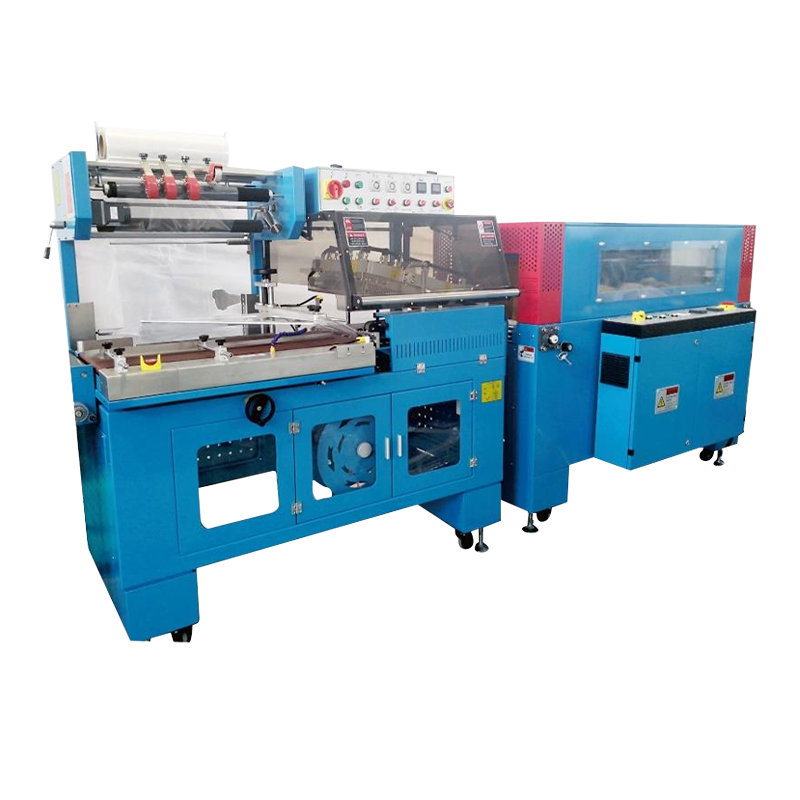
The machine can be connected with a heat-shrink packing machine to create a more complete cable packaging process. After the coil is formed and secured, it can proceed directly to heat-shrink packaging without requiring a worker to manually transfer and prepare it.
This type of integration can improve package protection, appearance and handling efficiency. Heat-shrink film may help protect the coil from dust, moisture and surface contamination while also providing space for labels, product information or retail presentation.
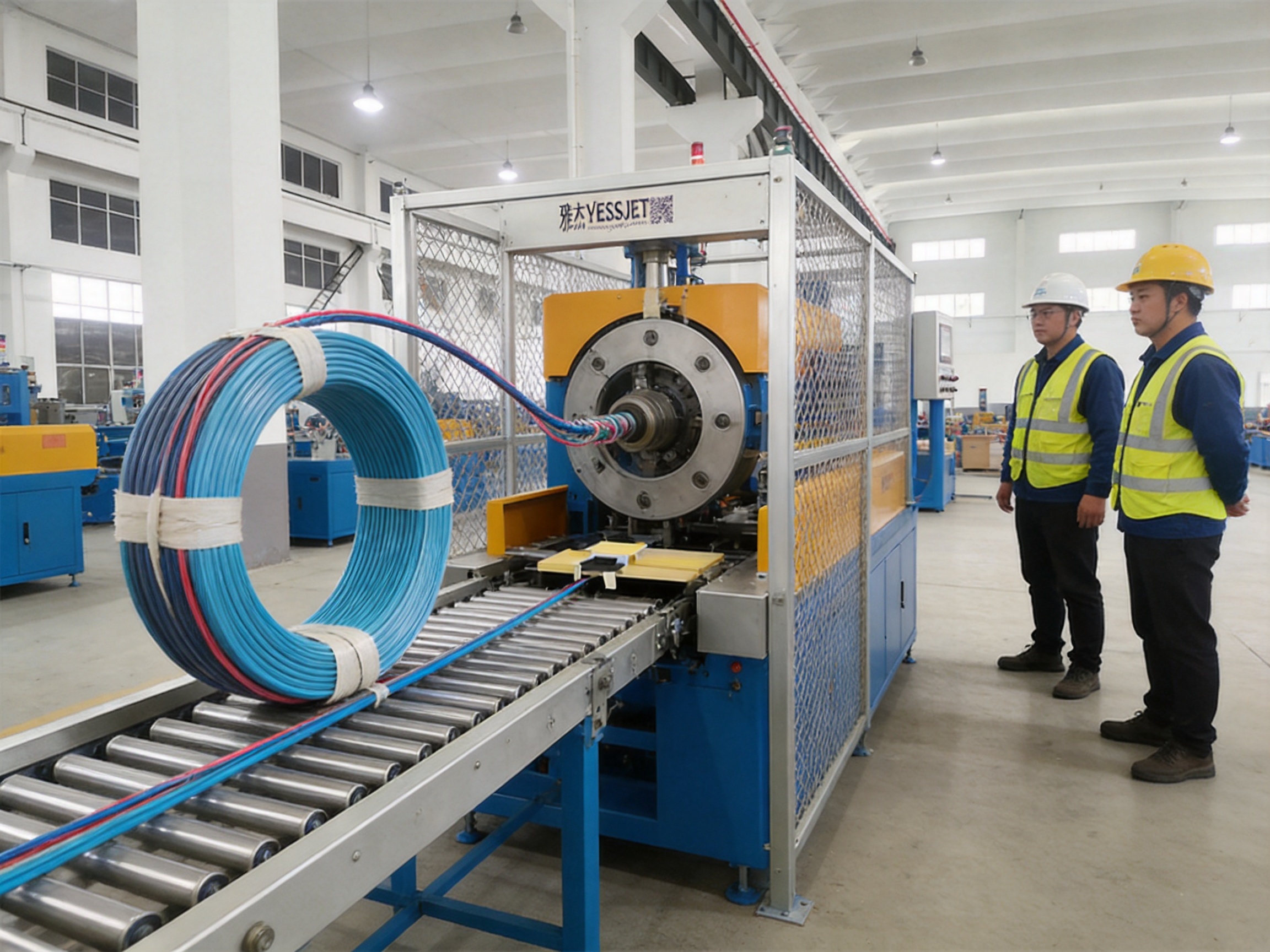
Advantages Compared with Conventional Competitor Solutions
Not every coiling machine offers the same level of automation. Some competing solutions focus only on winding and require separate manual binding. Others provide a binding function but rely on manual coil positioning or operator-controlled output. These arrangements may appear economical at the initial purchase stage, but they can create additional labor, floor-space and coordination costs over the equipment’s service life.
The fully automatic coiling, binding and wrapping machine has an advantage because it addresses the complete sequence rather than solving only one part of the packaging problem. Coiling, movement, positioning, binding, cutting and output are designed to work together. This reduces the number of manual handoffs and limits the risk that one process will operate faster or slower than another.
Another competitive advantage is the focus on continuous production. A machine that requires frequent manual resetting or unloading may not provide the same practical output as an integrated system designed for repeated automatic cycles. Continuous binding helps maintain a stable workflow and can improve the utilization of upstream cable production equipment.
The machine also offers a more efficient use of factory space. Instead of installing multiple independent machines and transfer stations, manufacturers can use a coordinated unit with a compact layout. This can simplify material flow and reduce the distance between production stages.
Automation consistency is another important distinction. Manual operations depend heavily on worker technique, attention and physical condition. The automatic system applies programmed movements and repeatable process steps, helping manufacturers achieve more consistent coil dimensions and binding quality from one production batch to the next.
Finally, the equipment is suitable for integration into a broader wire and cable production solution. It can be combined with extrusion equipment, motorized pay-off systems, motorized take-up systems, measuring devices, heat-shrink packers and material handling equipment. This makes it more adaptable for factories planning gradual automation or a complete production line.
Advanced Manufacturing and Engineering Strengths
The performance of an automatic packaging machine depends not only on its visible structure but also on the quality of its engineering, assembly and testing processes. A reliable machine requires accurate mechanical components, stable control logic, appropriate material selection and careful coordination between the coiling and binding systems.
Application-Oriented Mechanical Design
The machine is developed around the practical requirements of wire and cable production. Cable products are flexible, continuously moving and often sensitive to bending radius, surface pressure and tension. The coiling path must therefore guide the product without causing unnecessary deformation or surface damage.
Mechanical components are selected and arranged to support stable product movement and repeatable coil formation. The working range of the equipment is defined by key parameters such as wire diameter, inner coil diameter, outer coil diameter and coil height. These parameters provide a structured basis for matching the machine to different product specifications.
Integrated Process Engineering
Coiling and binding cannot be designed as unrelated functions. The coil must arrive at the binding position in a stable condition, and the binding cycle must be synchronized with product movement. Engineering the complete process as one system helps reduce timing conflicts, unnecessary transfers and repeated manual corrections.
Integration also improves the potential for future production-line expansion. When the machine is designed to communicate with upstream and downstream equipment, it becomes easier to create a coordinated line rather than a group of disconnected stations.
Precision Assembly
Precision assembly is important for maintaining alignment between moving parts. Small deviations in guides, rotating components or binding mechanisms can influence coil shape and package stability. Careful assembly helps ensure that the machine operates smoothly and that each subsystem performs its intended function.
During assembly, attention should be given to the alignment of the coiling mechanism, cable guides, binding head, cutting unit and output path. Proper alignment reduces friction, vibration and irregular movement. It also helps extend component life and makes routine maintenance more predictable.
Control and Automation Development
The control system coordinates feeding, coiling, positioning, binding, cutting and output. A well-designed control sequence is essential for achieving repeatable operation. It should allow production staff to establish suitable parameters for different cable products and change between product specifications efficiently.
Automation controls also support fault detection and operational monitoring. If a cable is not positioned correctly, binding material is unavailable or a process step is not completed, the system can be configured to stop or alert the operator before defective packages accumulate.
Factory Testing and Process Verification
Before delivery, equipment should be tested for mechanical movement, automatic sequencing, binding action, cutting performance and output stability. Product trials are valuable because different cables behave differently during coiling. Testing with representative materials helps verify that the machine is suitable for the customer’s actual production requirements.
Process verification may include checking coil dimensions, binding position, package tightness, cycle stability and compatibility with downstream equipment. These tests help identify adjustments that should be completed before installation at the customer’s factory.
Turnkey Production-Line Capability
The manufacturer’s product range includes wire and cable extrusion lines, coiling packaging equipment, intelligent robot stackers, coiling machines, motorized pay-off equipment, motorized take-up equipment, cable extrusion machines and accessory equipment. This broader capability is valuable for customers seeking coordinated production solutions.
Instead of purchasing unrelated machines from multiple suppliers, a manufacturer may be able to obtain several line components from one engineering source. This can simplify technical communication, equipment matching, layout planning and after-sales coordination. It can also make it easier to develop a customized line according to cable type, production speed, package format and available factory space.
How the Machine Supports Factory Automation
Automation is most effective when it improves the entire material flow rather than simply adding a single automatic function. The fully automatic coiling, binding and wrapping machine can serve as an important connection between cable production and final packaging.
At the upstream end, the machine may receive cable from an extrusion line, a take-up device or a controlled measuring system. At the downstream end, it may discharge finished coils to a heat-shrink packaging machine, conveyor, palletizing system or intelligent robot stacker. This allows manufacturers to build a staged automation strategy.
A factory may initially install the machine as a standalone automatic coiler and binder. Later, it can add automatic heat-shrink packaging, robotic stacking or warehouse handling. This gradual approach allows companies to improve production efficiency in phases while managing investment according to business growth.
Automation also supports production data management. When the equipment is connected to a wider control system, manufacturers may be able to record production quantities, product specifications, cycle counts, stoppage events and maintenance information. Such data can help identify bottlenecks and support more informed production decisions.
Installation and Production Planning Considerations
Product Compatibility
Before installation, the manufacturer should confirm the cable diameter, material, flexibility, surface finish, minimum bending radius and required coil dimensions. The CB1040 model is listed for wire diameters from 1 to 8 millimeters, but the actual suitability of a product should be verified through technical discussion and sample testing.
Products with unusual stiffness, soft insulation, high surface friction or special protective layers may require different feeding or binding settings. It is important to evaluate the complete product range rather than selecting equipment based only on the smallest or largest cable diameter.
Required Coil Dimensions
The finished coil’s inner diameter, outer diameter and height must match customer requirements, storage systems and downstream packaging equipment. These dimensions influence material consumption, transport density and package appearance.
Manufacturers should prepare a list of standard coil sizes and identify the frequency of product changes. If the production line handles many specifications, quick adjustment and clear parameter management become increasingly important.
Binding Material Selection
The selected binding material should hold the coil securely without damaging the cable surface. Adhesive tape may be suitable for certain applications, while straps or cable ties may be preferred for others. The choice depends on product weight, flexibility, storage duration, transportation conditions and customer expectations.
Binding material availability should also be considered during production planning. The machine can only maintain continuous operation if the binding material is replenished in a timely manner and stored under appropriate conditions.
Line Layout
The equipment should be positioned so that cable feeding, operator access, finished-coil removal and maintenance can be completed safely and efficiently. Sufficient space should be reserved around the machine for inspection, adjustment and component replacement.
If the machine will be connected to a heat-shrink packaging system or robotic stacker, the complete line layout should be developed before installation. Coordinating the height, direction and transfer position of each unit can reduce later modifications.
Operator Training
Although the machine reduces manual labor, operators still require training. Training should cover startup and shutdown procedures, product parameter selection, binding-material replacement, routine inspection, safety protection and fault response.
Well-trained operators can identify unusual noise, irregular coil formation, binding problems or feeding instability before these issues become major production interruptions. Training also helps ensure that the machine is used within its intended operating range.
Maintenance and Long-Term Reliability
Regular maintenance is essential for preserving the performance of an automatic coiling and binding machine. Preventive maintenance should include cleaning, inspection of cable guides, checking of moving components, examination of binding and cutting mechanisms and verification of fasteners and alignment.
Accumulated dust, insulation particles or binding-material residue may influence product movement and cutting performance. Keeping the working area clean helps protect the moving parts and maintain stable operation.
Operators should also monitor coil shape and binding quality. A change in package appearance may indicate wear, misalignment, incorrect settings or a material-supply problem. Early investigation can reduce downtime and prevent large quantities of defective packages.
Maintenance schedules should be based on operating hours, production volume and product conditions. High-speed or continuous applications may require more frequent inspection than occasional production. A clear maintenance record can help identify recurring issues and guide the replacement of wear components.
Quality, Safety and Production Benefits
Automated packaging contributes to quality control by reducing variation between packages. Consistent coil dimensions and binding positions make it easier to inspect finished products and identify deviations. Standardized packaging also supports clearer product labeling and more reliable customer delivery.
From a safety perspective, reducing repetitive manual handling can lower the physical burden placed on operators. Workers no longer need to repeatedly lift, rotate and bind every coil by hand. The machine should still be operated with suitable guarding, emergency-stop devices and safe access procedures.
Production safety depends on the complete system. Cable feeding, rotating components, binding mechanisms and cutting units should be treated as potential hazard areas. Operators must follow the equipment manual and site safety rules, and guards should not be removed during normal operation.
The machine can also support cleaner production organization. A defined automatic output path reduces loose cable accumulation around the work area. Better material flow can make the factory easier to supervise and can reduce the risk of products becoming mixed or damaged.
Economic Value and Return on Investment
The value of automatic coiling and binding should be evaluated through the complete production cost, not only the purchase price. Important factors include labor savings, increased output, reduced rework, lower product handling requirements, improved package consistency and better use of factory space.
For high-volume manufacturers, even a small reduction in cycle time can produce a substantial annual capacity increase. If the machine allows the same workforce to handle more production, the investment may contribute to improved operating efficiency. Reduced manual handling can also lower the likelihood of package deformation and binding errors.
Integration with heat-shrink packaging or robotic stacking may create additional value. A finished coil that moves directly through several automated stages requires fewer manual transfers and may reach the warehouse or shipping area faster.
Return on investment depends on actual operating conditions, including production hours, cable types, labor costs, package volume and the level of line integration. A detailed evaluation should compare the existing manual or semi-automatic process with the expected automatic workflow.
Recommended Selection Process
The first step is to identify the products that require automatic coiling and binding. Manufacturers should list cable diameters, insulation materials, standard lengths, coil dimensions, daily production volume and binding requirements.
The second step is to review the available machine range and compare the working parameters with the product list. The selected model should cover the required dimensions while providing suitable adjustment capacity for future products.
The third step is to conduct sample testing. Representative cable samples should be used to evaluate coiling quality, binding strength, output speed and compatibility with the proposed packaging material. Sample testing is particularly important when the product has unusual flexibility or surface characteristics.
The fourth step is to plan the complete production line. The manufacturer should determine how cable will enter the machine, where finished coils will go, whether heat-shrink packaging will be added and how products will be collected, stacked or transported.
The final step is to review installation, training, maintenance and after-sales support. A reliable machine is valuable, but a complete technical service process helps ensure that the equipment continues to perform effectively throughout its working life.
Frequently Asked Questions
What products can this machine coil and bind?
The machine is mainly designed for wires and cables, but it may also be suitable for hoses, flexible tubes and similar products. Product compatibility depends on diameter, flexibility, surface condition, bending characteristics and required coil dimensions. Sample testing is recommended for special products.
What is the working range of the CB1040 model?
The listed working range includes coil heights of 50 to 100 millimeters, outer diameters of 180 to 400 millimeters, inner diameters of 140 to 200 millimeters and wire diameters of 1 to 8 millimeters. The listed speed is up to 1,000 revolutions per minute. Actual output depends on product characteristics and operating conditions.
Can the machine operate continuously?
The machine is designed for continuous and high-volume production. It automatically performs coiling, positioning, binding, cutting and output in a coordinated sequence. Continuous operation depends on stable cable feeding, sufficient binding material and proper machine settings.
What binding materials can be used?
Depending on the machine configuration and product requirements, binding materials may include adhesive tape, straps, cable ties or other suitable securing materials. The correct choice depends on coil weight, surface protection, transportation conditions and customer requirements.
Can it be connected to a heat-shrink packaging machine?
Yes. The equipment is designed to support connection with a heat-shrink packaging machine for continuous packaging. This can reduce manual transfer between coiling, binding and final wrapping stages.
Does automatic operation eliminate the need for workers?
No. The machine reduces repetitive manual work, but operators are still required for supervision, material replenishment, quality inspection, parameter changes, cleaning and maintenance. Automation changes the operator’s role from repetitive handling to production control and monitoring.
How does this equipment improve packaging consistency?
The machine uses coordinated mechanical movements and repeatable automatic sequences to form coils and apply binding in a consistent manner. This reduces variation caused by manual winding tension, positioning and binding technique.
Is the machine suitable for a new cable production line?
Yes. It can be used as part of a new wire and cable production line or added to an existing factory. It may be connected with extrusion equipment, pay-off systems, take-up systems, heat-shrink packers and intelligent material-handling equipment.
What should be confirmed before purchasing?
Manufacturers should confirm cable diameter, material, flexibility, coil dimensions, production speed, binding method, daily output, available floor space, upstream feeding conditions and downstream packaging requirements. Sample testing and line-layout review are also recommended.
Why is integrated equipment preferable to separate machines?
Integrated equipment reduces manual transfer, saves floor space and coordinates the main production steps in one system. It can also improve cycle consistency and simplify the connection between cable production and final packaging.
Conclusion
The fully automatic coiling, binding and wrapping machine provides a practical solution for manufacturers seeking to improve cable packaging efficiency and reduce dependence on repetitive manual labor. By combining coiling, automatic positioning, binding, cutting and output, it creates a more complete and coordinated production process.
Its advantages include improved productivity, consistent coil formation, reduced labor requirements, compact installation and compatibility with heat-shrink packaging systems. Compared with manual or partially automated solutions, the integrated design reduces handling steps and supports a more continuous workflow.
The CB1040 model offers a useful operating range for many wire and cable applications, including wire diameters from 1 to 8 millimeters and coil dimensions suitable for a wide range of industrial packages. Final performance should always be confirmed through product testing and engineering evaluation.
The manufacturer’s broader expertise in wire and cable extrusion lines, coiling equipment, pay-off and take-up systems, accessory equipment and intelligent stacking solutions also supports the development of complete production-line solutions. Through application-oriented design, precision assembly, automation engineering and factory testing, the equipment can help cable manufacturers build a more efficient, stable and scalable packaging operation.
For companies producing wires, cables, hoses or other flexible products in medium- or high-volume quantities, automatic coiling and binding can be an important step toward modern factory automation. When correctly selected, installed and maintained, the machine can improve production flow while delivering more uniform, secure and professional finished packages.
References
1. Product specification information for the CB1040 fully automatic coiling, binding and wrapping machine.
2. Technical materials on automatic coiling, cable binding and flexible-product packaging processes.
3. Industrial practices for wire and cable extrusion, take-up, packaging and material handling.
4. Manufacturing guidelines for preventive maintenance of automated mechanical packaging equipment.
5. General principles of production-line integration, factory automation and continuous cable processing.
6. Industrial safety practices for machinery with rotating, feeding, binding and cutting mechanisms.
7. Packaging quality-control practices for wires, cables, hoses and flexible electrical products.
8. Engineering considerations for heat-shrink packaging and automated product transfer systems.