LANGUAGE
 中文简体
中文简体 русский
 Français
 Español
 Português
 عربى
عربى
Content
- 1 1. The Role of a Coiling Head in Cable Manufacturing
- 2 2. Product Overview
- 3 3. Positioning and Non-Positioning Designs
- 4 4. Customization for Different Cable Specifications
- 5 5. Advantages Compared with Fixed and Generic Alternatives
- 6 6. Manufacturing Strengths of Shanghai Yessjet Precise Machinery Co., Ltd.
- 7 7. Production and Quality Considerations
- 8 8. Application in a Complete Cable Production Line
- 9 9. Operational Benefits for Cable Processing Enterprises
- 10 10. Recommended Selection Process
- 11 11. Maintenance and Service Practices
- 12 12. Why a Specialized Supplier Matters
- 13 13. Use Cases Across Different Production Needs
- 14 14. Practical Performance Expectations
- 15 15. Frequently Asked Questions
- 15.1 Q1: What machines can use the Cable Coiling Head?
- 15.2 Q2: Is the Cable Coiling Head available in only one standard size?
- 15.3 Q3: What is the difference between positioning and non-positioning types?
- 15.4 Q4: How do I choose between the two types?
- 15.5 Q5: Can the head be used for different cable diameters?
- 15.6 Q6: Is the coiling head a complete machine?
- 15.7 Q7: Can replacing the head improve coil consistency?
- 15.8 Q8: What information should be supplied for customization?
- 15.9 Q9: Can the accessory support equipment upgrades?
- 15.10 Q10: What should be checked after installation?
- 15.11 Q11: Does the company supply other cable machinery?
- 15.12 Q12: Why is customization better than using a generic component?
- 16 16. Conclusion
- 17 References
- 18 Product: Cable Coiling Head
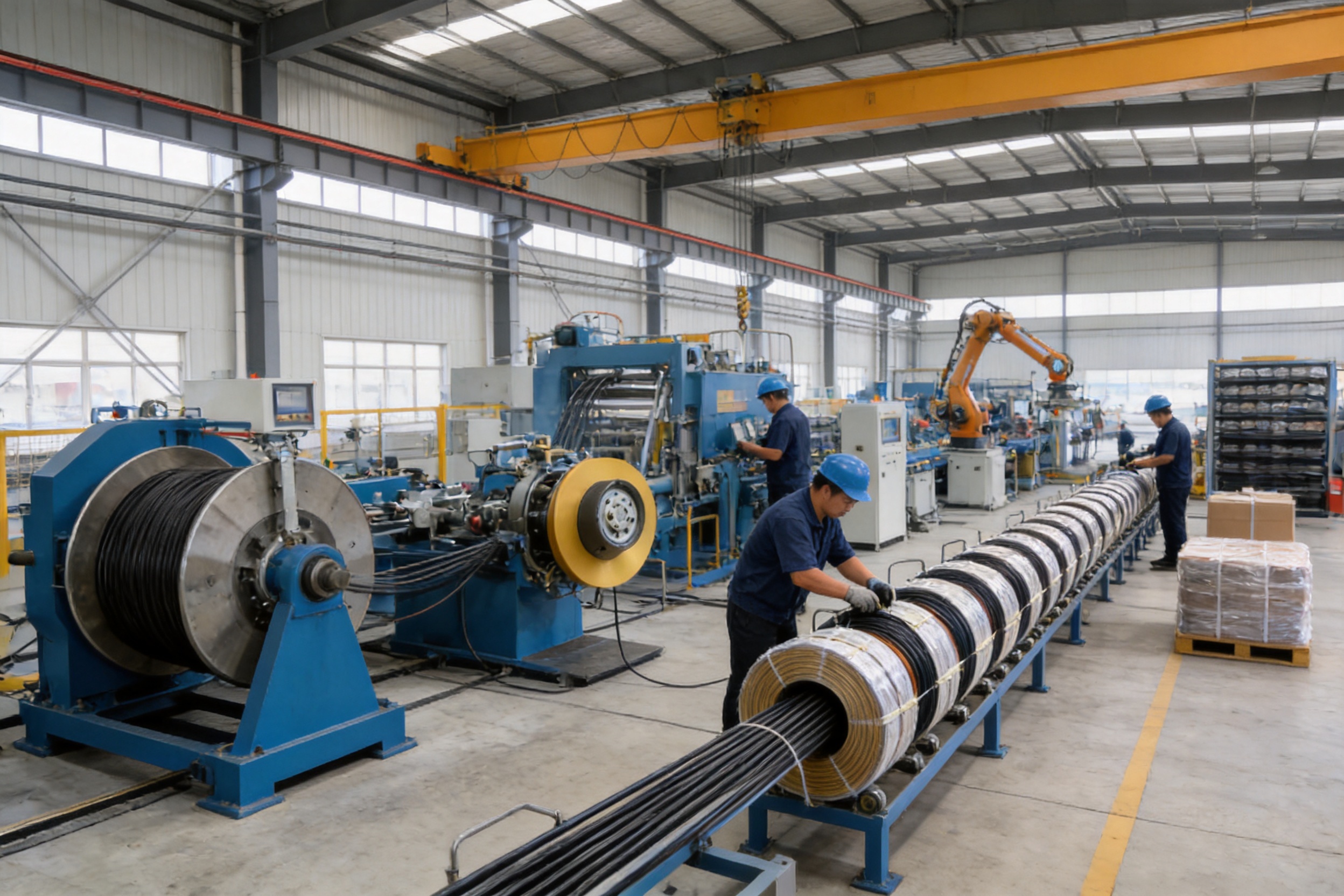
In modern wire and cable manufacturing, productivity depends not only on the extrusion line, conductor quality, insulation materials, or control system. The final handling stage is equally important. Cable must be collected, arranged, wrapped, bound, and prepared for storage or shipment without damaging the insulation, creating excessive tangles, or producing inconsistent coils. A well-designed cable coiling head is therefore more than a simple mechanical attachment. It is a key working component that directly influences coil appearance, dimensional consistency, machine stability, changeover time, and overall production efficiency.
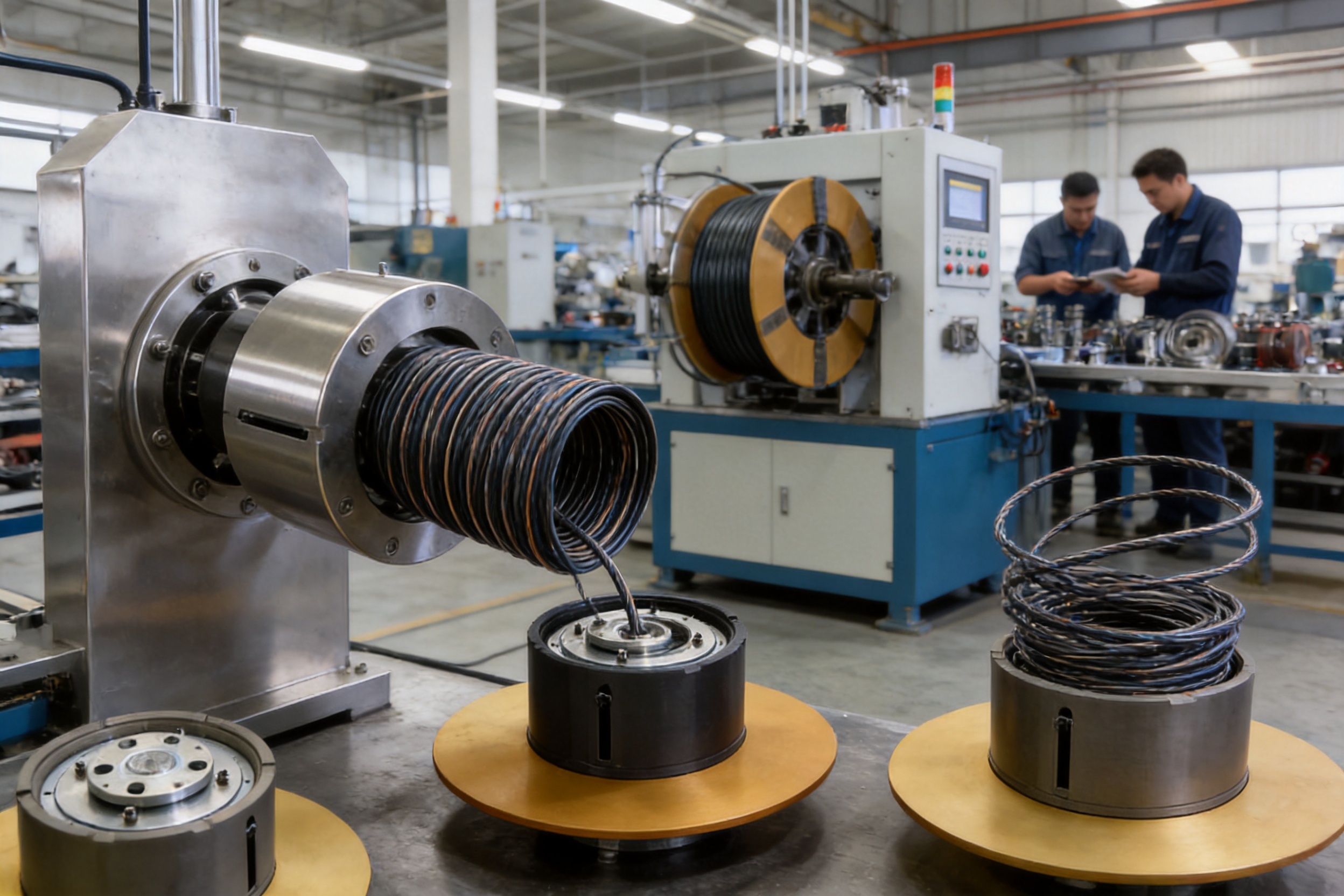
The Cable Coiling Head supplied by Shanghai Yessjet Precise Machinery Co., Ltd. is a replaceable accessory developed for cable coiling machines, cable coiling and wrapping machines, and cable coiling and binding machines. It is available in positioning and non-positioning versions and can be customized according to cable specifications and equipment models. This design gives cable-processing companies a practical way to adapt their existing machinery to different production requirements without replacing an entire coiling system.
Unlike a universal component that may be suitable only for a narrow range of products, a customizable coiling head can be matched to the diameter, flexibility, surface characteristics, and handling requirements of the cable being processed. It can also be selected according to whether the production line requires highly regular coils or greater flexibility for irregular coiling tasks. This combination of replaceability, configuration options, and equipment compatibility makes the cable coiling head a valuable solution for manufacturers seeking dependable operation and adaptable production.
1. The Role of a Coiling Head in Cable Manufacturing
After a cable has passed through extrusion, cooling, inspection, measurement, and take-up processes, it still needs to be collected in a controlled manner. If the cable is simply discharged without guidance, several problems may occur. The product can overlap unevenly, form loose sections, twist during collection, or develop excessive tension. In some applications, poor coiling can also cause surface scuffing, compression marks, or difficulty during downstream packaging and installation.
The coiling head guides the cable into a defined collection pattern. Depending on the machine design, it may control the position of the cable as it travels around the coil, support a consistent winding diameter, and coordinate cable movement with the rotation of the receiving mechanism. The component therefore contributes to both mechanical control and finished-product presentation.
For cables sold in coils, the visual and dimensional quality of the coil is often important to the customer. A well-formed coil is easier to handle, stack, transport, label, and install. It is less likely to collapse when removed from the machine, and it can reduce labor during packaging. For industrial cables, household wires, flexible cords, control cables, and other products, a stable coiling process can improve the repeatability of the entire production line.
The coiling head is especially important when one machine is used for multiple cable sizes. Different cable diameters require different operating conditions. A head that is too large, too small, or poorly matched to the product may allow excessive movement or create unnecessary resistance. A replaceable and customizable head allows operators to select a suitable working configuration rather than forcing every product through the same geometry.
2. Product Overview
The Cable Coiling Head is a core replaceable accessory for cable coiling equipment. It is designed to work with cable coiling machines, cable coiling and wrapping machines, and cable coiling and binding machines. Its principal function is to guide and organize the cable during the collection process while supporting the operating requirements of different production lines.
The product can be customized in size. This enables the component to be adapted to different cable specifications, machine structures, and application conditions. Customization may be particularly valuable when a manufacturer produces several cable diameters or operates equipment from different production periods. Instead of accepting the limitations of a fixed-size accessory, the user can obtain a coiling head designed for the actual production environment.
Two basic functional options are available:
1. Positioning coiling head: This version is intended for applications where accurate cable arrangement and consistent coil formation are essential.
2. Non-positioning coiling head: This version is intended for applications that require more freedom during coiling, including irregular or less rigid collection patterns.
The two options allow users to select the degree of guidance that best suits their product. A positioning design is useful when the coil must maintain a stable shape and repeatable arrangement. A non-positioning design can be advantageous when the cable, packaging method, or final application does not require strict layer alignment and greater flexibility is preferred.
Because the coiling head is a replaceable component, it can also support maintenance and equipment-life management. When a component reaches the end of its service life or when a production line changes to a different cable range, the head can be replaced without necessarily replacing the complete machine. This can reduce equipment disruption and help manufacturers manage capital expenditure more efficiently.
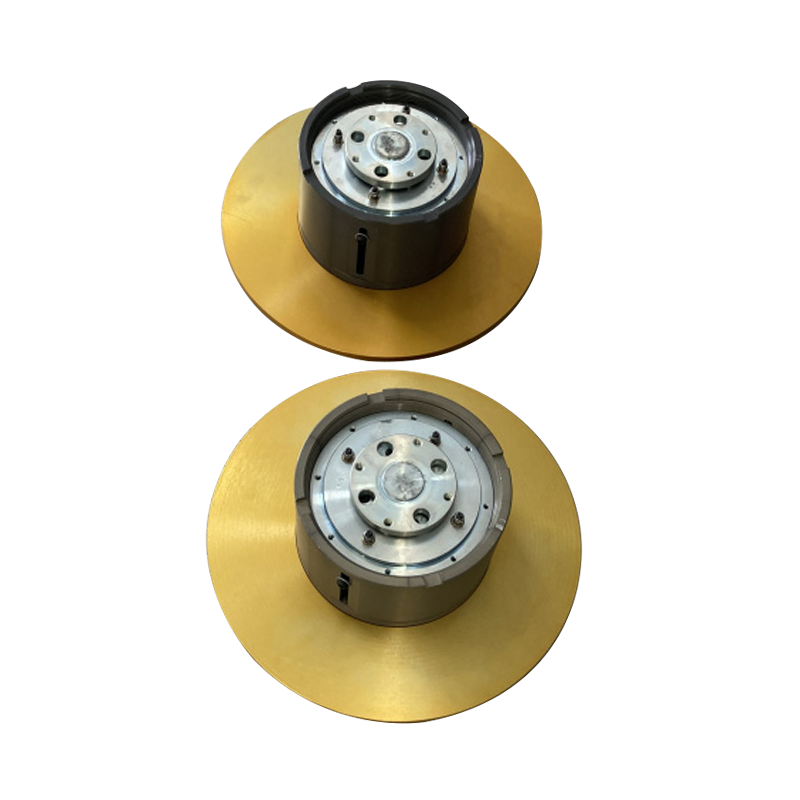
Cable Coiling Head
3. Positioning and Non-Positioning Designs
3.1 Positioning Coiling Head
The positioning version is designed for controlled cable placement. Its function is to help the cable follow a predictable path as it forms the coil. This can support a more uniform outside diameter, better edge alignment, and improved repeatability between production batches.
Positioning is particularly valuable when the finished coil must meet a defined appearance standard. Retail products, installation cables, and cables supplied in measured lengths may benefit from regular formation. A consistent arrangement can also make wrapping and binding operations more stable because the coil is less likely to shift during the next stage.
In a high-output environment, the positioning head can assist operators by reducing the need for manual correction. When the cable is consistently guided, fewer adjustments may be needed during normal operation. This can support smoother production and reduce the chance that an operator must stop the machine to reorganize an unstable coil.
Accurate positioning also helps improve production repeatability. If the same cable specification is processed repeatedly, the machine can operate with a consistent accessory configuration. This provides a more predictable relationship between the cable, the coiling path, and the receiving mechanism.
3.2 Non-Positioning Coiling Head
The non-positioning version provides a less restrictive cable path. It is intended for situations in which a fully controlled arrangement is not necessary or where the production process benefits from greater movement flexibility. This can be useful for irregular coiling, special packaging formats, and products with changing collection requirements.
Some cable products are not required to form tightly aligned layers. In these cases, excessive positioning may add unnecessary constraints to the process. A non-positioning head can provide a practical alternative by allowing the cable to collect according to the needs of the application while still supporting the basic coiling function.
The non-positioning design can also be useful when a manufacturer handles a broader range of product conditions. Cable flexibility, surface friction, diameter variation, and coil-size requirements may differ substantially between products. A flexible accessory option allows the production team to choose a configuration that does not impose more control than the cable requires.
Providing both positioning and non-positioning options is an important advantage over suppliers that offer only one standard design. The best coiling head is not necessarily the most restrictive or the most complex. It is the one that matches the cable, machine, and production objective.
4. Customization for Different Cable Specifications
Cable manufacturing rarely involves only one product. A single factory may produce building wire, power cable, control cable, communication cable, flexible cord, appliance wire, or special-purpose products. These products can differ in conductor structure, insulation material, outside diameter, flexibility, surface finish, and required coil format.
A standard accessory may work adequately for one cable but perform poorly on another. For example, a smaller cable can require more precise guidance to prevent uncontrolled movement, while a larger or stiffer cable may need a different contact arrangement and working clearance. A cable designed for irregular coiling may also have different requirements from a product that must be arranged in highly uniform layers.
The customizable size of the Cable Coiling Head allows manufacturers to address these differences more effectively. During the selection process, users can provide the relevant equipment model and cable information so that the accessory can be matched to the operating conditions. Important considerations may include cable diameter, coil diameter, coiling width, machine interface, expected line speed, and the required arrangement of the finished product.
Customization is not simply a matter of making a component larger or smaller. The head must be appropriate for the relationship between the cable and the machine. It should fit the equipment connection, provide a suitable working path, and support stable cable movement during the intended operation. This is why communication between the equipment supplier and the user is important before production.
For manufacturers with frequent product changeovers, a selection of interchangeable coiling heads can form part of a flexible production strategy. The operator can use the head most appropriate for the current cable specification and store other heads for additional products. This approach may be more economical and practical than dedicating a complete coiling machine to every cable type.
5. Advantages Compared with Fixed and Generic Alternatives
5.1 Better Adaptability
The most direct advantage of the Cable Coiling Head is adaptability. A fixed, generic accessory may force the user to compromise between different cable sizes and coiling formats. A customizable design is more suitable for production environments in which product variety is an important part of the business model.
The positioning and non-positioning choices provide a second level of adaptability. Users can select accurate arrangement when appearance and consistency are priorities, or choose a more flexible configuration when irregular coiling is acceptable. This product flexibility allows the accessory to serve a wider range of applications than a single-purpose head.
5.2 Lower Replacement Complexity
As a replaceable major accessory, the coiling head can simplify maintenance and equipment modification. If the original head becomes worn, damaged, or unsuitable for a new cable specification, the user can replace that component rather than immediately investing in a complete machine.
This does not eliminate the need for correct inspection and maintenance. However, it can reduce the scope of corrective action and help return equipment to service more efficiently. For factories where machine availability is closely connected to delivery schedules, practical replacement is an important consideration.
5.3 Improved Coil Consistency
When the positioning version is correctly matched to the cable and machine, it can support more consistent cable placement. Uniform coils are easier to wrap and bind, and they generally present a more professional appearance to customers. Consistency can also assist downstream handling, particularly when coils are weighed, labeled, palletized, or placed into cartons.
Compared with an improvised guide or an unsuitable generic part, a purpose-designed coiling head is more likely to provide stable and repeatable cable movement. The resulting improvement may be reflected in fewer irregular coils, fewer manual corrections, and a more predictable packaging process.
5.4 Practical Support for Multiple Machines
The Cable Coiling Head is designed for use with several related categories of cable equipment, including coiling machines, coiling and wrapping machines, and coiling and binding machines. This broad application range can be useful for cable-processing enterprises operating different machine configurations.
Although each machine must be checked for compatibility, the accessory concept is not limited to one narrow production arrangement. It can serve as a practical component for companies that need to maintain or upgrade several coiling-related systems.
5.5 Focused Investment
Manufacturers do not always need to purchase a new complete line to solve a coiling problem. In many cases, the issue may be associated with the working accessory, cable guidance, or a change in product specifications. A customized replacement head provides a focused investment option. It directs expenditure toward the part that directly affects the coiling operation.
This approach may be especially valuable for small and medium-sized factories, contract manufacturers, and production departments that need to expand product capability while controlling the cost of equipment upgrades.
6. Manufacturing Strengths of Shanghai Yessjet Precise Machinery Co., Ltd.
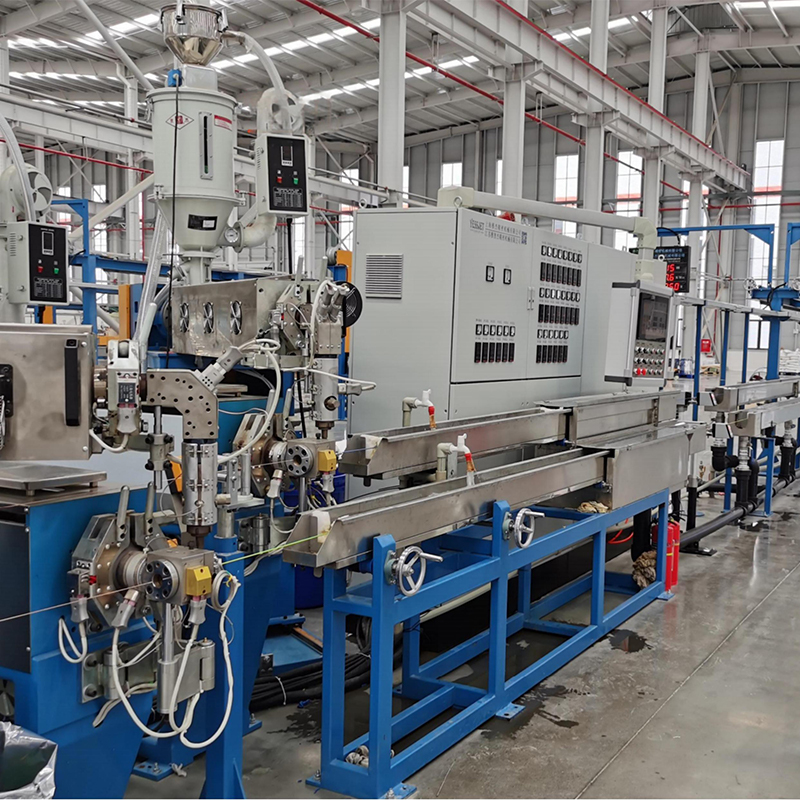
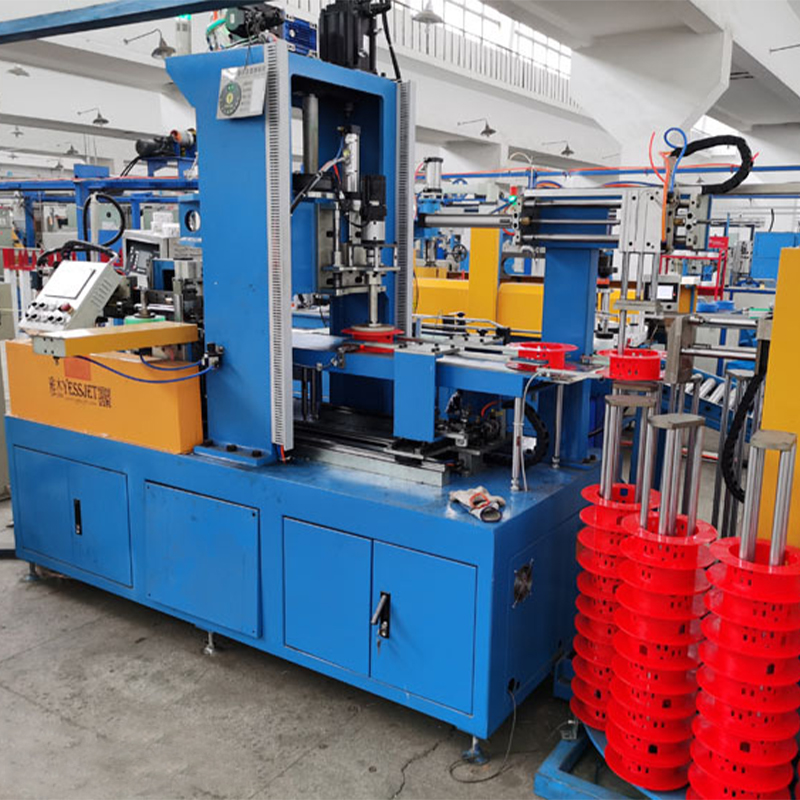
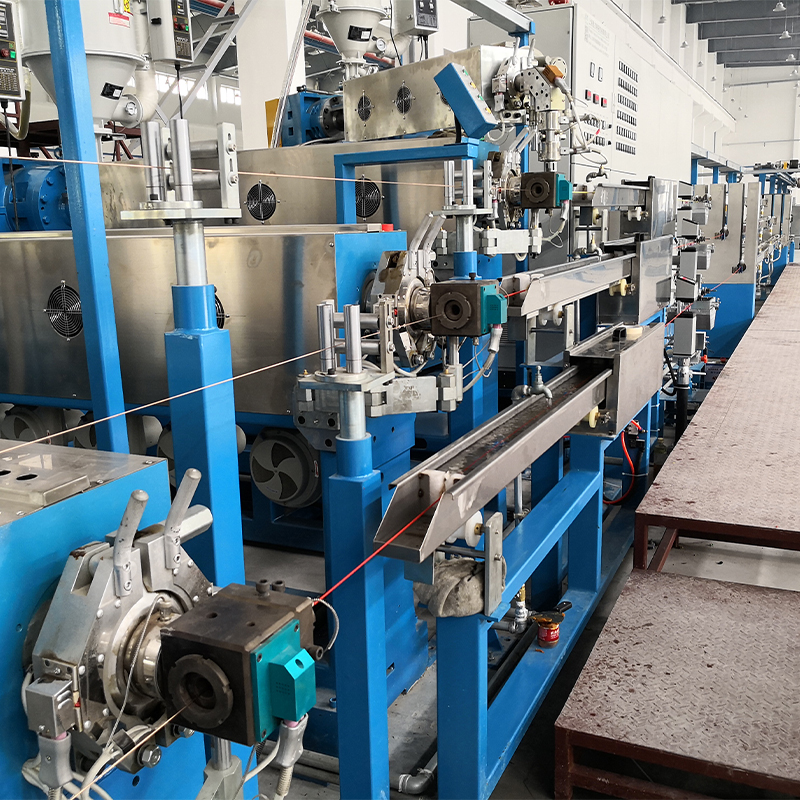
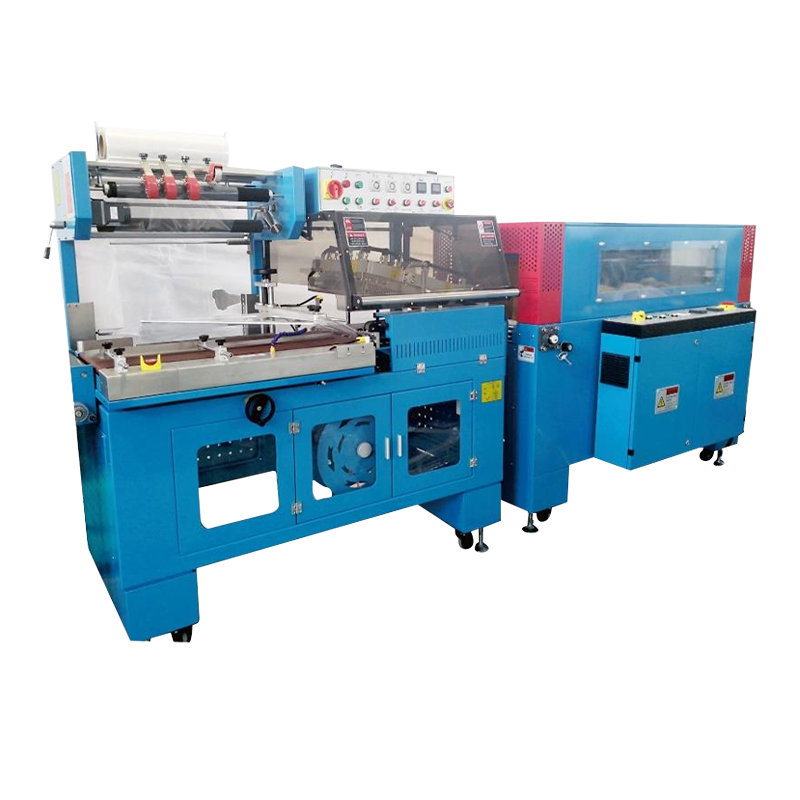
Shanghai Yessjet Precise Machinery Co., Ltd. provides wire and cable machinery and cable production turnkey solutions. Its product scope includes wire and cable extrusion lines, fully automatic coiling and packaging equipment, intelligent robot stackers, coiling machines, motorized pay-off equipment, motorized take-up equipment, accessory equipment, and cable extrusion machines.
This product range is relevant to the development of a cable coiling accessory because a coiling head should not be considered in isolation. Its performance depends on the machine with which it operates and on the wider cable production process. A supplier with experience across extrusion, pay-off, take-up, coiling, packaging, and stacking equipment can evaluate the accessory within a broader production context.
The company’s strength is therefore not limited to supplying an individual replacement part. Its wider equipment portfolio provides a foundation for understanding how cable is unwound, extruded, cooled, measured, taken up, coiled, wrapped, bound, and prepared for handling. This system perspective can help users select an accessory that is more appropriate for the actual production line.
Advanced manufacturing in wire and cable equipment requires accurate processing, stable mechanical interfaces, suitable material selection, and careful quality control. A coiling head must be produced to the requested dimensions and prepared for reliable installation. The supplier must also understand how the component will interact with cable movement and machine operation.
Customization strengthens this process. Instead of treating every customer order as an identical standard item, the supplier can review the requested size and function, distinguish between positioning and non-positioning requirements, and prepare the accessory for the customer’s equipment model. This is an important manufacturing capability for users with specialized or mixed production needs.
Yessjet’s focus on precise machinery is also aligned with the requirements of cable processing. Precision does not refer only to dimensional accuracy. It includes the fit between related components, the repeatability of the operating path, the stability of machine movement, and the consistency of the finished coil. For a small but important accessory such as a coiling head, these factors can influence the reliability of the entire collection process.
7. Production and Quality Considerations
7.1 Requirement Confirmation
A reliable manufacturing process begins with accurate requirement confirmation. Before a customized coiling head is produced, the supplier should understand the machine application and cable conditions. The user should provide as much relevant information as possible, including the machine type, existing head dimensions, cable outside diameter, desired coil size, coiling width, and whether the application requires positioning.
Clear information helps reduce the risk of a mismatch. It also allows the supplier to determine whether the requested component is intended for a coiling machine, a coiling and wrapping machine, or a coiling and binding machine. The surrounding machine structure can affect installation and operation, so the accessory should be considered in its actual working environment.
7.2 Dimensional Control
Dimensional control is essential for a replaceable component. The head must be manufactured according to the approved design and should correspond to the machine interface for which it is intended. Working dimensions should also be consistent with the cable specification and expected coiling pattern.
For production use, dimensional consistency supports easier replacement. If a second head is ordered later for the same machine, it should follow the same basic interface and operating requirements. This repeatability contributes to the long-term maintainability of the equipment.
7.3 Surface and Contact Conditions
The cable passes through or near the coiling head during operation. Contact conditions therefore deserve attention. The working surfaces should be appropriate for the cable product and should not create unnecessary abrasion, sharp interference, or unstable movement. The suitability of a surface depends on the cable insulation, external sheath, line speed, tension, and other operating conditions.
Users should communicate any special requirements associated with delicate, soft, coated, or easily marked cable products. This allows the accessory design and manufacturing process to consider the product’s sensitivity.
7.4 Installation Verification
Even a correctly manufactured coiling head must be installed properly. The machine should be stopped and made safe before replacement. The new component should be checked against the mounting position, and all relevant fasteners and interfaces should be secured. The cable path should then be inspected manually before trial operation.
A low-speed test is recommended after installation. During the test, the operator can observe whether the cable travels smoothly, whether the coil forms as intended, and whether the head creates any abnormal resistance or contact. If the positioning version is used, the arrangement of the cable should be checked across the full working width.
8. Application in a Complete Cable Production Line
The coiling head usually works at the downstream end of a larger cable production process. A typical line may include a motorized pay-off, conductor or cable processing equipment, an extrusion machine, cooling and sizing equipment, inspection devices, a motorized take-up, and final coiling or packaging equipment.
The pay-off provides controlled material supply at the beginning of the line. The extrusion machine applies insulation or a protective layer. Cooling and sizing stabilize the product, while inspection systems help identify faults. The take-up manages cable collection before the final coiling operation. Each stage affects the next. If the cable arrives at the coiling station with unstable tension, irregular speed, or inconsistent diameter, even a high-quality coiling head may not produce the desired result.
This is why the coiling head should be selected as part of a coordinated system. The operating speed, cable tension, receiving mechanism, and final packaging method should all be considered. A positioning head may be selected for a neat, measured coil that will be automatically wrapped and bound. A non-positioning version may be suitable for a process in which the cable is collected in a more flexible format before manual or automated handling.
When combined with fully automatic coiling and packaging equipment, a suitable coiling head can contribute to a more continuous production flow. When combined with an intelligent robot stacker, consistently formed coils may also be easier to transfer, stack, and organize. The accessory is therefore a small component with a potential effect on multiple downstream activities.
9. Operational Benefits for Cable Processing Enterprises
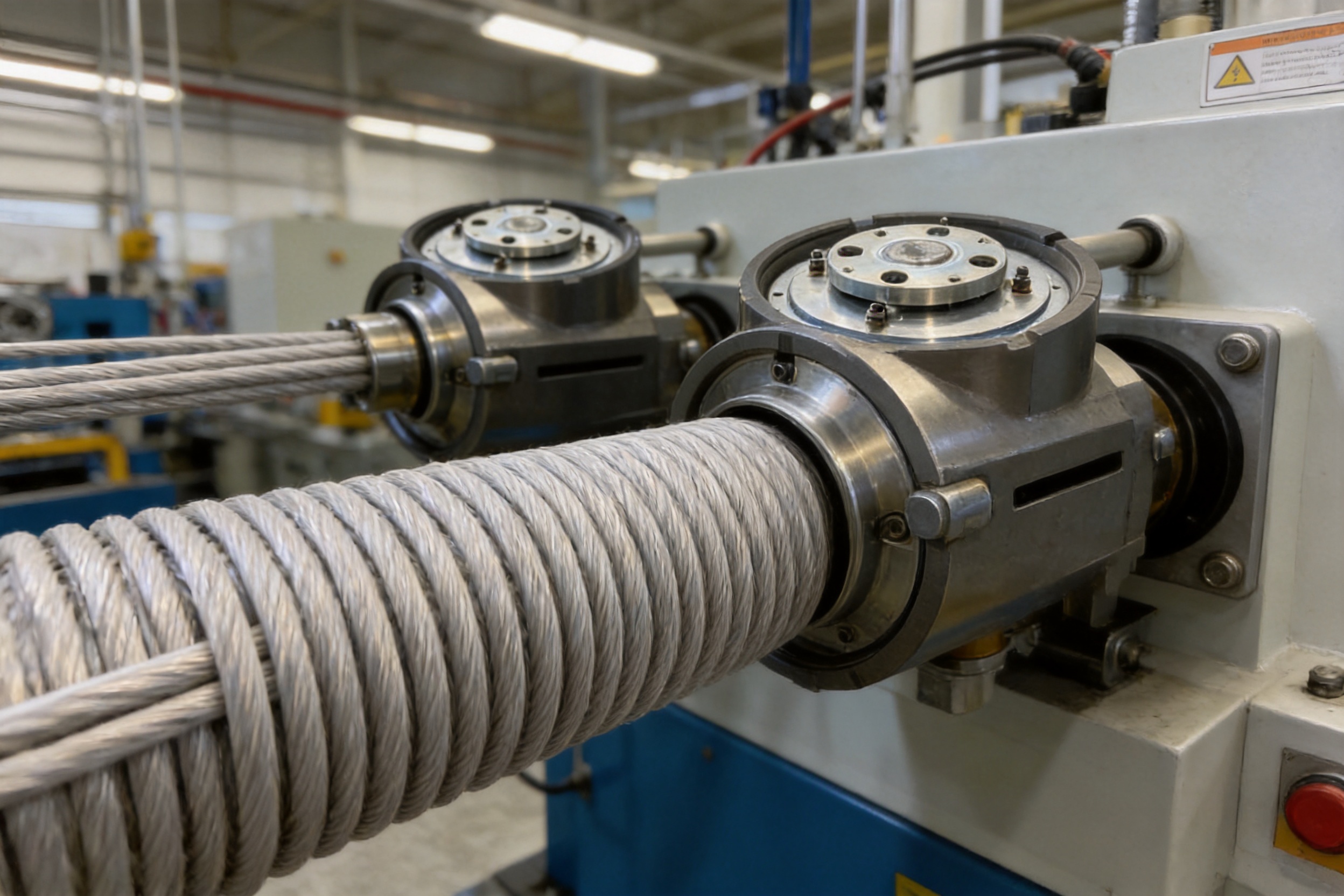
Manufacturers generally evaluate equipment accessories according to their influence on productivity, product quality, maintenance, and flexibility. The Cable Coiling Head addresses each of these areas in a practical manner.
From a productivity perspective, a suitable head can reduce interruptions caused by unstable coiling. Operators may spend less time correcting cable placement or adjusting an unsuitable guide. A replaceable design can also simplify future maintenance, particularly when spare components are prepared in advance.
From a quality perspective, the positioning version can help support uniform coil formation. A well-formed coil is less likely to shift during wrapping or binding and can provide a more consistent appearance. While the final result also depends on machine settings and cable properties, the coiling head is an important part of the mechanical guidance system.
From a flexibility perspective, customization allows the same general equipment platform to address different cable specifications. This can help manufacturers accept more product orders without making a complete investment in a separate coiling line for every variation.
From a maintenance perspective, a replaceable accessory helps define a practical service strategy. Operators can inspect the head for wear, contamination, deformation, or other signs of deterioration. If replacement is required, a new customized component can be installed and tested in accordance with the equipment procedure.
From a packaging perspective, regular coils can improve the efficiency of wrapping, binding, labeling, weighing, and stacking. Although the coiling head does not perform all these operations itself, it supports the stable product shape required by downstream equipment.
10. Recommended Selection Process
Selecting the correct coiling head should be approached systematically rather than based only on appearance or approximate size. The following sequence can help users prepare a suitable request.
Step 1: Identify the machine type
Confirm whether the component will be used on a cable coiling machine, cable coiling and wrapping machine, or cable coiling and binding machine. Record the equipment model and the installation location of the existing head.
Step 2: Record cable specifications
Provide the cable outside diameter, material characteristics, flexibility, surface condition, and normal production speed. If several cable types will be processed, list the full range rather than only one representative product.
Step 3: Define the desired coil format
Describe the target coil diameter, width, length, and arrangement. Explain whether the finished coil must be highly regular or whether an irregular collection pattern is acceptable.
Step 4: Select the operating function
Choose the positioning type when precise arrangement and consistent coil size are priorities. Choose the non-positioning type when the application requires greater flexibility or does not require strict cable alignment.
Step 5: Confirm customization details
Discuss the required dimensions, machine interface, replacement method, and any special contact or surface requirements with the supplier. Drawings, photographs, and measurements of the existing component can be useful for confirmation.
Step 6: Plan commissioning
After receiving the part, prepare a controlled installation and trial procedure. Begin at low speed, inspect the cable path, and gradually return to normal operating conditions after confirming stable performance.
| Selection Factor | Why It Matters | Recommended Information |
|---|---|---|
| Machine type | Determines installation and working compatibility | Equipment category, model, and existing accessory details |
| Cable diameter | Influences the working path and suitable head size | Minimum, maximum, and typical cable diameter |
| Coil format | Defines the required degree of cable arrangement | Coil diameter, width, length, and appearance standard |
| Functional type | Controls whether the cable is guided precisely or allowed greater freedom | Positioning or non-positioning requirement |
| Product surface | Helps prevent unnecessary marking or resistance | Insulation, sheath, coating, and surface sensitivity |
| Production conditions | Affects stability and service expectations | Line speed, operating hours, tension, and changeover frequency |
11. Maintenance and Service Practices
Routine inspection is important for any cable-guidance accessory. Operators should check the coiling head according to the maintenance schedule of the machine. Inspection may include cleaning, fastener verification, examination of contact areas, and observation of the cable path during operation.
Accumulated dust, insulation particles, or other production residue can affect movement and should be removed using an appropriate cleaning method. The head should not be allowed to develop sharp edges, deformation, or looseness that could influence the cable surface or coiling pattern.
Operators should also monitor changes in coil quality. A gradual decline in alignment, an increase in loose loops, unusual cable resistance, or unexpected noise may indicate that the accessory or another part of the coiling system requires attention. Early inspection can help distinguish between a head issue and problems associated with tension, speed synchronization, receiving equipment, or cable dimensional variation.
When replacement is needed, users should retain the equipment information and previous customization details. This can make it easier to order a matching part or request a modification for a new cable specification. Keeping a small inventory of critical replacement accessories may also reduce downtime for high-use machines.
Maintenance should always be carried out under safe conditions. The machine must be stopped, isolated where necessary, and protected against unexpected startup before the coiling head is removed or adjusted. Operators should follow the safety procedures established for the specific production line.
12. Why a Specialized Supplier Matters
A coiling head may appear to be a relatively small component, but its usefulness depends on the supplier’s understanding of cable machinery. A supplier focused only on general mechanical parts may not fully understand the relationship between cable movement, coil formation, take-up tension, packaging, and machine changeover.
A specialized wire and cable machinery supplier can approach the request from a process perspective. The supplier can consider how the accessory will interact with upstream and downstream equipment, whether the selected functional type fits the product, and how customization may support the customer’s broader manufacturing goals.
Shanghai Yessjet Precise Machinery Co., Ltd. serves the wire and cable industry with equipment and accessories covering multiple stages of production. Its capabilities include cable extrusion machinery, coiling equipment, pay-off and take-up systems, automatic packaging equipment, and intelligent stacking solutions. This range provides a useful basis for integrated equipment discussions and production-line planning.
The company’s manufacturing strength is also reflected in its ability to provide a component in different sizes and functional forms. The availability of positioning and non-positioning versions shows an understanding that cable production requirements are not identical. Instead of promoting one configuration for every customer, the supplier can support a more application-oriented selection process.
For customers requiring a customized accessory, communication is a central part of the service. The final product should be based on actual equipment information and production requirements. This helps create a closer match between the supplied component and the user’s operating environment.
13. Use Cases Across Different Production Needs
13.1 Regular Commercial Cable Coils
Commercial cable products often need a clean and consistent presentation. The positioning coiling head can support the formation of orderly coils that are easier to wrap, label, and display. Consistency is particularly helpful when products are sold in standard lengths or processed through automatic packaging equipment.
13.2 Flexible Cables and Cords
Flexible cables and cords may respond differently to guidance because of their bending characteristics and surface materials. Depending on the required final format, users may select a positioning head for controlled arrangement or a non-positioning head for a more flexible collection process.
13.3 Mixed-Product Manufacturing
Factories that produce multiple cable sizes can benefit from replaceable customized heads. Different heads can be prepared for different production groups, allowing the operator to change the accessory together with other machine settings during a product changeover.
13.4 Wrapping and Binding Lines
When coiling is followed by wrapping or binding, the stability of the coil becomes especially important. A positioning head can support a more regular form before the coil enters the wrapping or binding stage. This can help reduce movement and improve the consistency of automated or semi-automated handling.
13.5 Special or Irregular Coiling
Some products and packaging methods do not require tightly arranged layers. In such cases, the non-positioning head can offer a suitable balance between guidance and freedom. It allows manufacturers to avoid over-specifying the accessory for an application that does not need rigid alignment.
14. Practical Performance Expectations
The Cable Coiling Head is designed to improve the practical operation of cable coiling equipment, but performance should always be evaluated as part of the complete system. The accessory does not independently determine coil quality. Cable properties, machine speed, tension control, receiving mechanism, operator settings, and packaging requirements all contribute to the final result.
When the head is correctly selected and installed, users can reasonably expect better compatibility with their specified cable range, more stable guidance, and a clearer maintenance and replacement path. The positioning version is intended to support precise arrangement, while the non-positioning version is intended to support flexible coiling. Customization helps bring these functions closer to the actual needs of the production line.
These benefits are most effectively achieved when the supplier receives accurate technical information. A mismatch between the requested dimensions and the real machine may reduce the value of the accessory. For this reason, users should treat technical confirmation as an essential part of purchasing rather than as a formality.
15. Frequently Asked Questions
Q1: What machines can use the Cable Coiling Head?
The accessory is intended for cable coiling machines, cable coiling and wrapping machines, and cable coiling and binding machines. Compatibility should be confirmed according to the machine model, installation structure, and required dimensions.
Q2: Is the Cable Coiling Head available in only one standard size?
No. The coiling head can be customized in size to match different cable specifications and equipment models. Users should provide the relevant machine and cable information before ordering.
Q3: What is the difference between positioning and non-positioning types?
The positioning type is designed to guide the cable more precisely, supporting consistent cable arrangement and coil size. The non-positioning type provides greater flexibility and is suitable for irregular coiling or applications that do not require strict alignment.
Q4: How do I choose between the two types?
Choose the positioning type when the coil must be neat, repeatable, and suitable for consistent wrapping, binding, or packaging. Choose the non-positioning type when the production process allows a freer collection pattern or when irregular coiling is preferred.
Q5: Can the head be used for different cable diameters?
It can be customized for different cable specifications, but one head should be selected according to the intended working range. If a factory processes a broad range of cable diameters, it may be more practical to prepare several interchangeable heads.
Q6: Is the coiling head a complete machine?
No. It is a major replaceable accessory for cable coiling-related machines. It supports the cable-guidance and coiling operation but does not replace the complete coiling, wrapping, binding, extrusion, pay-off, or take-up equipment.
Q7: Can replacing the head improve coil consistency?
A correctly matched positioning head can help improve cable arrangement and support more consistent coil formation. However, the final result also depends on line speed, tension, cable properties, machine adjustment, and the condition of other components.
Q8: What information should be supplied for customization?
Useful information includes the machine model, existing head dimensions, cable outside diameter, cable material, target coil diameter and width, production speed, and the required positioning or non-positioning function. Photos, drawings, or measurements may also help with confirmation.
Q9: Can the accessory support equipment upgrades?
Yes. A customized replaceable head can be used as part of an equipment adjustment or upgrade, especially when a production line begins handling a new cable size or packaging format. The complete machine interface should be reviewed before implementation.
Q10: What should be checked after installation?
Check the mounting connection, cable path, working clearance, fasteners, and general movement. Conduct a low-speed trial before returning to normal operation. Observe the coil arrangement and confirm that there is no abnormal resistance, noise, or cable marking.
Q11: Does the company supply other cable machinery?
Shanghai Yessjet Precise Machinery Co., Ltd. supplies a broader range of wire and cable machinery, including extrusion lines, coiling and packaging equipment, intelligent robot stackers, motorized pay-off and take-up equipment, coiling machines, cable extrusion machines, and accessory equipment.
Q12: Why is customization better than using a generic component?
Customization can provide a closer match to the machine interface, cable specification, and production objective. It may improve adaptability and reduce the compromises associated with a one-size-fits-all accessory.
16. Conclusion
The Cable Coiling Head is a practical and important accessory for modern cable-processing operations. It guides cable during collection, supports coil formation, and provides a replaceable solution for coiling machines, wrapping machines, and binding machines. Its availability in positioning and non-positioning versions allows users to select the working method most appropriate for their products.
The product’s strongest advantages are its customizable size, flexible application range, replaceable structure, and suitability for different production objectives. The positioning version supports accurate arrangement and consistent coil size, while the non-positioning version supports greater freedom for irregular coiling scenarios. Compared with a fixed or generic accessory, this configuration-based approach can provide better adaptability for manufacturers handling multiple cable specifications.
The value of the coiling head is further supported by the broader capabilities of Shanghai Yessjet Precise Machinery Co., Ltd. As a supplier of wire and cable production equipment, the company understands the relationship between extrusion, pay-off, take-up, coiling, packaging, and stacking. Its ability to provide customized accessory equipment gives cable manufacturers a focused way to maintain, modify, and improve their production systems.
For the best result, users should confirm machine details, cable specifications, coil requirements, and functional preferences before ordering. With appropriate selection, installation, and maintenance, the Cable Coiling Head can contribute to stable cable guidance, improved coil consistency, easier changeovers, and more efficient downstream packaging.
References
1. General principles of wire and cable extrusion-line design and downstream product handling.
2. Industrial practices for cable take-up, coiling, wrapping, binding, and packaging operations.
3. Maintenance principles for replaceable mechanical accessories used in continuous production machinery.
4. Manufacturing considerations for customized machine components and equipment interfaces.
5. Product information supplied for the Cable Coiling Head and associated wire and cable machinery.