LANGUAGE
 中文简体
 русский
 Français
 Español
 Português
 عربى

Content
- 1 What Is a Cable Coiling Head?
- 2 Positioning and Non-Positioning Configurations
- 3 Why the Coiling Head Matters in Cable Production
- 4 Product Advantages Over Standard or Poorly Matched Alternatives
- 5 Advanced Manufacturing Approach and Engineering Strengths
- 6 Application Areas
- 7 Selection Guide for Buyers and Engineers
- 8 Installation and Operating Considerations
- 9 How the Product Supports Production Efficiency
- 10 Advantages for Equipment Integrators
- 11 Advantages for Cable Manufacturers
- 12 Manufacturing and Service Strengths
- 13 Quality and Reliability in Long-Term Use
- 14 Frequently Asked Questions
- 14.1 What machines can use this cable coiling head?
- 14.2 Is the coiling head available in different sizes?
- 14.3 What is the difference between positioning and non-positioning types?
- 14.4 Can one coiling head handle multiple cable sizes?
- 14.5 Why choose a replaceable coiling head instead of replacing the machine?
- 14.6 Can the coiling head be used in an automatic packaging line?
- 14.7 What information should be supplied when requesting a quotation?
- 14.8 How can users reduce installation problems?
- 14.9 Does the supplier provide other wire and cable machinery?
- 14.10 How does the coiling head improve finished-coil quality?
- 15 Recommended Procurement Process
- 16 Conclusion
- 17 References
- 18 Product: Cable Coiling Head
In modern wire and cable manufacturing, production efficiency depends not only on the main extrusion line, coiling machine, or packaging system, but also on the quality and compatibility of each supporting component. A cable coiling head is one of the most important accessories in the final stages of cable processing. It directly influences how cable is guided, arranged, coiled, wrapped, and prepared for subsequent packaging or shipment.
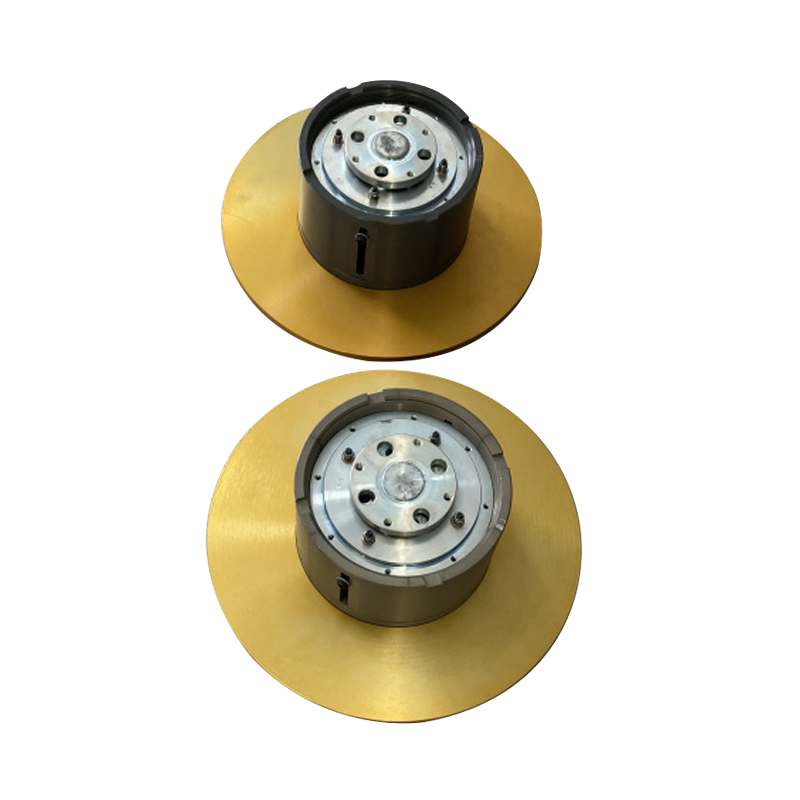
The Cable Coiling Head is a replaceable accessory designed for cable coiling machines, cable coiling and wrapping machines, and cable coiling and binding machines. It is available in positioning and non-positioning configurations and can be customized in size to suit different cable diameters, coil dimensions, machine structures, and production requirements. By providing a stable and adaptable cable-guiding interface, the coiling head helps manufacturers improve coil consistency, reduce operating interruptions, and maintain reliable machine performance.
For cable processing companies, selecting a suitable coiling head is more than a routine replacement decision. The component must match the equipment accurately, guide the cable smoothly, tolerate repeated operation, and support the required coiling method. An unsuitable accessory may lead to loose winding, uneven edges, cable crossing, surface damage, inconsistent coil sizes, or unnecessary machine downtime. A well-designed and correctly customized cable coiling head provides a practical way to improve the overall performance of an existing machine without replacing the complete production system.
Cable Coiling Head
What Is a Cable Coiling Head?
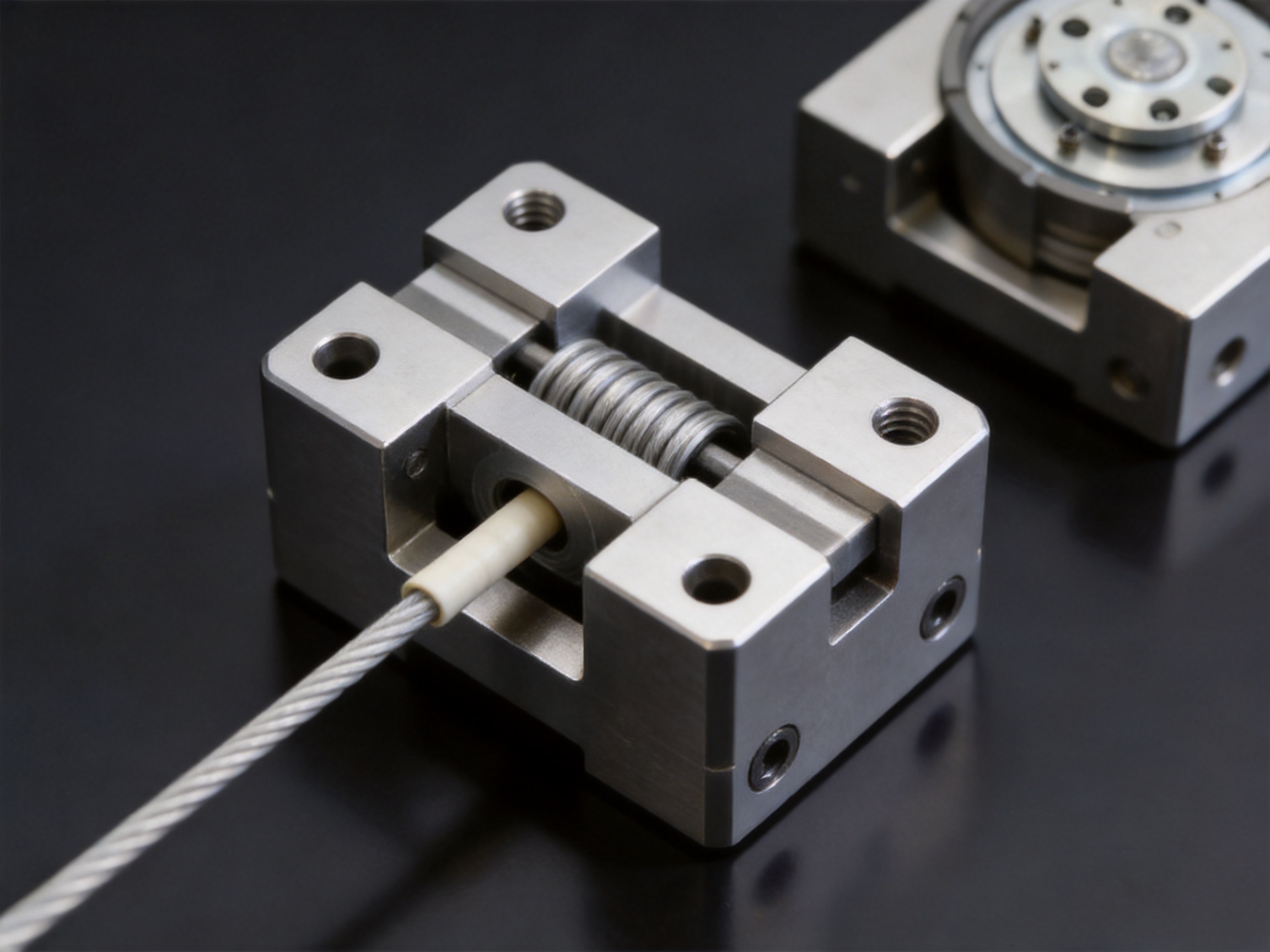
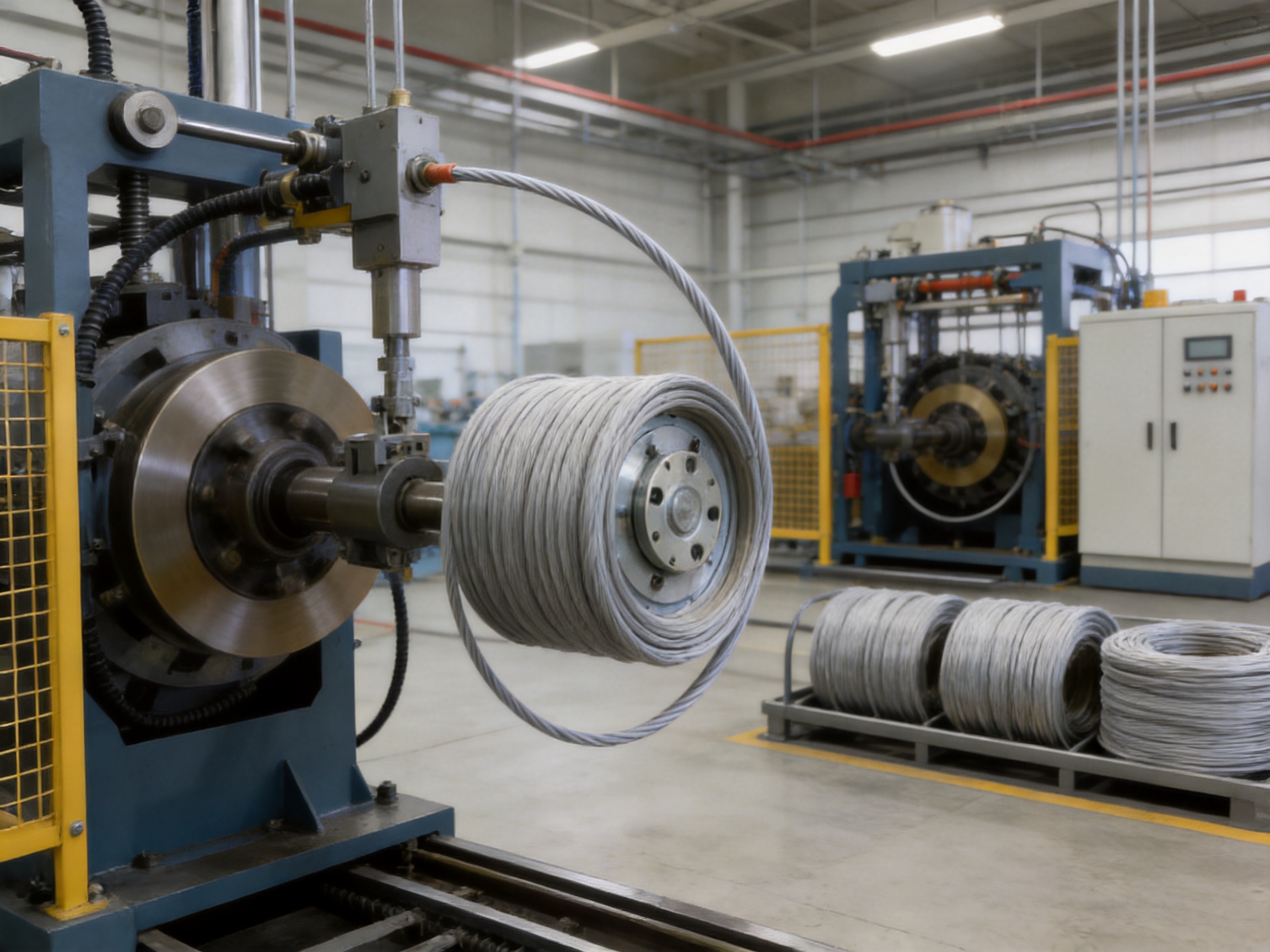
A cable coiling head is a core cable-guiding and coiling accessory installed on a coiling or packaging machine. During operation, the cable passes through or around the coiling head while the machine controls the cable’s movement and winding pattern. The head helps direct the cable into the required position so that successive loops are arranged in a controlled and repeatable manner.
The coiling head can be regarded as a working interface between the cable and the coiling mechanism. Its geometry, dimensions, mounting arrangement, and functional design influence the final appearance and stability of the coil. Because cables differ considerably in diameter, flexibility, insulation material, tensile strength, and surface finish, one universal coiling-head specification cannot meet every application. This is why the accessory supports flexible size customization.
In practical production, a coiling head may be used with power cables, control cables, communication cables, flexible industrial cables, appliance wires, building wires, and other products that require controlled circular or bundled packaging. The exact design depends on the product characteristics and the configuration of the machine on which the head is installed.
Core Functions
The primary function of the cable coiling head is to guide cable movement during coiling. It assists the machine in controlling the location of each loop, helping the cable form a compact and orderly coil. Depending on the configuration, it may also contribute to cable positioning, coil diameter control, edge alignment, and repeatable handover to wrapping or binding equipment.
Another important function is adaptability. A replaceable coiling head allows a manufacturer to change the working part of a machine when production requirements change. Instead of purchasing an entirely new coiling machine for every cable size or coil format, the user may select a suitably dimensioned accessory. This approach can reduce equipment investment and make production planning more flexible.
The coiling head also supports equipment maintenance. As a component that can be replaced, it helps users renew the working interface when a production change, wear condition, or process adjustment requires it. Replacement can be more efficient than modifying the complete machine, particularly when the basic machine structure remains suitable for the application.
Positioning and Non-Positioning Configurations
The product is divided into two primary functional options: positioning and non-positioning. These configurations allow the accessory to be selected according to the desired coiling method and the physical behavior of the cable.
Positioning Cable Coiling Head
The positioning type is intended for applications that require precise cable arrangement and consistent coil formation. It helps keep the cable in a defined working position as the coiling operation proceeds. This is especially useful when the finished coil must have a regular appearance, stable outer dimensions, and a controlled winding pattern.
Positioning is valuable for automated production lines because consistent cable placement supports repeatable machine cycles. When the cable follows a predictable route, the machine is more likely to produce uniform coils from one cycle to the next. This can simplify downstream wrapping, tying, labeling, storage, and transportation.
A positioning coiling head may be appropriate for products with relatively consistent dimensions and for production programs where appearance and dimensional repeatability are important. It can also support operations in which the coil is transferred automatically to another station and must maintain a stable shape during handling.
Non-Positioning Cable Coiling Head
The non-positioning type offers greater flexibility for irregular coiling scenarios. It can be used when the cable, coil format, or production method does not require a fixed positioning structure. This may be advantageous for varied product batches, flexible cables, special coil shapes, or applications in which the operator or machine control system manages the cable path through other means.
Non-positioning designs may also be useful where quick adaptation is more important than highly defined cable placement. For manufacturers processing multiple cable specifications, the greater freedom of a non-positioning configuration can support a broader range of production conditions.
The choice between positioning and non-positioning should be based on cable characteristics, required coil quality, machine structure, operating method, and production volume. A technical evaluation before selection can help determine which option provides the most appropriate balance between control and flexibility.
| Feature | Positioning Type | Non-Positioning Type |
|---|---|---|
| Main operating characteristic | Guides the cable into a defined position | Allows a more flexible cable path |
| Typical advantage | Consistent arrangement and repeatable coil size | Adaptability for irregular or varied coiling |
| Suitable production focus | Standardized, automated, and appearance-sensitive production | Flexible batches and changing coiling conditions |
| Selection priority | Dimensional consistency and controlled winding | Versatility and operating flexibility |
| Replacement value | Restores or improves precise guiding performance | Supports a wider range of coiling applications |
Why the Coiling Head Matters in Cable Production
A cable coiling machine may include a motor, rotating mechanism, control system, cable guide, tension system, and packaging interface. Although the coiling head is a relatively compact part, it participates directly in the movement of the finished cable. Small inaccuracies in this working component can be reflected in the final product.
When a cable is not guided correctly, several problems may occur. The coil can become loose at one side, loops may overlap unpredictably, the cable may cross over itself, and the outer edge may become uneven. In severe cases, the cable can rub against an unsuitable contact surface or experience excessive bending. Such issues can affect product appearance, handling efficiency, and customer acceptance.
A correctly matched coiling head supports more stable cable travel. It helps the machine maintain an orderly relationship between the rotating coil and the incoming cable. This is particularly important in automatic production, where the machine may repeat the same cycle hundreds or thousands of times. Consistency in the accessory contributes to consistency in the finished coil.
The coiling head also influences changeover efficiency. Cable manufacturers frequently process different products during the same workweek. A replaceable, customizable head can allow the production team to adjust the working part of the machine rather than redesigning the entire system. This can shorten preparation time and increase the usefulness of the existing equipment.
For integrated production lines, the cable coiling head can help maintain continuity between extrusion, cooling, inspection, coiling, wrapping, and binding. A stable coiling process reduces the chance that an issue at the packaging stage will interrupt the output of upstream equipment. This is valuable because a stoppage at the end of a continuous line can affect the utilization of the entire production system.
Product Advantages Over Standard or Poorly Matched Alternatives
Customized Dimensions for Different Cable Specifications
One of the strongest advantages of this cable coiling head is its support for size customization. Cable products may vary in conductor structure, insulation thickness, outer diameter, flexibility, and desired coil dimension. A fixed, generic accessory may not provide the correct working relationship for every product.
Customization allows the head to be considered together with the machine model and cable specification. The result is a more suitable fit between the accessory and the production application. This can help reduce unnecessary clearance, improve guiding behavior, and support a more stable coil shape.
Compared with an off-the-shelf component selected only by approximate size, a customized coiling head gives manufacturers a better opportunity to align the accessory with actual process requirements. This is especially important when a company handles several cable families or has specialized packaging standards.
Two Functional Options for Broader Application Coverage
The availability of positioning and non-positioning types gives users a practical choice. Some applications require precise arrangement and a highly uniform coil, while others benefit from a more open and flexible coiling path. Offering both options makes it easier to select a component according to the real operating condition instead of forcing every product into one design concept.
This flexibility is useful for cable factories that produce standard and non-standard products. It also helps equipment integrators configure a machine for different customer requirements. A supplier that can provide both functional approaches is better positioned to support a broad range of cable processing scenarios.
Replaceable Structure for Easier Maintenance
The coiling head is designed as a replaceable accessory. This makes maintenance and process adjustment more manageable. If the machine continues to operate correctly but the existing head is no longer suitable for a new cable specification, the user can replace the accessory instead of replacing the complete coiling machine.
A replaceable design may also simplify service planning. Maintenance personnel can inspect the working part, identify signs of wear or process mismatch, and install a replacement when necessary. Keeping an appropriate spare component available can reduce the time required to restore production.
Support for Stable and Efficient Coiling
The cable coiling head contributes to the stable movement of cable during operation. Better guiding can reduce irregular winding and support a more consistent finished coil. In turn, operators may spend less time correcting coil shape or manually rearranging cable before wrapping and binding.
Efficiency is not limited to machine speed. It also includes reduced adjustment time, fewer interruptions, easier product changeover, and more predictable downstream handling. A well-matched accessory can provide value in all of these areas.
Compatibility with Multiple Machine Types
The product is intended for use with cable coiling machines, cable coiling and wrapping machines, and cable coiling and binding machines. This broad compatibility makes it suitable for different finishing arrangements. It can serve as an accessory for a stand-alone coiler or as part of a larger automatic packaging process.
For users operating equipment from different production periods, compatibility and customization are particularly important. A suitable coiling head can help extend the practical service life of existing machinery and support modernization without requiring a complete replacement of the production line.
Advanced Manufacturing Approach and Engineering Strengths
The quality of a cable coiling head depends on more than its basic shape. The accessory must be developed with attention to application conditions, machine interfaces, dimensional accuracy, cable contact, installation, and repeatability. The manufacturing strength behind the component is therefore an important factor in supplier selection.
Application-Based Product Development
A practical manufacturing process begins with understanding the actual application. Cable diameter, material, flexibility, coil size, machine speed, coiling method, and packaging arrangement all influence the design. A supplier with experience in wire and cable machinery can evaluate the accessory as part of a complete process rather than treating it as an isolated mechanical part.
This application-based approach helps avoid common selection errors. A component that appears suitable by external dimensions may still be unsuitable if it does not match the cable path, mounting interface, or required coiling behavior. Engineering consideration of the complete machine improves the likelihood of reliable operation.
Precision-Oriented Component Production
A coiling head must maintain its intended dimensions and geometry during repeated use. Manufacturing therefore requires controlled processing, accurate forming or machining, careful inspection, and appropriate finishing procedures. Dimensional consistency is important because even a small deviation can affect cable travel or the final coil pattern.
Precision-oriented production also supports interchangeability. When a replacement head is manufactured to the required specifications, it can be installed with less adjustment and can provide more predictable performance. This is one of the main benefits of working with a professional machinery manufacturer rather than selecting an unrelated general-purpose component.
Integration with Complete Wire and Cable Machinery
A manufacturer involved in wire and cable production equipment can understand how the coiling head interacts with upstream and downstream processes. This broader knowledge is useful when the accessory is installed in an extrusion line, take-up system, wrapping machine, binding machine, or fully automatic packaging line.
Integration experience can support better recommendations regarding positioning, cable direction, coil size, machine layout, and product changeover. It also helps the supplier communicate with equipment engineers and production managers using a process-oriented perspective.
Customization Capability
Customization is a central manufacturing strength for this product. Users may require different sizes, connection structures, guiding arrangements, or functional configurations. A supplier capable of adapting the coiling head can respond more effectively to special production conditions than a supplier limited to a narrow catalog.
Customization should be controlled through technical communication and specification confirmation. Relevant information may include machine drawings, existing accessory dimensions, cable outside diameter, target coil dimensions, photographs of the installation area, and details about the positioning method. These data help transform a general request into a technically appropriate product.
Quality Control Throughout Production
Reliable accessory production requires quality control at several stages. Incoming materials and components should be checked according to applicable internal specifications. During processing, critical dimensions and interfaces should be monitored. Before delivery, the finished accessory should be inspected for appearance, mounting compatibility, and conformity with the agreed requirements.
Quality control is especially important for replacement parts because the user expects the new component to perform consistently with the existing machine. Proper inspection reduces the risk of installation problems, unexpected adjustment, or repeated replacement.
Professional Manufacturing Support
A complete equipment supplier can provide more than a part number. It can help users select the functional type, confirm dimensions, evaluate installation conditions, and coordinate the accessory with related machinery. This support is valuable when the customer is upgrading an older machine, changing cable specifications, or developing a new packaging process.
The strength of a professional machinery company lies in its ability to combine product design, manufacturing, customization, and application support. For a specialized accessory such as a cable coiling head, this combination can be more valuable than a low purchase price for an unverified generic substitute.
Application Areas
Cable Coiling Machines
In a stand-alone cable coiling machine, the coiling head helps guide the cable into a controlled coil. It can be selected for standard production or customized for special cable sizes. The appropriate positioning option can support uniform coils, while the non-positioning option can provide additional flexibility for variable products.
Cable Coiling and Wrapping Machines
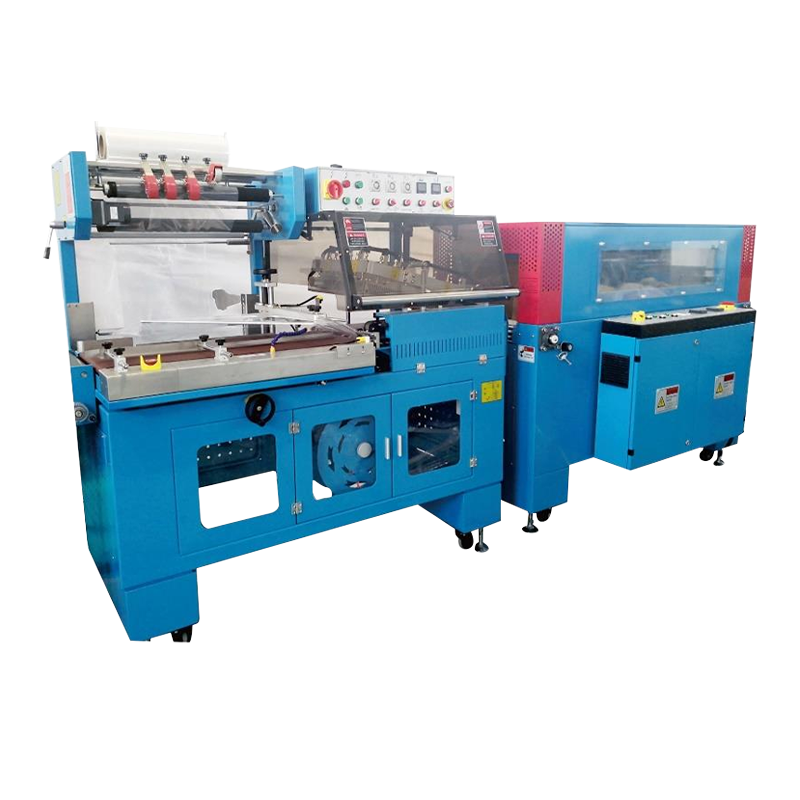
When coiling is followed immediately by wrapping, the coil must be stable enough to move into the wrapping stage without excessive deformation. A suitable coiling head helps form a more orderly coil that can be handled by the wrapping system. This can improve the continuity of the combined operation and reduce manual correction.
Cable Coiling and Binding Machines
Binding machines require the cable to remain in an appropriate shape while the binding material is applied. A coiling head that supports consistent arrangement can make the binding stage more predictable. This is useful for products that must be secured into compact bundles for storage, delivery, or installation.
Extrusion and Finishing Lines
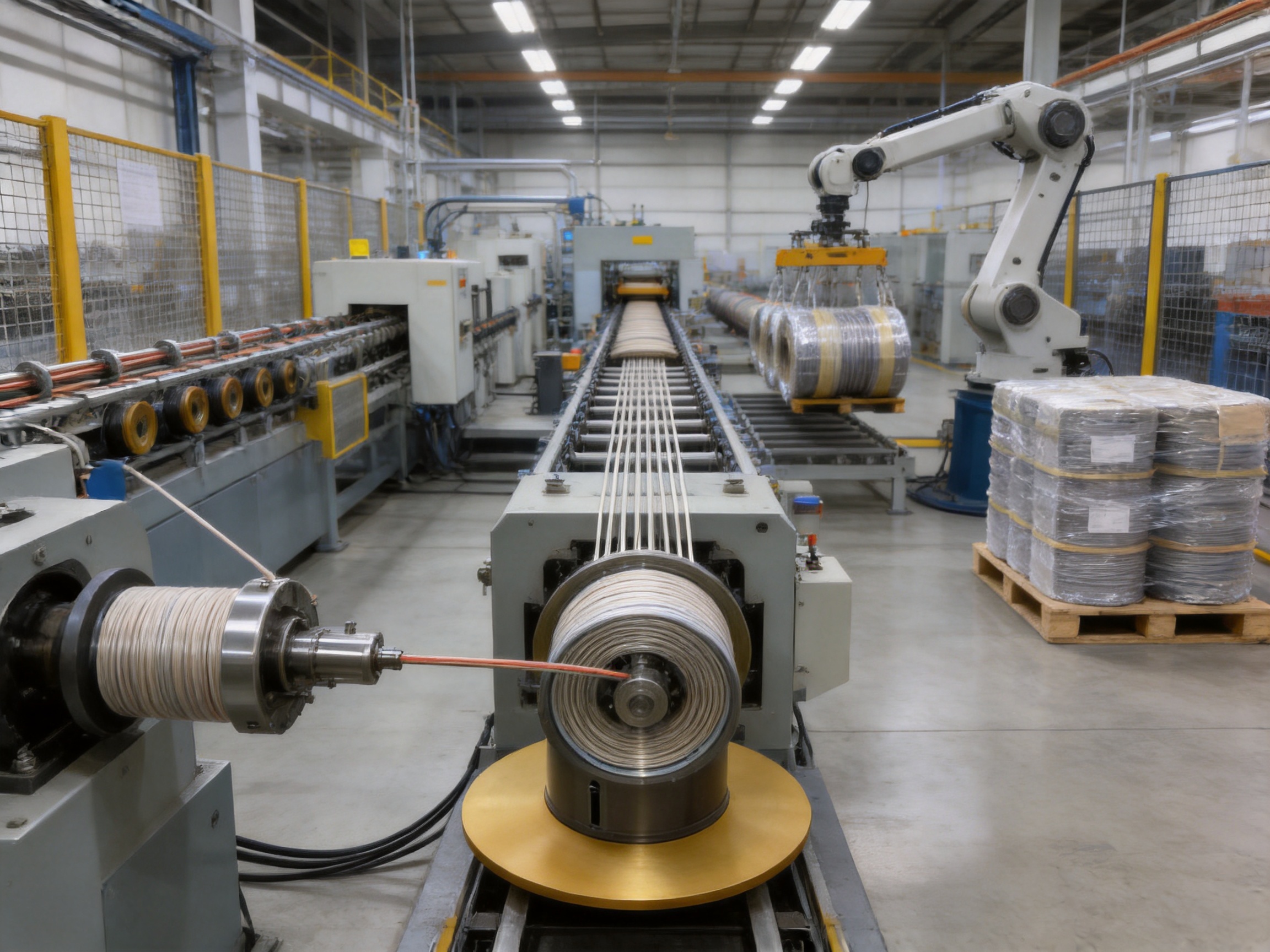
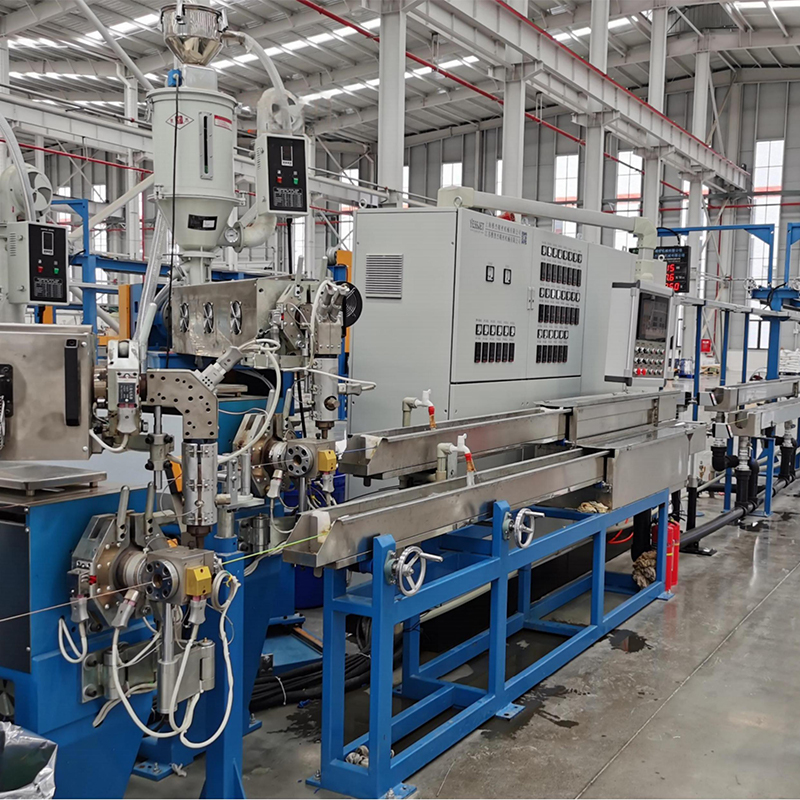
Cable extrusion lines may include pay-off equipment, extrusion systems, cooling sections, inspection devices, take-up equipment, and final packaging machinery. The coiling head is generally applied at the finishing end of the process, where continuous cable is converted into manageable coils or packages.
Because the extrusion process can produce cable continuously, the finishing system must accept the output smoothly. A suitable accessory helps the coiling equipment keep pace with the production process and supports a more organized transition from manufactured cable to packaged product.
Customized Production Lines
Manufacturers with specialized cable products may use customized machinery layouts. In these situations, the coiling head may need to fit a particular machine frame, coil diameter, cable route, or automation sequence. The customization capability of the accessory makes it suitable for such applications, provided that the technical parameters are confirmed in advance.
Selection Guide for Buyers and Engineers
Choosing the right cable coiling head requires cooperation between the user, machine supplier, and production team. The following factors should be reviewed before an order is confirmed.
1. Cable Outside Diameter
The cable outside diameter is one of the most basic selection parameters. The head must provide a suitable guiding relationship without creating excessive looseness or unnecessary restriction. If a production line handles several diameters, the user should identify whether one customized specification can cover the full range or whether multiple heads are preferable.
2. Cable Flexibility and Surface Characteristics
Flexible cables may behave differently from rigid cables during coiling. The insulation surface may also vary in friction, softness, and resistance to marking. These factors should be considered when determining the appropriate coiling-head design and operating method.
3. Target Coil Diameter and Width
The desired outer diameter, inner diameter, width, and overall shape of the finished coil should be clearly defined. These dimensions help determine whether a positioning configuration is required and how the accessory should be matched to the machine.
4. Machine Model and Mounting Interface
The machine model, installation location, mounting dimensions, and available working space should be provided. A replacement accessory is most effective when it can be installed accurately without extensive modification. Drawings, photographs, and measurements can help reduce communication errors.
5. Production Speed and Operating Method
Machine speed, manual or automatic operation, continuous or batch production, and the frequency of product changeover all influence the selection. High-volume automated lines generally place greater emphasis on repeatability and stable positioning, while flexible batch operations may benefit from a non-positioning design.
6. Downstream Packaging Requirements
If the coil will be wrapped, bound, labeled, or transferred by a robot, its shape and stability must meet the requirements of the next process. The coiling head should therefore be selected as part of the complete production workflow rather than evaluated only at the coiling station.
7. Replacement and Spare-Part Planning
Users should consider whether a spare coiling head is needed for maintenance and whether several cable products will require different configurations. Planned spare-part management can help reduce downtime and make production changes easier to organize.
| Selection Parameter | Information to Confirm | Why It Matters |
|---|---|---|
| Cable specification | Outside diameter, material, flexibility, surface condition | Determines the suitable guiding relationship |
| Coil specification | Inner diameter, outer diameter, width, weight | Supports the required finished-coil shape |
| Machine information | Model, drawings, mounting dimensions, working space | Ensures installation compatibility |
| Functional type | Positioning or non-positioning | Matches control and flexibility requirements |
| Production method | Manual, semi-automatic, or fully automatic | Influences repeatability and process integration |
| Downstream process | Wrapping, binding, labeling, robotic handling | Defines the necessary coil stability |
| Customization needs | Special size or interface requirements | Allows the accessory to match the actual application |
Installation and Operating Considerations
Before installation, the machine should be shut down and isolated according to the plant’s safety procedures. The existing coiling head should be removed carefully, and the mounting area should be checked for contamination, damage, loose fasteners, or deformation. A clean and stable mounting surface helps the replacement component perform as intended.
The new head should be compared with the approved dimensions and installation information before it is fitted. Operators should confirm the direction of cable travel, the relationship between the head and the rotating coiling mechanism, and the clearance between the cable and surrounding machine parts.
After installation, the machine should initially be operated at a low or controlled speed. The operator can observe cable movement, coil formation, contact conditions, and any signs of interference. If the head is a positioning type, the position should be checked carefully to ensure that the cable is guided into the intended path.
Trial production should be conducted with the actual cable specification whenever possible. A test using a different cable may not reveal issues caused by the real product’s stiffness, surface condition, or diameter. The trial should examine coil appearance, dimensional consistency, cable surface condition, and the ease of transfer to wrapping or binding equipment.
Routine maintenance should include visual inspection, cleaning, fastener checks, and observation of the cable contact area. If unusual noise, vibration, cable marking, unstable winding, or repeated coil deformation occurs, the accessory and the complete cable path should be inspected. Problems may result from incorrect adjustment, cable tension, machine alignment, or accessory mismatch.
How the Product Supports Production Efficiency
Production efficiency is created by the combined performance of equipment, materials, operators, and process controls. The cable coiling head contributes by supporting a stable and repeatable coiling action. When the cable is guided more consistently, operators may spend less time correcting finished coils or adjusting the machine between batches.
The replaceable structure also helps preserve equipment utilization. If a particular product requires a different coiling arrangement, the user can evaluate an accessory change rather than immediately investing in a new complete machine. This can provide a more economical path for companies expanding their product range.
Another benefit is process organization. Uniform coils are easier to wrap, bind, label, stack, and transport. They can also make inventory handling more predictable because the package dimensions are more consistent. For automated factories, stable coil geometry can support more reliable operation of robots and transfer devices.
In addition, a suitable coiling head can support better use of labor. Operators can focus on monitoring production, quality, and changeover rather than continuously correcting cable arrangement. The result is not only improved output but also a more manageable working process.
Advantages for Equipment Integrators
Equipment integrators often need to configure machinery for different cable manufacturers and product categories. A customizable coiling head gives integrators another way to adapt the finishing section to a customer’s actual production conditions.
The two available functional types allow the integrator to distinguish between applications that demand precise arrangement and those that require more flexible cable handling. This helps avoid overdesigning a simple process or under-supporting a high-precision automated line.
Because the accessory is associated with cable coiling, wrapping, and binding equipment, it can also be considered during the design of a complete turnkey solution. The integrator can coordinate the coiling head with motorized pay-off equipment, motorized take-up equipment, extrusion machinery, packaging equipment, and robotic stacking systems.
This approach can improve the consistency of the complete line. Each section is selected according to the behavior of the cable and the requirements of the final package. The accessory therefore becomes part of a wider engineering solution rather than an isolated replacement item.
Advantages for Cable Manufacturers
Cable manufacturers benefit from equipment that can adapt to changing market requirements. Customer orders may involve different conductor sizes, insulation types, package lengths, and delivery formats. A flexible coiling accessory can help the plant respond to this variation without making major changes to the entire production system.
The product is also suitable for companies that are upgrading older equipment. In many cases, the basic coiling machine remains mechanically useful while its original accessory no longer meets current production needs. Replacing the coiling head can be a targeted improvement that extends the value of the existing machine.
For manufacturers seeking more consistent product presentation, the positioning configuration can help produce coils with a more regular appearance. For companies that prioritize product flexibility, the non-positioning option can offer a broader operating range. Both approaches support different production strategies.
The ability to obtain customized sizes from a wire and cable machinery supplier can simplify procurement. Instead of purchasing a general component from one source and seeking technical adaptation elsewhere, the customer can discuss the accessory together with the relevant machine and cable process.
Manufacturing and Service Strengths
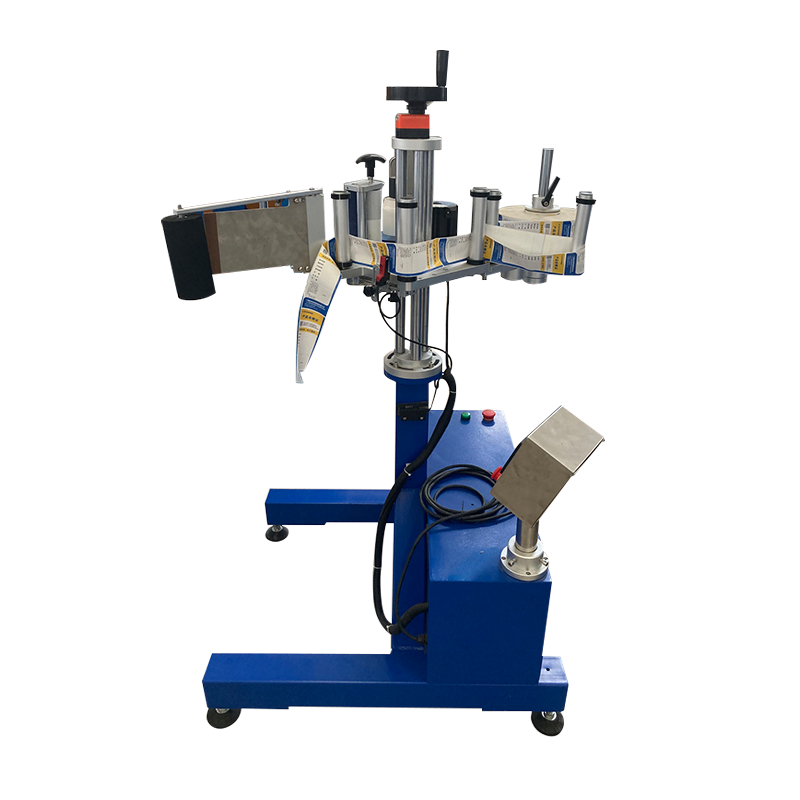
The supplier is a machinery manufacturer focused on wire and cable production equipment, including extrusion lines, fully automatic coiling and packaging equipment, intelligent robot stackers, coiling machines, motorized pay-off equipment, motorized take-up equipment, and accessory equipment. This product range demonstrates an understanding of the complete production chain rather than a narrow focus on one component.
Such a product structure is valuable when supplying a cable coiling head because the accessory must work within a larger mechanical and production environment. Knowledge of extrusion, take-up, coiling, packaging, and stacking supports more informed technical communication with customers.
The company’s manufacturing strength is also reflected in its ability to provide customized equipment and accessories. Customization requires coordination between customer requirements, engineering design, component production, assembly, inspection, and delivery. A supplier experienced in complete machinery is better prepared to manage this process systematically.
Professional production also means that accessory supply can be connected with broader after-sales needs. Customers may require replacement parts, equipment expansion, process adjustment, or a new production line in the future. Working with a machinery-focused supplier can provide continuity as the factory develops.
For international buyers, clear technical communication is particularly important. The supplier can evaluate cable information, equipment drawings, production goals, and functional preferences before recommending a positioning or non-positioning type. This reduces the likelihood of selecting a component based only on a general description.
Quality and Reliability in Long-Term Use
Reliability begins with correct selection. Even a well-manufactured coiling head cannot deliver its intended performance if its dimensions, mounting structure, or functional type do not match the application. Users should therefore provide complete and accurate technical information during the quotation and confirmation stages.
After selection, reliable operation depends on installation, alignment, cable tension, machine speed, and maintenance. The coiling head should be treated as part of a complete system. Regular inspection can identify problems before they develop into significant production interruptions.
Long-term value comes from the combination of durable manufacturing, replaceable design, customization, and application support. The accessory does not need to be viewed as a disposable commodity. It can be managed as a functional production component that helps maintain the performance of a cable finishing process.
When a plant establishes standard inspection and replacement procedures, the coiling head can be incorporated into routine equipment management. This makes it easier to monitor production quality, plan spare parts, and respond quickly when product specifications change.
Frequently Asked Questions
What machines can use this cable coiling head?
The cable coiling head is designed for cable coiling machines, cable coiling and wrapping machines, and cable coiling and binding machines. Compatibility should be confirmed according to the machine structure, mounting interface, cable dimensions, and required coiling method.
Is the coiling head available in different sizes?
Yes. The coiling head can be customized in size to match different cable specifications and equipment models. Customers should provide relevant cable and machine information so that the required dimensions can be evaluated accurately.
What is the difference between positioning and non-positioning types?
The positioning type guides the cable into a more defined location and is intended to support precise arrangement and consistent coil formation. The non-positioning type allows a more flexible cable path and may be better suited to irregular coiling scenarios or varied production conditions.
Can one coiling head handle multiple cable sizes?
This depends on the cable range, machine design, and required coil quality. A customized specification may cover multiple sizes, but some production programs may benefit from separate heads for different cable families. Technical evaluation is recommended before confirmation.
Why choose a replaceable coiling head instead of replacing the machine?
A replaceable accessory can provide a targeted way to adapt an existing machine to a new cable specification or coiling requirement. If the main machine remains suitable, replacing the working accessory may reduce investment, shorten changeover time, and extend equipment utilization.
Can the coiling head be used in an automatic packaging line?
Yes. It can be used with cable coiling and wrapping machines, cable coiling and binding machines, and other finishing equipment. For an automatic line, the coil dimensions, transfer method, and downstream packaging requirements should be confirmed as part of the complete system design.
What information should be supplied when requesting a quotation?
Useful information includes the cable outside diameter, cable material and flexibility, target coil dimensions, machine model, mounting dimensions, photographs or drawings of the installation area, required production speed, and whether a positioning or non-positioning configuration is preferred.
How can users reduce installation problems?
Users should confirm all technical dimensions before ordering, inspect the machine mounting area, follow safe installation procedures, and conduct a controlled trial after fitting the accessory. Testing with the actual cable product is preferable because different cables may behave differently during coiling.
Does the supplier provide other wire and cable machinery?
The product range includes wire and cable extrusion lines, fully automatic coiling and packaging equipment, intelligent robot stackers, coiling machines, motorized pay-off equipment, motorized take-up equipment, and accessory equipment. This allows customers to discuss a single accessory or a broader cable production solution.
How does the coiling head improve finished-coil quality?
By guiding the cable more consistently, the coiling head can support better loop arrangement, more stable coil dimensions, and a more orderly appearance. The actual result depends on correct customization, machine adjustment, cable properties, and operating conditions.
Recommended Procurement Process
A reliable procurement process begins with identifying the exact production problem or improvement objective. The user should determine whether the need is caused by a new cable size, inconsistent coiling, accessory wear, a machine upgrade, or integration with a wrapping or binding system.
Next, the customer should collect technical data. Cable dimensions, coil requirements, machine drawings, and photographs are often more useful than a general product description. This information allows the supplier to recommend the correct size and functional type.
After the initial recommendation, the dimensions and installation method should be reviewed by the production and maintenance teams. Any special requirements should be recorded before manufacturing. Clear confirmation at this stage helps prevent misunderstanding and reduces the need for later modification.
Upon receipt, the accessory should be inspected against the approved specification. Installation should be conducted safely, followed by low-speed testing and trial production. Feedback from the trial can be used to optimize alignment and operating parameters.
For factories with several cable products, it is advisable to create an accessory record. The record can include the applicable cable range, machine location, positioning type, installation information, and maintenance history. This supports future procurement and reduces changeover time.
Conclusion
The cable coiling head is a small but highly influential component in wire and cable finishing operations. By guiding cable movement during coiling, it contributes to coil arrangement, dimensional consistency, packaging efficiency, and stable machine operation. Its replaceable structure makes it a practical choice for maintenance, modernization, and production changeover.
The availability of positioning and non-positioning configurations allows the product to serve both precision-oriented and flexible coiling applications. Size customization further improves compatibility with different cable specifications and machine models. Compared with poorly matched generic alternatives, a customized coiling head can offer better application suitability, easier integration, and more predictable performance.
The supplier’s broader involvement in wire and cable extrusion lines, coiling systems, packaging equipment, take-up and pay-off machinery, robotic stacking, and accessory equipment provides an important engineering advantage. Customers can obtain the coiling head as an individual replacement part or consider it within a complete cable production solution.
For cable manufacturers and equipment integrators seeking improved coiling stability, efficient replacement, and adaptable production capability, the Cable Coiling Head provides a focused and practical solution. Proper technical selection, accurate customization, professional manufacturing, and correct installation together help the accessory deliver its full value in modern cable processing operations.
References
1. Wire and Cable Manufacturing Process Principles, industrial equipment and production engineering reference material.
2. Cable Coiling, Wrapping, and Binding Equipment: Application and Maintenance Guidelines.
3. Industrial Machinery Component Design and Dimensional Control Practices.
4. Principles of Cable Handling, Tension Control, and Finished-Coil Formation.
5. Manufacturing Quality Management for Customized Mechanical Accessories.
6. Production Line Integration for Wire and Cable Extrusion and Packaging Systems.
7. Industrial Equipment Maintenance, Replacement-Part Planning, and Changeover Management.