LANGUAGE
 中文简体
中文简体 русский
 Français
 Español
 Português
 عربى
عربى
Content
- 1 1. The Role of an Extruder in Cable Manufacturing
- 2 2. Main Product Advantages
- 3 3. Engineering for PP, PVC, and PE Materials
- 4 4. Comparison with Conventional Cable Extruders
- 5 5. Precision Plasticization and Product Quality
- 6 6. Standards and Quality Considerations
- 7 7. Manufacturing Strengths and Engineering Capability
- 8 8. Production Workflow Using the Extruder
- 9 9. Applications Across Cable Production
- 10 10. Operating Efficiency and Cost Control
- 11 11. Maintenance and Long-Term Reliability
- 12 12. Installation and Line Integration
- 13 13. Operator Training and Process Management
- 14 14. Why Choose a Specialized Cable Machinery Manufacturer?
- 15 15. Recommended Evaluation Criteria for Buyers
- 16 16. Frequently Asked Questions
- 16.1 Q1: What materials can the High-Efficiency Cable Extruder process?
- 16.2 Q2: What is the maximum production output?
- 16.3 Q3: How does the machine improve material utilization?
- 16.4 Q4: Can the machine switch between PP, PVC, and PE?
- 16.5 Q5: Why is a hardened helical gear reducer important?
- 16.6 Q6: How does intelligent power regulation help production?
- 16.7 Q7: Is the machine suitable for large-caliber cables?
- 16.8 Q8: What standards are referenced for the product?
- 16.9 Q9: Can the extruder be integrated into a complete cable production line?
- 16.10 Q10: What maintenance is required?
- 16.11 Q11: Who can benefit most from this machine?
- 17 17. Conclusion
- 18 References
- 19 Product: High-Efficiency PP PVC PE Cable Extruder
Modern cable manufacturers are under constant pressure to increase output, improve material utilization, control energy consumption, and respond quickly to changing product specifications. These demands are particularly important for companies producing insulated wires, power cables, control cables, communication cables, and other products that require stable polymer extrusion. A production line must do more than melt and shape plastic. It must deliver consistent insulation thickness, reliable surface quality, repeatable dimensions, and dependable operation across different material types.
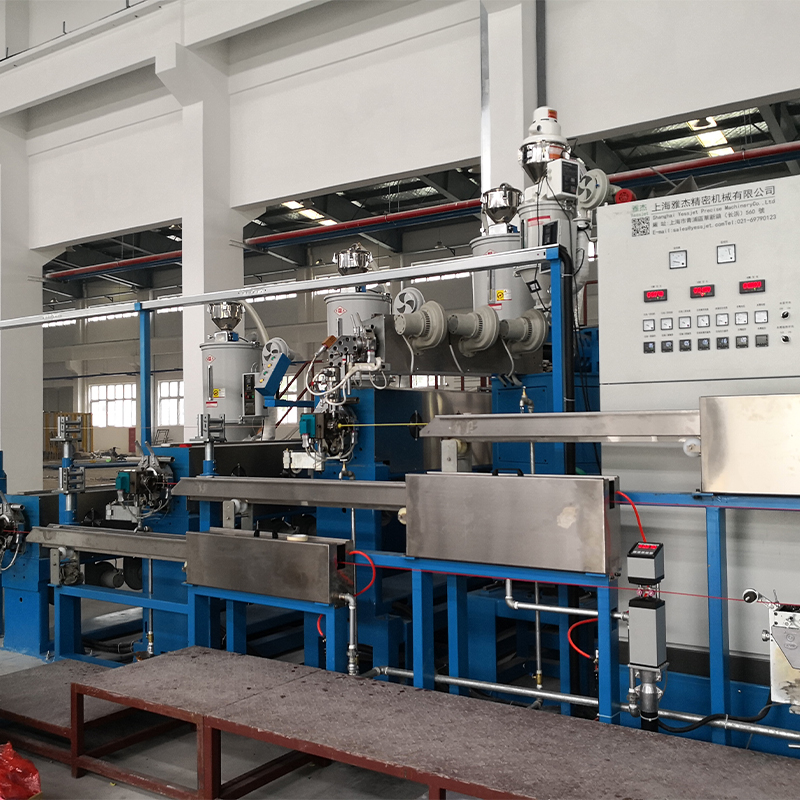
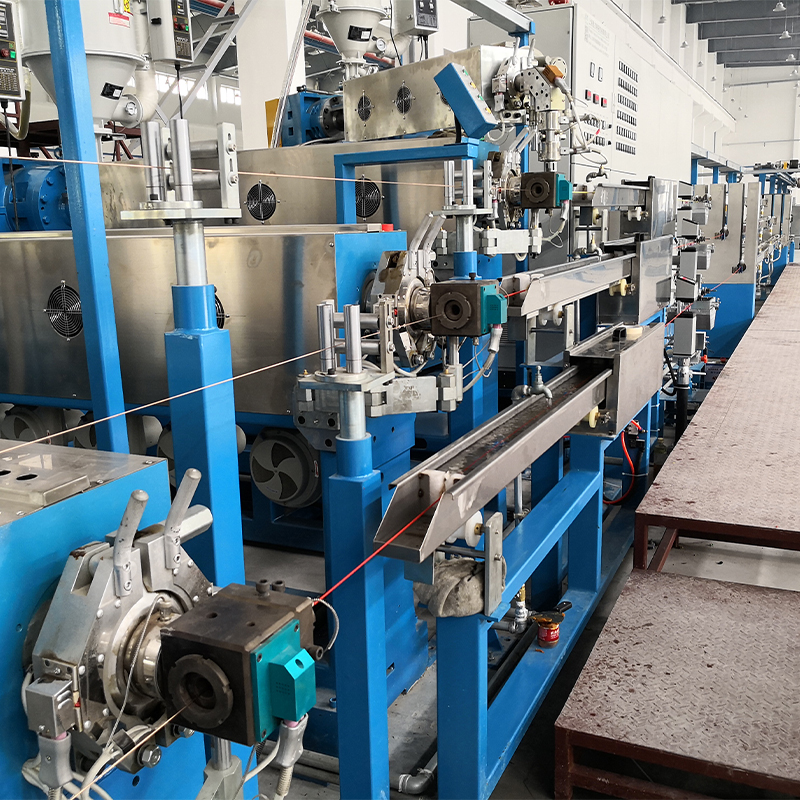
The High-Efficiency PP PVC PE Cable Extruder is designed as a multifunctional core machine for this demanding environment. It supports the extrusion of polypropylene, polyvinyl chloride, and polyethylene materials for cable insulation and jacketing applications. By combining a precision plasticization system, advanced torque transmission, a hardened helical gear reducer, and intelligent power regulation, the machine is intended to provide high production efficiency while maintaining stable process control.
For manufacturers seeking a flexible alternative to single-material extrusion equipment, this cable extruder offers an integrated approach. It is suitable for production environments in which material selection changes according to cable design, electrical requirements, mechanical performance, environmental conditions, or customer specifications. Its maximum output of up to 240 kg/h for large-caliber cable applications also gives it the capacity required for demanding industrial production.
The equipment is supplied by Shanghai Yessjet Precise Machinery Co., Ltd., a Chinese manufacturer focused on wire and cable machinery, cable production line solutions, coiling equipment, take-up and pay-off systems, packaging equipment, and related automation. The company’s product range enables customers to develop complete cable manufacturing workflows rather than purchasing isolated machines without system compatibility.
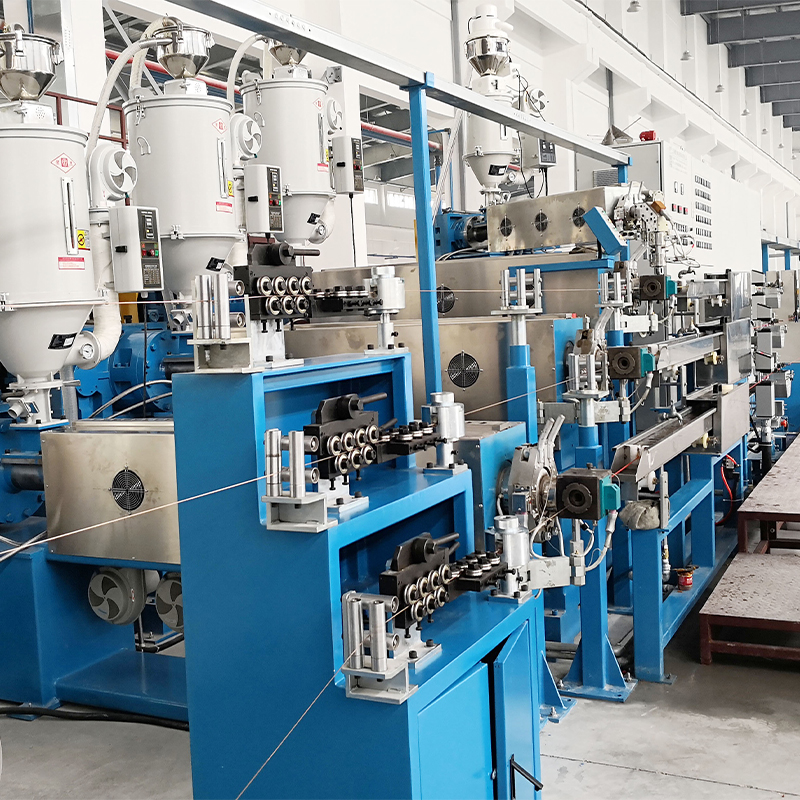
High-Efficiency PP PVC PE Cable Extruder
1. The Role of an Extruder in Cable Manufacturing
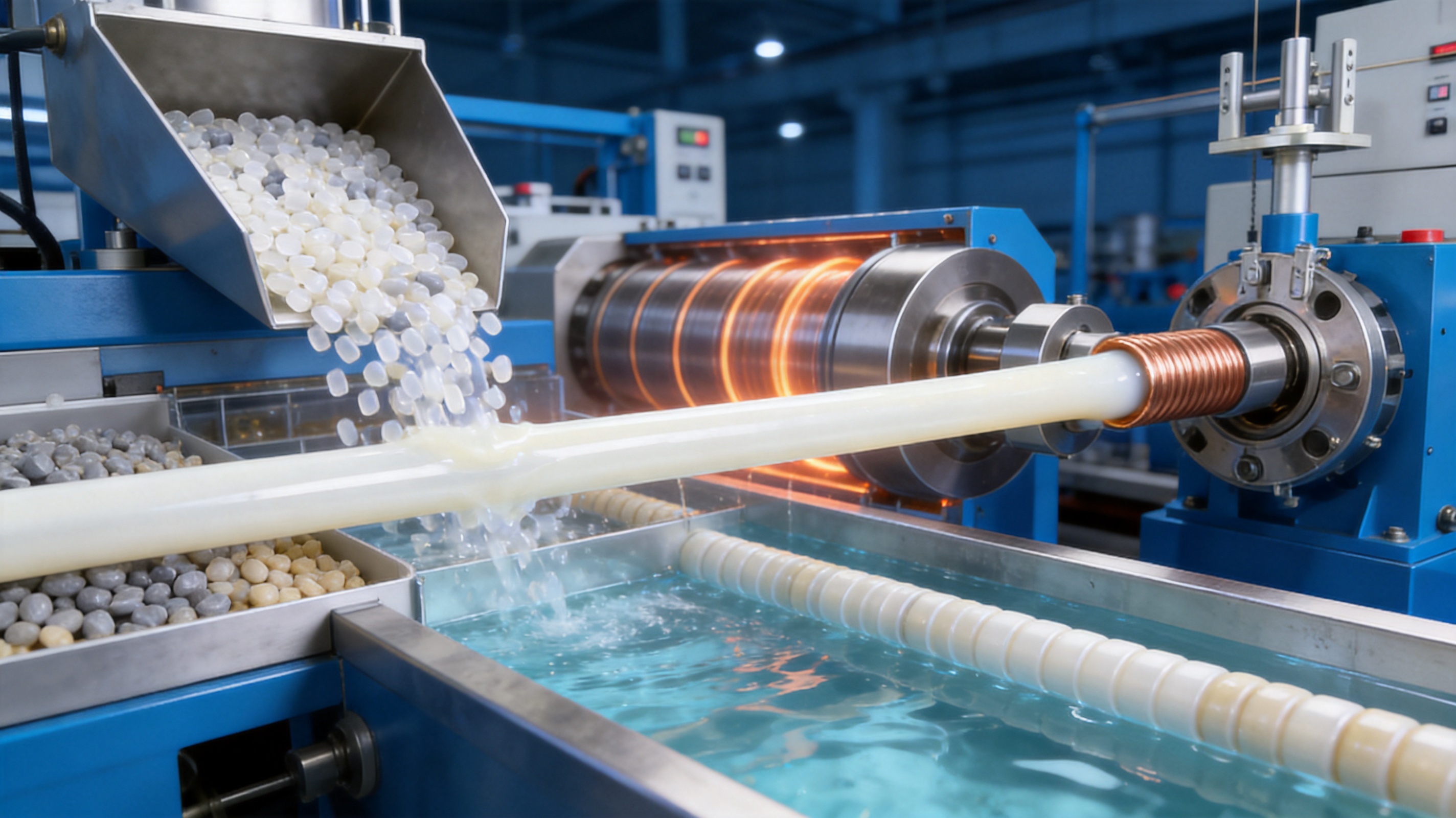
In a cable production line, the extruder is responsible for transforming polymer pellets or other plastic compounds into a continuous, uniform layer around a conductor or cable core. This process requires synchronized mechanical, thermal, and electrical control. The polymer must be conveyed through the barrel, heated to the correct processing condition, plasticized without excessive degradation, and forced through a die at a controlled rate.
The extruded material then forms the insulation or outer jacket of the cable. Any instability in pressure, temperature, screw speed, or material feeding can affect the finished product. Common consequences include uneven wall thickness, surface roughness, air bubbles, poor adhesion, dimensional variation, and electrical performance problems. The extruder therefore has a direct influence on product quality, production speed, material consumption, and operating cost.
Different polymer families create different processing challenges. PP has a crystalline structure and requires controlled melting and cooling behavior. PVC is an amorphous material that may be more sensitive to thermal history and shear conditions. PE can vary significantly according to density, compound formulation, and application requirements. A machine that is expected to work with all three materials must be capable of maintaining stable operating conditions when processing characteristics change.
The High-Efficiency PP PVC PE Cable Extruder is developed around this multi-material requirement. Its configuration is intended to support stable extrusion when manufacturers switch between PP, PVC, and PE. This flexibility can reduce the need for separate dedicated machines, simplify production planning, and allow a factory to respond more efficiently to orders involving different cable constructions.
2. Main Product Advantages
2.1 Multi-Material Processing Capability
One of the most important advantages of the machine is its compatibility with PP, PVC, and PE materials. This makes it suitable for cable manufacturers that produce several product families or need to change formulations during normal production operations.
PP may be selected for applications requiring a combination of electrical insulation performance, low density, and relatively strong mechanical characteristics. PVC is widely used for general-purpose insulation and jacketing because it can be formulated for different levels of flexibility, flame behavior, and environmental resistance. PE is often chosen where moisture resistance, electrical performance, and controlled mechanical properties are important.
By supporting these material types on one extrusion platform, the machine can improve equipment utilization. A factory does not need to keep every line dedicated to a single polymer unless its production volume or process requirements make that necessary. Instead, production managers can allocate machine time according to order schedules, material availability, and cable specifications.
Multi-material compatibility also supports more efficient capital planning. Purchasing one versatile extrusion platform may be more practical than investing immediately in several narrow-purpose machines. The final choice will depend on output requirements, compound formulations, tooling, and product range, but the ability to work with different polymer families provides an important competitive advantage.
2.2 High Material Utilization
The product description indicates that the precision plasticization and torque transmission systems can increase material utilization by 15 percent compared with conventional models. In cable manufacturing, even a moderate improvement in material utilization can have a significant financial impact because polymer compounds represent a major portion of production cost.
Material utilization is affected by several factors, including extrusion stability, start-up waste, dimensional consistency, over-insulation, process adjustment, and scrap generation. When the extruder maintains a more consistent output, operators can reduce the safety margin that is sometimes added to compensate for process variation. More accurate control of the polymer flow can help the manufacturer approach the target insulation or jacket dimensions without unnecessary excess material.
Reduced waste also supports more sustainable manufacturing. Less discarded polymer means lower raw material consumption, fewer rejected cable lengths, and improved resource efficiency. For companies monitoring production waste as part of environmental or cost-control programs, the machine’s material utilization advantage may be particularly valuable.
The stated 15 percent improvement should be evaluated in relation to the customer’s existing equipment, material formulations, cable sizes, tooling, operating procedures, and production conditions. Nevertheless, the design focus on efficient plasticization and stable torque transfer directly addresses the factors that commonly influence polymer waste.
2.3 Maximum Output of up to 240 kg/h
For large-caliber cable production, output capacity is an essential consideration. The High-Efficiency PP PVC PE Cable Extruder is specified with a maximum output of up to 240 kg/h. This capacity enables the machine to support high-volume production where a continuous supply of insulation or jacket material is required.
High output is valuable only when it is combined with quality stability. Increasing screw speed without maintaining proper plasticization, melt temperature, pressure, and cooling can result in inconsistent product quality. The machine’s torque transmission system and intelligent power regulation are intended to support a more balanced relationship between throughput and process control.
Manufacturers can use the available capacity to reduce production time for large orders, improve line productivity, and support larger cable sizes. Depending on the production configuration, actual output will be influenced by the polymer compound, conductor diameter, insulation thickness, die design, cooling capacity, line speed, and required surface quality. The stated maximum should therefore be understood as an upper production reference rather than a universal output value for every cable specification.
2.4 Stable Torque Transmission
Torque transmission is central to the reliable operation of a screw extruder. The screw must receive sufficient and consistent torque to convey, melt, mix, and pressurize the polymer. Fluctuations in torque can create unstable output, motor overload, irregular melt pressure, or difficulty during changes in material condition.
The machine integrates advanced torque transmission technology to support efficient transfer of drive power to the extrusion screw. This is particularly important when processing materials with different melting characteristics. A system that can respond effectively to changing resistance can contribute to smoother operation and more consistent polymer flow.
Stable torque also helps the machine operate with greater mechanical confidence at higher production rates. When the drive system is properly matched to the screw and process load, the extruder can maintain a more predictable operating condition. This reduces the risk that small changes in material feeding or thermal conditions will cause significant fluctuations in output.
2.5 Hardened Helical Gear Reducer
The hardened helical gear reducer is another important feature of the equipment. A reducer must transmit power efficiently while handling the continuous load generated by the extrusion screw. In industrial cable production, the reducer is exposed to long operating cycles, repeated starts and stops, and variations in processing resistance.
Hardened gears are designed to provide improved wear resistance and load-bearing performance. The helical gear arrangement supports smooth power transmission and can help reduce mechanical vibration compared with less advanced gear configurations. Lower vibration may contribute to a more stable extrusion process, less mechanical stress, and improved operator comfort.
A robust reducer also supports long-term equipment value. The precise performance of the extrusion screw depends partly on the stability of the drive system. When the reducer maintains accurate speed transmission and reliable torque delivery, the machine can support more consistent production over an extended service life.
2.6 Intelligent Power Regulation
Power regulation affects both operating cost and process stability. Conventional extrusion systems may continue consuming high power even when the actual process load changes. Intelligent regulation can adjust power use according to the operating demand, helping the machine avoid unnecessary energy consumption.
For cable manufacturers operating multiple shifts, energy savings can accumulate over thousands of production hours. More efficient power management may reduce the cost per kilogram of finished cable while also lowering the thermal and electrical stress placed on the drive system. This is especially relevant for manufacturers seeking to improve production efficiency without increasing the installed footprint of their factory.
Intelligent power regulation also supports process responsiveness. When the material load changes, the control system can help the drive system maintain appropriate operating conditions. The result is a more coordinated relationship between motor power, screw speed, material throughput, and extrusion pressure.
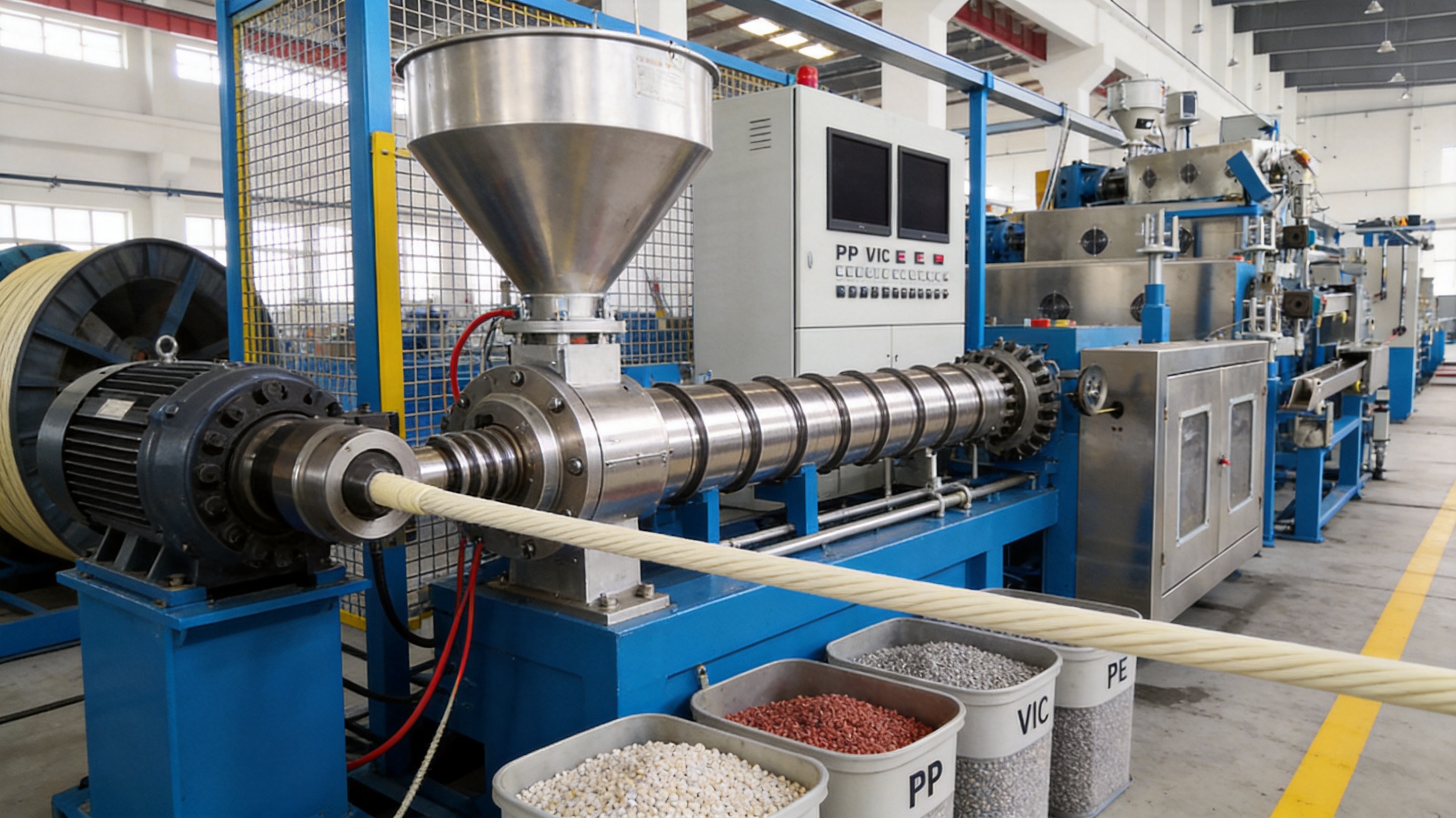
3. Engineering for PP, PVC, and PE Materials
3.1 Processing Polypropylene
Polypropylene is a crystalline thermoplastic with processing behavior that differs from amorphous materials. Its melting and solidification characteristics require appropriate temperature management and controlled shear. If the material is not plasticized evenly, the extruded layer may show surface defects or dimensional inconsistency.
For PP cable applications, the extruder must provide effective conveying and melting while avoiding unnecessary thermal exposure. Stable screw rotation and accurate temperature management are important for maintaining a uniform melt. The machine’s torque transmission structure is intended to support the mechanical load associated with PP processing and high-throughput operation.
When PP is used for insulation or jacketing, production teams must also coordinate the extruder with the die, cooling system, conductor preheating conditions, and downstream haul-off equipment. A capable extruder provides the foundation, but the complete line must be tuned as one integrated system.
3.2 Processing Polyvinyl Chloride
PVC is an amorphous polymer that can be sensitive to temperature, shear, residence time, and compound formulation. Excessive thermal stress may affect the material, while insufficient plasticization can cause rough surfaces, poor fusion, or unstable flow. The processing window must therefore be managed carefully.
The equipment is designed to maintain stable extrusion when switching between PVC and other polymer types. Its power regulation and plasticization systems support consistent operation during material changes, although operators must still follow the recommended processing parameters for each PVC compound.
PVC cable insulation and jackets may require different levels of flexibility, hardness, flame resistance, and environmental performance. These properties are affected by the formulation and not solely by the extruder. However, a stable extrusion system helps the compound achieve its intended physical form and reduces the likelihood of defects caused by irregular melting or inconsistent output.
3.3 Processing Polyethylene
Polyethylene is used in many wire and cable applications because of its electrical insulation characteristics, moisture resistance, and broad range of available grades. Different PE formulations can have different melt flow properties and processing conditions. A flexible cable extrusion machine must be able to accommodate these differences through suitable temperature, speed, and pressure settings.
Stable conveying is especially important when the cable line is running continuously. Irregular feeding or melt pressure can produce changes in insulation thickness or jacket diameter. The precision plasticization system is intended to help create a more uniform melt before the material reaches the extrusion die.
When PE is used for larger cables, the required material flow can be substantial. The machine’s high output capability makes it suitable for demanding production conditions, provided that the tooling, cooling, haul-off, and take-up systems are correctly matched to the desired line speed.
4. Comparison with Conventional Cable Extruders
Many conventional extruders are designed around a narrower set of operating priorities. Some may be optimized for a single polymer, while others may offer high nominal output but lack the process stability needed for consistent product quality. Older equipment may also use less efficient drive systems, create more start-up waste, or require extensive manual adjustment when production changes.
The High-Efficiency PP PVC PE Cable Extruder differentiates itself by combining material flexibility, output capability, torque control, gear durability, and power management in one machine. Its competitive value is not based on one isolated specification. Instead, it comes from the way these systems support one another during actual production.
| Performance Area | Conventional Equipment Challenge | High-Efficiency Extruder Advantage | Potential Manufacturing Benefit |
|---|---|---|---|
| Material compatibility | May be optimized for one polymer family | Designed for PP, PVC, and PE processing | Greater scheduling flexibility and equipment utilization |
| Material utilization | Higher waste caused by dimensional variation and adjustment | Precision plasticization and stable output | Lower raw material consumption and reduced scrap |
| Drive performance | Torque fluctuations under changing load | Advanced torque transmission system | More consistent conveying and extrusion pressure |
| Gear system | Standard reducers may experience faster wear | Hardened helical gear reducer | Improved durability and smooth power transfer |
| Energy management | Power consumption may remain high under variable loads | Intelligent power regulation | Potentially lower energy use per unit of output |
| Large-cable production | Limited throughput at larger dimensions | Output of up to 240 kg/h for large-caliber applications | Higher production capacity and shorter order lead times |
Competitor comparisons should always be based on the complete technical configuration, including screw geometry, barrel heating, die design, control software, cooling capacity, line speed, and after-sales support. Even so, the combination of multi-material capability and efficiency-focused engineering gives this model a strong position for manufacturers that need versatility without sacrificing industrial productivity.
5. Precision Plasticization and Product Quality
Plasticization is more than simply heating polymer until it becomes fluid. The material must be melted, mixed, homogenized, and pressurized in a controlled manner. Poor plasticization can lead to unmelted particles, color variation, surface defects, inconsistent mechanical properties, and unstable extrusion pressure.
The precision plasticization system in this machine is intended to improve the uniformity of the polymer melt. A more homogeneous melt can support better surface quality and more consistent dimensional control at the die. It may also help reduce the amount of excess material used to achieve the required insulation or jacket thickness.
For cable manufacturers, dimensional consistency is essential. An insulation layer that is too thin may fail to provide the required electrical or mechanical protection. An excessively thick layer increases material cost, cable diameter, weight, and sometimes downstream handling difficulty. Stable plasticization therefore contributes to both compliance and economic performance.
Operators can further improve quality by establishing documented recipes for different polymer compounds and cable sizes. These recipes may include barrel temperatures, screw speed, line speed, cooling conditions, conductor preheating, and take-up tension. The extruder’s repeatable mechanical performance makes it easier to standardize such recipes across production shifts.
6. Standards and Quality Considerations
The product is described as compliant with IEC 60228 and ASTM D2240 standards. IEC 60228 is associated with conductors of insulated cables and provides important guidance for conductor classifications and related electrical characteristics. ASTM D2240 is widely associated with the measurement of rubber and plastic hardness using durometers.
These references are relevant to cable manufacturing because the finished product must satisfy defined electrical, mechanical, and dimensional expectations. The extruder itself is one part of the compliance process. The final cable’s performance also depends on conductor material, polymer formulation, die tooling, cooling, line calibration, testing procedures, and quality management.
Manufacturers should confirm the specific standard edition, product category, test method, and customer requirements applicable to each cable. They should also validate the finished cable through appropriate testing, such as dimensional inspection, conductor resistance measurement, tensile and elongation testing, insulation performance checks, hardness testing where applicable, and visual examination.
A stable extrusion machine helps create repeatable production conditions, which is essential for effective quality assurance. When output and dimensions remain consistent, testing results become easier to analyze and corrective action becomes more targeted.
7. Manufacturing Strengths and Engineering Capability
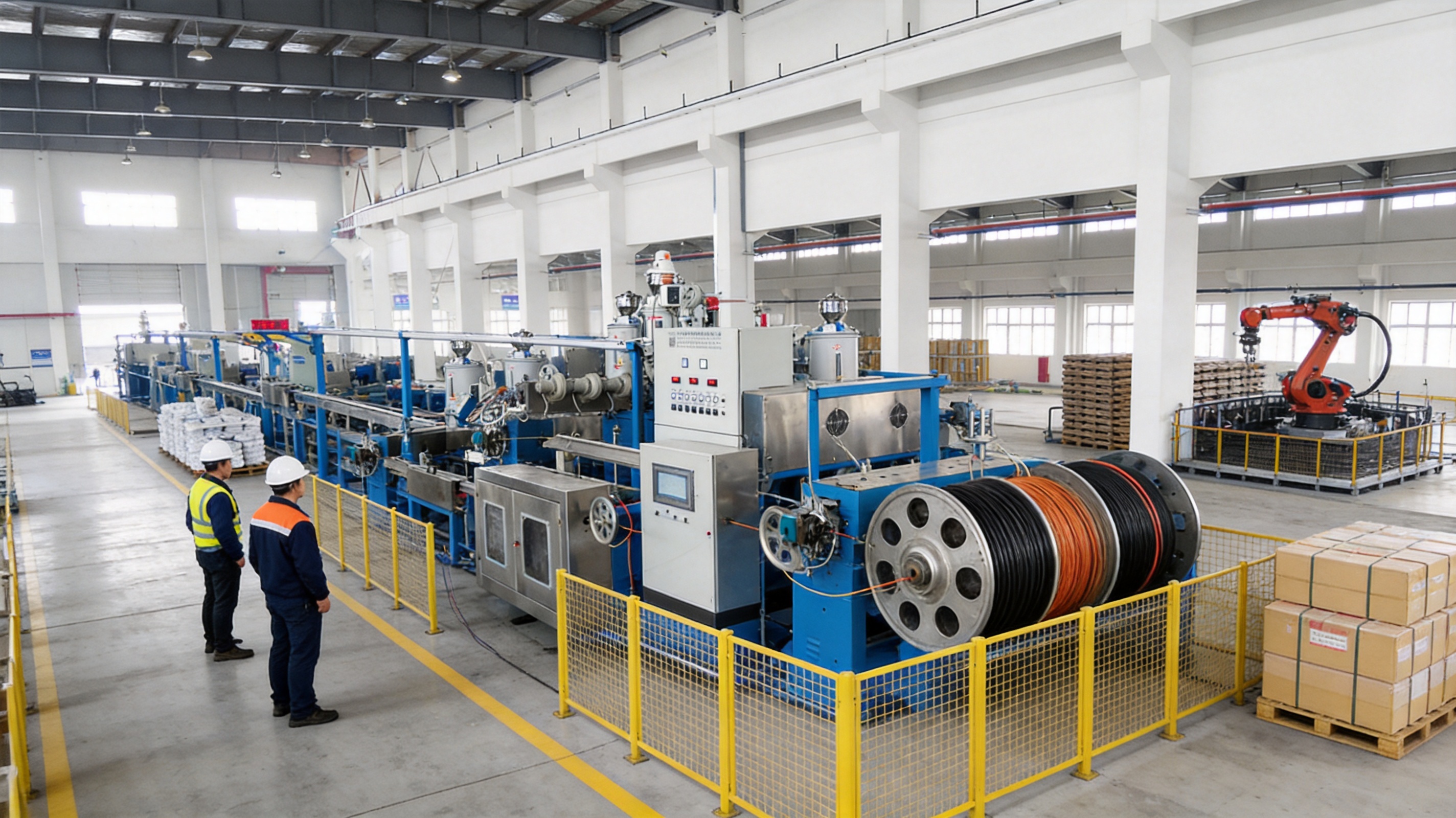
Shanghai Yessjet Precise Machinery Co., Ltd. focuses on wire and cable production machinery rather than treating the extruder as an isolated general-purpose plastic processing machine. This specialization is important because cable extrusion requires coordination with conductor pay-off, preheating, cooling, spark testing, haul-off, take-up, coiling, packaging, and sometimes robotic stacking.
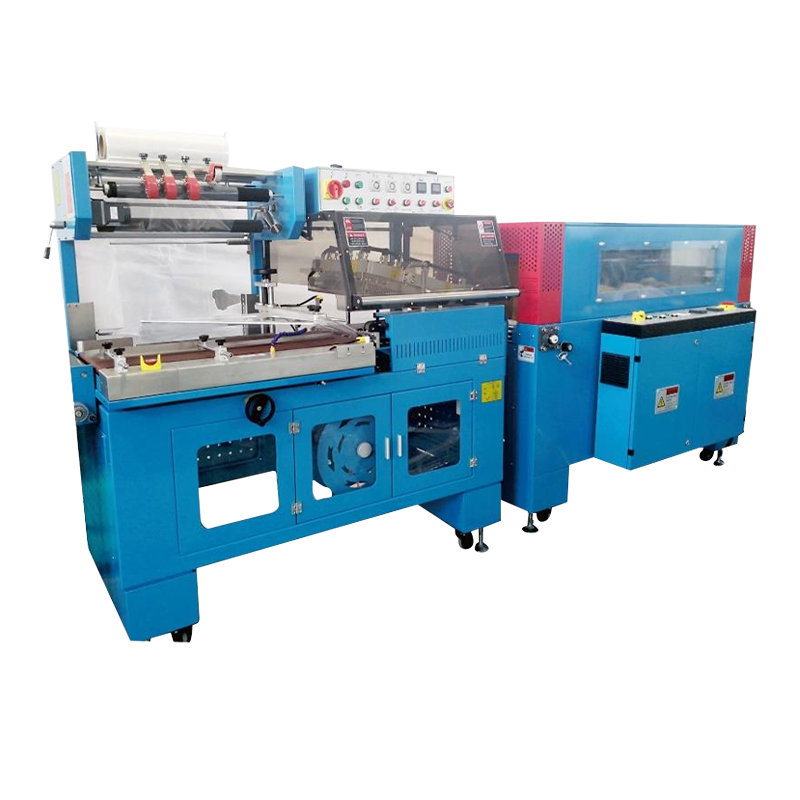
The company’s broader equipment portfolio includes wire and cable extrusion lines, fully automatic coiling packaging equipment, intelligent robot stackers, coiling machines, motorized pay-off equipment, motorized take-up equipment, accessory equipment, and cable extrusion machines. This product scope allows the supplier to understand the full production sequence and design equipment around the customer’s actual workflow.
A manufacturer with a complete wire and cable machinery portfolio can provide more than a basic extruder frame and motor. It can help coordinate machine interfaces, line speed, cable tension, reel dimensions, control communication, and production layout. This integrated perspective is valuable when a customer is developing a new line, expanding capacity, or replacing older equipment.
7.1 Integrated Mechanical Design
The extruder combines a drive system, reducer, screw and barrel assembly, heating and temperature-control components, material conveying structure, and control functions. Each part must be selected and assembled to work within a coordinated load range. Mechanical alignment is especially important because the screw operates continuously under torque and pressure.
The use of a hardened helical gear reducer reflects an emphasis on industrial durability. The drive train must be capable of transmitting power smoothly, resisting wear, and supporting long operating cycles. This type of mechanical foundation is important for factories that run several shifts or produce large cable sizes.
7.2 Process-Oriented Development
Cable extrusion equipment should be developed around real production requirements rather than nominal machine specifications alone. The relevant questions include how quickly the machine reaches stable operation, how easily operators can change materials, how much start-up waste is generated, how consistently the line maintains dimensions, and how well the extruder communicates with downstream equipment.
The High-Efficiency PP PVC PE Cable Extruder reflects this process-oriented approach by emphasizing material utilization, multi-material performance, power regulation, and output. These priorities correspond directly to the operating concerns of cable factories seeking lower production costs and improved productivity.
7.3 Support for Turnkey Solutions
A cable production line often includes multiple machines that must operate in sequence. The pay-off must release the conductor at a controlled tension. The extruder must apply the insulation or jacket at a synchronized rate. Cooling must solidify the polymer without damaging the surface. The take-up must collect the finished cable evenly. Coiling and packaging equipment must then prepare the product for storage or shipment.
Because the company provides equipment across these stages, it is positioned to support turnkey or semi-integrated cable production solutions. This can simplify project communication and reduce the risk of purchasing machines with incompatible control logic, speed ranges, reel specifications, or production capacities.
8. Production Workflow Using the Extruder
8.1 Material Preparation
Production begins with the preparation of the selected polymer compound. PP, PVC, and PE materials should be stored and handled according to their technical requirements. Material cleanliness, moisture control, batch identification, and correct formulation are important for stable output.
Where additives, colorants, fillers, or specialized compounds are used, the production team should confirm that the material is suitable for the selected screw, temperature range, and cable application. Consistent material preparation reduces the burden on the extrusion process and helps maintain repeatable product properties.
8.2 Conductor Pay-Off
The conductor or cable core is introduced into the line through a pay-off system. A motorized pay-off can help regulate tension and maintain a stable supply as the coil or reel diameter changes. Correct tension is important because the position of the conductor inside the extrusion die influences insulation concentricity and finished dimensions.
The pay-off must be matched to the conductor size, reel weight, line speed, and required tension range. A stable upstream feed allows the extruder to apply the polymer layer more evenly and reduces the possibility of interruptions caused by conductor movement.
8.3 Extrusion and Die Application
The polymer is conveyed through the extruder, heated, plasticized, and pressurized before reaching the die head. The die applies the material around the conductor or cable core. Die selection and adjustment determine the basic geometry of the insulation or jacket.
At this stage, screw speed, melt temperature, pressure, conductor speed, and die centering must be coordinated. The machine’s stable torque transmission and intelligent power regulation support this coordination by helping maintain a consistent polymer flow under changing process loads.
8.4 Cooling and Sizing
After leaving the die, the hot polymer layer must be cooled and stabilized. The cooling system should be arranged to prevent distortion, surface damage, or uneven solidification. Water temperature, water flow, cooling length, and cable speed all influence the final dimensions.
For larger cables, sufficient cooling capacity is particularly important because the polymer layer contains more heat and may require a longer cooling path. The extruder’s output capacity should therefore be evaluated together with the downstream cooling system rather than considered independently.
8.5 Inspection and Take-Up
After cooling, the insulated or jacketed cable may pass through dimensional inspection, spark testing, marking, or other quality-control stations. A motorized take-up then collects the finished cable onto a reel or into a coiling system.
Take-up tension must be controlled carefully. Excessive tension can stretch the cable or deform the insulation, while insufficient tension can produce loose winding and poor reel formation. The extruder and take-up should operate with synchronized speed control to protect cable quality throughout the line.
9. Applications Across Cable Production
The machine is suitable for manufacturers producing a broad range of insulated wire and cable products. Potential applications include general-purpose PVC-insulated wires, PE-insulated cables, PP-insulated conductors, cable jackets, control cables, industrial cables, power cable components, and other products requiring continuous polymer coating.
Its value is especially clear in factories with a mixed order book. A manufacturer may receive one order requiring PVC insulation, another requiring PE jacketing, and a third requiring PP-based production. A multi-material extruder can help manage these requirements without forcing the factory to dedicate every machine to a single product family.
Large-caliber cable producers can also benefit from the machine’s stated output capability. Higher material throughput can support longer continuous production runs and reduce the time required to complete heavy cable orders. However, the complete line must be designed to manage the increased cable mass, cooling demand, pulling force, and take-up load.
10. Operating Efficiency and Cost Control
Production cost in cable manufacturing is influenced by polymer consumption, electricity, labor, maintenance, downtime, quality losses, and production speed. The extruder addresses several of these categories through its design.
Improved material utilization can reduce the cost of polymer per meter of cable. Intelligent power regulation may reduce energy consumption during changing loads or optimized production conditions. The hardened reducer and robust torque transmission system are intended to support reliability and minimize mechanical interruptions. Multi-material capability can improve machine utilization by allowing more orders to run on the same platform.
Efficiency also depends on changeover management. When switching from one material to another, the operator must follow appropriate cleaning and purging procedures. The changeover sequence should be planned to minimize residual material, avoid contamination, and reach stable dimensions quickly. A well-organized production recipe system can make these transitions more predictable.
Manufacturers should measure efficiency using practical indicators such as kilograms per hour, kilowatt-hours per kilogram, start-up scrap, material loss during changeover, unplanned downtime, first-pass acceptance rate, and maintenance hours. These measurements provide a more reliable assessment than nominal output alone.
11. Maintenance and Long-Term Reliability
Regular maintenance is essential for protecting the performance of any cable extruder. The screw, barrel, reducer, heaters, temperature sensors, drive motor, electrical cabinet, and material feeding components should be inspected according to a documented maintenance schedule.
Reducer maintenance may include checking lubricant condition, monitoring abnormal noise or vibration, inspecting seals, and confirming that the gear system operates within the recommended temperature range. Proper lubrication is particularly important for maintaining the service life of hardened helical gears.
The screw and barrel should be checked for wear, especially when processing compounds containing abrasive fillers or additives. Wear can reduce conveying efficiency, affect pressure stability, and increase material residence time. Early detection allows components to be repaired or replaced before they create substantial production losses.
Temperature-control systems should also receive regular attention. Faulty heaters, sensors, or control connections can cause uneven melting and unstable output. Electrical terminals, cooling fans, ventilation paths, and protective devices should be inspected to support safe and consistent operation.
Preventive maintenance is generally more economical than emergency repair. A factory that records operating hours, material types, output levels, alarm history, and component replacement dates can identify patterns and plan service during scheduled production breaks.
12. Installation and Line Integration
Before installation, the customer should confirm the available floor space, power supply, ventilation, cooling water, compressed air if required, material handling arrangements, and cable routing. The extruder should be positioned so that operators can access the hopper, control cabinet, die area, and maintenance points safely.
Integration with pay-off and take-up equipment requires careful attention to line speed and tension. The control system should allow the operator to coordinate the main extruder drive with upstream and downstream equipment. If the line includes coiling, packaging, or robotic stacking, the final production rate and product handling sequence must be considered during the layout stage.
Tooling selection is also important. The die and tip must correspond to the conductor diameter, insulation thickness, polymer type, and required concentricity. A high-performance extruder cannot compensate for unsuitable tooling or incorrect die alignment.
Commissioning should include empty-running checks, temperature verification, low-speed material trials, pressure observation, dimensional inspection, and gradual increases in line speed. Operators should record the conditions under which stable output is achieved so that approved production recipes can be created.
13. Operator Training and Process Management
Operator skill has a direct effect on extrusion performance. Training should cover material identification, temperature settings, screw-speed adjustment, start-up and shutdown procedures, die cleaning, emergency response, quality inspection, and safe handling of hot polymer and rotating equipment.
Operators should understand that PP, PVC, and PE cannot necessarily be processed using the same temperature profile or screw speed. Each material requires a controlled recipe based on its formulation and cable application. Sudden changes should be avoided unless they are part of an approved process adjustment.
Process documentation should include product dimensions, conductor specifications, polymer batch information, extruder settings, line speed, cooling conditions, inspection results, and any deviations. This information supports traceability and makes it easier to reproduce successful production conditions.
Effective training also reduces dependence on individual experience. When procedures are documented clearly, different shifts can operate the machine more consistently. This is important for manufacturers supplying customers who expect stable cable performance from one production batch to the next.
14. Why Choose a Specialized Cable Machinery Manufacturer?
A specialized cable machinery manufacturer understands that extrusion is only one stage in a connected production system. The performance of the final product depends on the interaction between material preparation, conductor feeding, extrusion, cooling, inspection, take-up, coiling, packaging, and storage.
Shanghai Yessjet Precise Machinery Co., Ltd. offers equipment covering several of these stages. Its portfolio includes cable extrusion machines as well as motorized pay-off units, motorized take-up units, coiling machines, automatic coiling and packaging equipment, intelligent robot stackers, and accessory equipment. This breadth supports customers that need a complete line or want to upgrade selected sections of an existing factory.
A specialized supplier can also provide more practical guidance during equipment selection. For example, a customer producing large-caliber PVC cable may need different cooling and take-up arrangements from a customer producing small-diameter PE-insulated wire. Understanding these differences helps the supplier recommend a more suitable configuration.
Project communication is another benefit. When multiple line components come from a coordinated source, it may be easier to define responsibilities for mechanical interfaces, control signals, installation support, and production testing. This can reduce integration uncertainty during commissioning.
15. Recommended Evaluation Criteria for Buyers
Manufacturers evaluating a cable extruder should consider the complete production objective rather than focusing only on motor power or maximum output. Important questions include the following:
What polymer materials and formulations will be processed most frequently?
What conductor sizes and insulation or jacket thicknesses are required?
What is the expected output in kilograms per hour and meters per minute?
How much material waste occurs during start-up and changeover on the existing line?
What level of dimensional and concentricity control is required?
Can the extruder integrate with the existing pay-off, cooling, haul-off, take-up, and inspection equipment?
What power supply, cooling system, workshop space, and operator access are available?
What maintenance support, spare parts, technical documentation, and commissioning assistance are included?
The High-Efficiency PP PVC PE Cable Extruder is especially appropriate for buyers who prioritize multi-material flexibility, high output, improved material utilization, stable torque transmission, and energy-conscious operation. It may be a strong fit for both new production lines and modernization projects involving older extrusion equipment.
16. Frequently Asked Questions
Q1: What materials can the High-Efficiency Cable Extruder process?
The machine is designed for PP, PVC, and PE cable materials. These polymers can be used for insulation or jacketing, depending on the cable design, compound formulation, and tooling configuration.
Q2: What is the maximum production output?
The stated maximum output is up to 240 kg/h for large-caliber cable applications. Actual output depends on the material, cable diameter, insulation thickness, screw configuration, die, cooling system, and line speed.
Q3: How does the machine improve material utilization?
The machine combines precision plasticization with stable torque transmission to support more consistent polymer flow and dimensional control. The product information indicates a material utilization improvement of 15 percent compared with conventional models, although actual results depend on the customer’s process conditions.
Q4: Can the machine switch between PP, PVC, and PE?
Yes. It is designed to support multi-material production and stable operation when switching between these polymer families. Each material should still be processed using its own approved temperature, speed, cleaning, and changeover procedure.
Q5: Why is a hardened helical gear reducer important?
The reducer transfers motor power to the extrusion screw. A hardened helical gear design supports smooth power transmission, load-bearing performance, wear resistance, and long-term reliability under continuous industrial operation.
Q6: How does intelligent power regulation help production?
Intelligent power regulation adjusts operating power according to process demand. This can help reduce unnecessary energy consumption, maintain stable drive performance, and improve the energy efficiency of the production line.
Q7: Is the machine suitable for large-caliber cables?
Yes. Its stated output capacity of up to 240 kg/h is intended to support large-caliber cable applications. The cooling, haul-off, die, and take-up systems should be selected to match the required cable size and production rate.
Q8: What standards are referenced for the product?
The product information references IEC 60228 and ASTM D2240. Customers should confirm the specific standard requirements applicable to their cable type and validate the finished product through the required tests.
Q9: Can the extruder be integrated into a complete cable production line?
Yes. It can be used with related equipment such as pay-off systems, take-up systems, cooling sections, inspection devices, coiling machines, packaging equipment, and automated stacking systems. The final configuration should be designed according to the customer’s cable products and factory layout.
Q10: What maintenance is required?
Routine maintenance should include reducer lubrication checks, screw and barrel inspection, heater and sensor verification, electrical cabinet inspection, cooling system cleaning, and monitoring for abnormal vibration, noise, or temperature. A preventive maintenance schedule is recommended for continuous production environments.
Q11: Who can benefit most from this machine?
The machine is well suited to cable manufacturers that produce multiple material types, need higher throughput, want to reduce polymer waste, or are upgrading from conventional extrusion systems. It is also suitable for customers developing integrated wire and cable production lines.
17. Conclusion
The High-Efficiency PP PVC PE Cable Extruder is designed to address the central challenges of modern cable production: material flexibility, output capacity, dimensional consistency, energy management, and operating cost control. Its compatibility with PP, PVC, and PE enables manufacturers to support a wider product range with one versatile extrusion platform.
The machine’s precision plasticization system is intended to improve melt uniformity and material utilization, while the advanced torque transmission structure supports stable conveying and extrusion. A hardened helical gear reducer contributes to durable mechanical performance, and intelligent power regulation helps align energy consumption with actual production demand.
With a stated maximum output of up to 240 kg/h for large-caliber cable applications, the extruder can support high-volume industrial production when matched with appropriate tooling, cooling, haul-off, and take-up equipment. Its reference to IEC 60228 and ASTM D2240 also reflects the importance of standards-based cable manufacturing and controlled quality verification.
Beyond the individual machine, the manufacturer’s broader portfolio of cable extrusion, pay-off, take-up, coiling, packaging, accessory, and robotic stacking equipment provides a foundation for complete cable production turnkey solutions. This integrated capability can help customers build more coordinated production workflows, reduce equipment compatibility concerns, and improve the efficiency of future expansion projects.
For manufacturers seeking a dependable, high-output, multi-material extrusion solution, this cable extruder offers a practical combination of advanced drive engineering, efficient plasticization, durable construction, and production flexibility.
References
1. International Electrotechnical Commission, IEC 60228, Conductors of Insulated Cables.
2. ASTM International, ASTM D2240, Standard Test Method for Rubber Property—Durometer Hardness.
3. Cable Manufacturing Engineering Principles, Polymer Processing and Insulation Application Practices.
4. Industrial Extrusion Equipment Design, Screw Conveying, Plasticization, Torque Transmission, and Process Control.
5. Wire and Cable Production Line Management, Material Utilization, Quality Assurance, and Preventive Maintenance.